
What Is Wpc Panel
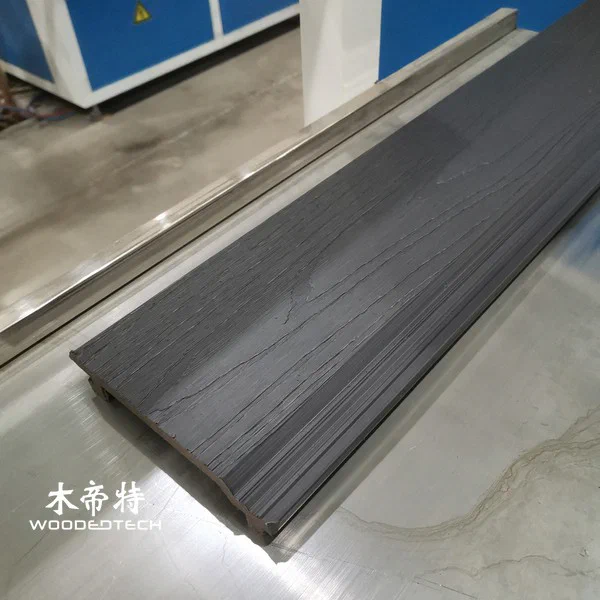
WPC panel is a wood-plastic composite panel made from a blend of wood fiber, plastic, and functional additives. It is used in building, interior decoration, furniture, wall cladding, and commercial projects where durability, moisture resistance, and stable performance matter.
What Is WPC Panel?
WPC stands for wood-plastic composite. A WPC panel combines natural wood flour or fiber with thermoplastic materials such as PVC, PE, or PP, along with stabilizers, colorants, and processing aids. The result is a panel material that keeps the look and workability of wood while improving resistance to water, insects, and decay.
For industrial and B2B buyers, WPC panels are valued because they solve many problems found in traditional wood products. They are less likely to warp, crack, or swell in humid environments, and they can be produced in a wide range of finishes, thicknesses, and surface textures. This makes them suitable for both functional and decorative applications.
How WPC Panel Is Made
The manufacturing process starts with raw material preparation. Wood powder or fiber is dried and mixed with plastic resin and additives. The blend is then heated and formed through extrusion or molding into the required panel shape.
Common production steps include:
- Raw material mixing
- Heating and plasticizing
- Extrusion or compression molding
- Cooling and calibration
- Surface treatment or lamination
- Cutting and finishing
The exact formulation changes based on the application. Outdoor panels usually contain more weather-resistant additives, while indoor decorative panels may focus on appearance, surface texture, and fire performance.

Main Properties of WPC Panel
WPC panels are designed to deliver a balance of performance and appearance. Their biggest advantage is that they retain the visual appeal of wood while overcoming several weaknesses of natural timber.
Key properties include:
- Moisture resistance
- Rot and termite resistance
- Dimensional stability
- Low maintenance requirements
- Good surface finish options
- Ease of cutting, drilling, and installation
- Long service life in demanding environments
Because the material contains plastic, WPC panel is generally more stable than solid wood in areas with humidity changes. That makes it suitable for kitchens, bathrooms, balconies, commercial interiors, and semi-outdoor spaces.
Types of WPC Panel
WPC panel is not a single product category. It comes in several forms depending on use case and construction method.
Decorative wall panels
These panels are mainly used for interiors, feature walls, offices, hotels, retail spaces, and public buildings. They may have wood grain, matte, embossed, or modern architectural finishes.
Fluted and grooved panels
These are used when designers want a textured visual effect. They are popular in commercial interiors and premium residential projects.
Outdoor cladding panels
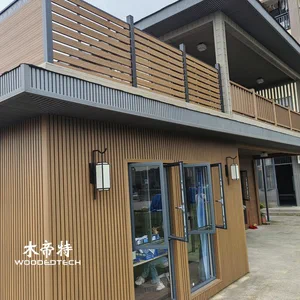
Outdoor WPC panels are engineered for UV exposure, rain, and temperature changes. They are commonly used on façades, terraces, and garden structures.
Solid and hollow panels
Solid WPC panels are denser and stronger, while hollow panels are lighter and easier to handle. The right choice depends on load, installation method, and budget.
Fire-rated panels
Some projects require fire performance compliance. Fire-retardant WPC panels are developed for public buildings, hospitality, and commercial spaces with stricter safety standards.
Where WPC Panel Is Used
WPC panel has broad application potential across construction and furnishing sectors. Buyers often choose it when they need a material that is practical, attractive, and easier to maintain than wood.
Typical applications include:
- Interior wall decoration
- Ceiling systems
- Office partitions
- Hotel and hospitality fit-outs
- Retail and showroom interiors
- Kitchen and bathroom wall surfaces
- Exterior façades and cladding
- Balcony and corridor finishing
- Furniture backing and decorative surfaces
In many projects, WPC panel is selected for areas with frequent cleaning, humidity, or long service expectations. It is also useful in large-scale procurement because it supports consistent quality across batch production.
Advantages for B2B Buyers
For distributors, contractors, and project developers, WPC panel offers several commercial advantages.
First, it reduces maintenance needs. Compared with natural wood, it does not require frequent painting, sealing, or anti-rot treatment. That lowers lifecycle cost for commercial facilities.
Second, it supports faster project execution. Panels are usually easy to cut and install with standard tools, which helps reduce labor time on site.
Third, it improves supply consistency. Unlike some natural materials, WPC panel can be manufactured to uniform size, color, and surface finish, which is important for large orders and chain projects.
Fourth, it offers design flexibility. Buyers can request different profiles, patterns, colors, and performance grades to match project specifications.
Finally, it helps position products in sustainability-focused markets. Many WPC formulations include recycled materials, which can support environmental goals depending on the product line and local standards.
Limitations to Consider
WPC panel is a practical material, but it is not the best choice for every application. Buyers should evaluate its limits before purchasing.
Important considerations include:
- Lower structural strength than some engineered wood or metal systems
- Possible thermal expansion if not installed correctly
- Quality differences between manufacturers
- Surface wear in high-abrasion environments
- UV resistance that varies by formula and coating
These factors matter especially in outdoor or high-traffic projects. Product specification, installation method, and quality control all affect final performance.
How to Choose the Right WPC Panel
Choosing the right WPC panel starts with the application. Indoor decorative panels do not need the same weather resistance as exterior cladding. Buyers should define the use environment first, then review technical data.
Key selection points include:
- Material composition and density
- Thickness and dimensions
- Surface finish and color stability
- Fire performance requirements
- Moisture and UV resistance
- Installation system and accessories
- Certification and testing reports
- Supplier capacity and delivery consistency
For project purchasing, it is also important to ask for samples and verify color matching before placing bulk orders. This reduces the risk of variation between production batches.
WPC Panel vs Traditional Wood Panel
Many buyers compare WPC panel with wood-based panels before making a procurement decision. The two materials serve different needs.
Traditional wood panel offers a natural feel and can be preferred for premium craftsmanship. However, it usually needs more care and is more vulnerable to moisture, insects, and dimensional movement.
WPC panel is better suited to environments where durability and low maintenance are priorities. It is often chosen for commercial projects, rental properties, public spaces, and areas exposed to humidity.
The decision usually depends on project goals:
- Choose wood when natural texture and traditional finishing are the top priority
- Choose WPC when stability, moisture resistance, and lower upkeep matter more
Installation and Maintenance
WPC panel is generally straightforward to install, but correct handling is important. Panels should be stored flat, protected from direct sunlight and moisture before installation, and acclimated if required by the supplier.
Basic maintenance is simple:
- Clean with a soft cloth or mild detergent
- Avoid harsh solvents unless approved by the manufacturer
- Inspect exterior joints and fasteners periodically
- Follow expansion gap guidelines during installation
Proper installation extends service life and helps preserve appearance, especially in exterior or semi-exterior projects.
Conclusion
WPC panel is a versatile composite material that combines the appearance of wood with the performance benefits of plastic. For industrial buyers and B2B projects, it offers a reliable option for wall cladding, decorative surfaces, ceilings, and exterior applications where durability and low maintenance are important.
With the right specification and supplier, WPC panel can deliver strong value across commercial and construction markets.
FAQ
Q: What does WPC panel stand for? A: WPC panel stands for wood-plastic composite panel, a material made from wood fiber and plastic resin.
Q: Is WPC panel waterproof? A: WPC panel is moisture-resistant and performs well in humid areas, but installation quality and product grade still matter.
Q: Can WPC panel be used outdoors? A: Yes, outdoor-grade WPC panels are designed for exterior cladding and other weather-exposed applications.
Q: Is WPC panel better than plywood? A: It depends on the use case. WPC panel is usually better for moisture resistance and low maintenance, while plywood may be preferred for some structural or finishing needs.
Q: How long does WPC panel last? A: Service life depends on material quality, installation, and exposure conditions, but a well-made WPC panel can last for many years.
Related Articles
Related Products
 B7112 WPC Panel Design Exterior Boards Offer Stocked Fence Strips for Outdoor Decoration and Edge Finishing
 F6040 Four Sides Flat Exterior WPC Profile Provides Versatile Solutions for Various Outdoor Decorative Uses
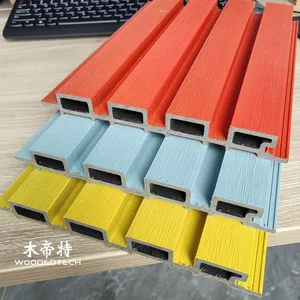 Trendy Custom Color wpc composite cladding GQ22725 | Versatile Outdoor Wall Solutions