
What is WPC in Flooring? Benefits, Materials & Complete Guide
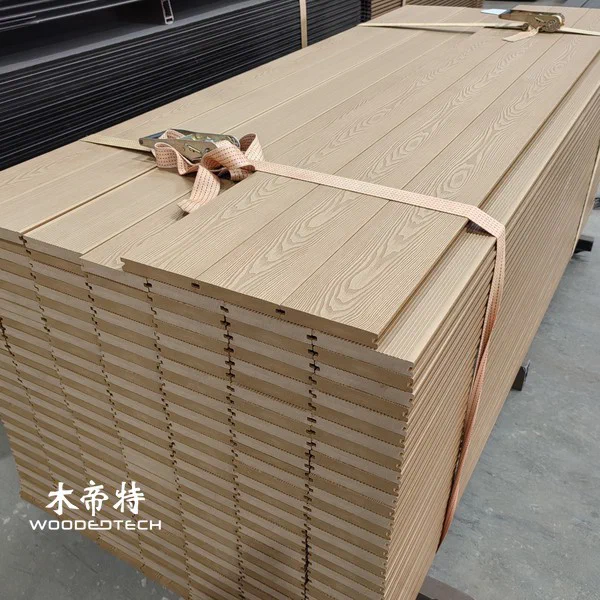
WPC in flooring refers to wood plastic composite flooring, a material made from wood fibers, polymers, and performance additives. It is widely used in commercial and industrial projects because it combines the look of wood with better resistance to moisture, wear, and daily maintenance demands.
What WPC Flooring Is Made Of
A typical WPC flooring core blends recycled wood powder with thermoplastics such as PVC or PE, plus stabilizers, colorants, and coupling agents. The result is a stable, engineered product that can be produced in rigid boards or tiles, depending on the application and installation method. For B2B buyers, the main value is consistency: each batch is manufactured to deliver predictable thickness, density, and surface performance.
Key Benefits for Commercial Projects
WPC flooring is popular in hospitality, retail, offices, and light industrial spaces because it offers a practical balance of appearance and function. It is easier to install than many traditional materials and can reduce lifecycle costs.

- Moisture resistance for areas exposed to spills or humidity
- Better dimensional stability than natural wood in many environments
- Low maintenance with simple cleaning routines
- Broad design options, including wood-look finishes and embossed textures
- Comfortable underfoot compared with harder stone or tile surfaces
For project developers and distributors, these benefits often translate into faster turnaround, lower service complaints, and stronger product positioning in competitive markets.
Common Material and Performance Factors
Not all WPC flooring is the same. Buyers should compare core density, surface layer quality, locking system strength, slip resistance, and UV stability before placing bulk orders. In export and wholesale sourcing, it is also important to confirm whether the product is designed for indoor use, outdoor use, or both, since installation conditions affect performance and warranty expectations.
Supplier transparency matters as well. Request technical data on abrasion resistance, water absorption, fire rating where relevant, and installation guidance. A reliable manufacturer should be able to support OEM requirements, custom sizing, and private label packaging for different markets.
Choosing the Right WPC Flooring Supplier
When sourcing WPC flooring at scale, focus on manufacturing consistency, quality control, and after-sales support. Ask for samples, inspect color uniformity, and verify how the flooring performs under temperature changes and heavy traffic. For overseas buyers, stable supply capacity and export experience are just as important as product aesthetics.
FAQ
Q: Is WPC flooring waterproof? A: WPC flooring is highly moisture resistant, but the exact level of water protection depends on the product structure and installation quality. It is a strong choice for areas with occasional spills or humidity.
Q: Where is WPC flooring commonly used? A: It is used in commercial interiors, residential projects, retail spaces, and some outdoor applications. Buyers often choose it for its wood-like look and easier maintenance.
Q: What should B2B buyers check before ordering? A: Review density, surface wear layer, locking system, and supplier testing data. Always confirm the flooring is suitable for the target market and intended use.
Related Articles
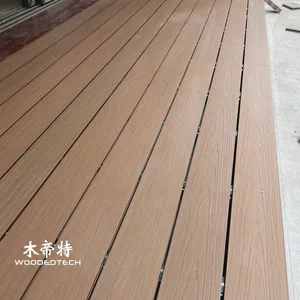
Related Products
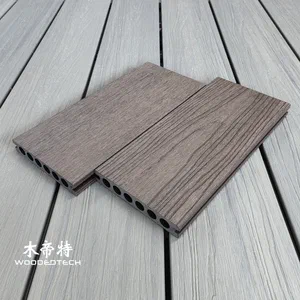 3DGD13823 Second Generation 3D Embossed Rosewood Composite Balcony Decking Delivers Ultra Realistic Wood Grain Texture and a Premium Natural Wood Experience
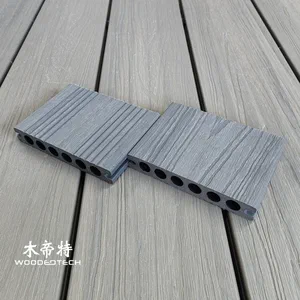 GD13823-3 Light Grey Premium Co Extrusion WPC Composite Decking Offers LG Texture and Excellent UV Resistance for Outdoor Spaces
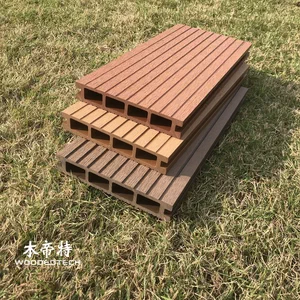 D14025-3 Square Hole Double Sided Grooved WPC Board Factory Producing Outdoor Decking Boards With Good Slip Resistance