What Is Wpc Fluted Panel
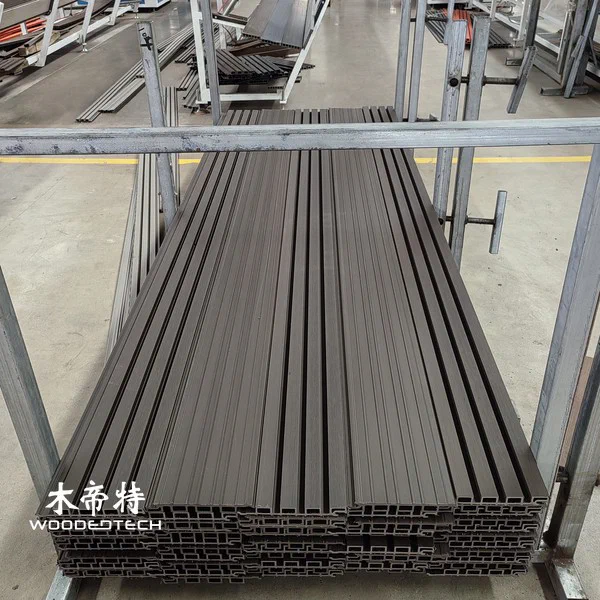
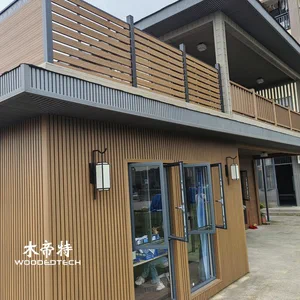
Wpc fluted panel is a decorative wall and ceiling cladding material made from wood-plastic composite, designed with vertical grooves or ribs for a refined linear look. It combines the appearance benefits of wood with the durability and low-maintenance advantages of composite materials, making it a practical choice for commercial and industrial interiors.
What Is a Wpc Fluted Panel?
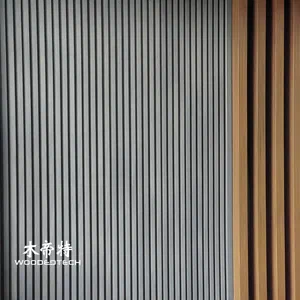
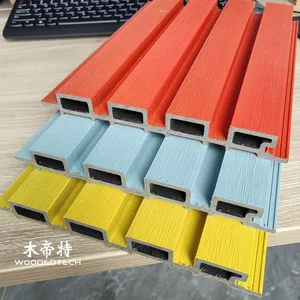
A Wpc fluted panel is a wall panel manufactured from a blend of wood fiber or wood powder, thermoplastic polymers, and performance additives. The “fluted” part refers to the repeated grooves on the panel surface, which create depth, texture, and a modern architectural effect.
Unlike natural wood panels, wpc fluted panels are engineered for stability and consistency. They are commonly used in interior wall decoration, feature walls, reception areas, retail spaces, offices, hotels, and other commercial environments where visual impact and durability matter.
For B2B buyers, the main appeal is straightforward: the panel delivers a premium look with easier installation and lower maintenance than many traditional materials.
How Wpc Fluted Panels Are Made
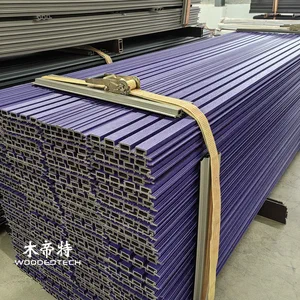
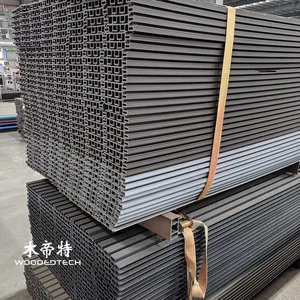
Most wpc fluted panels are produced through extrusion. The raw materials are mixed, heated, and formed under pressure into a continuous profile with a fluted surface. After cooling, the panel may be finished with a laminated film, wood grain texture, or protective coating depending on the product line.

- Wood powder or fibers
- PVC, PE, or other polymer resins
- Stabilizers
- Colorants
- UV and fire-retardant additives
This manufacturing method helps achieve consistent dimensions, repeatable appearance, and reliable batch-to-batch performance, which is important for projects requiring large volumes.
Key Features and Benefits
Wpc fluted panels are specified for more than appearance. They offer a mix of functional and commercial advantages that make them attractive for project procurement.
1. Decorative linear design
The fluted profile adds depth and shadow lines, helping create a high-end architectural finish. It works well in contemporary commercial spaces where plain flat walls may look too basic.
2. Moisture resistance
Compared with natural wood, wpc is far more resistant to moisture absorption. This makes it suitable for indoor areas exposed to humidity, such as lobbies, corridors, washroom-adjacent zones, and retail interiors.
3. Low maintenance
Wpc fluted panels do not require regular painting, polishing, or sealing like solid wood. Routine cleaning is usually enough to keep the surface presentable.
4. Good dimensional stability
Because the material is engineered, it is less likely to warp, crack, or split under normal indoor conditions. This stability is valuable for large installations where uniformity matters.
5. Faster installation
Many systems are designed for direct fixing, adhesive mounting, or use with concealed clips. This can reduce installation time and labor costs on commercial projects.
6. Versatile finishing options
Panels are available in a wide range of colors, wood tones, and surface textures. Buyers can match them to brand identity, interior design themes, or project specifications.
Common Applications in B2B Projects
Wpc fluted panels are used across a broad range of commercial and institutional interiors. Their role is usually decorative, but they also help improve the perceived quality of a space.
Common applications include:
- Office feature walls
- Hotel lobby and corridor cladding
- Retail store interiors
- Showrooms and exhibition spaces
- Restaurant and café interiors
- Corporate reception areas
- Residential development common areas
- Elevator surrounds and accent zones
In many projects, these panels are selected to create a consistent branded environment without using expensive natural materials.
Wpc Fluted Panel vs Wood Panel
Many buyers compare wpc fluted panel with natural wood paneling before placing orders. The differences are important.
Natural wood offers authentic grain and a traditional premium feel, but it comes with higher maintenance, greater susceptibility to moisture, and more variation between pieces.
Wpc fluted panels, by contrast, are designed for:
- Better moisture resistance
- More stable dimensions
- Easier cleaning
- Lower long-term maintenance
- More consistent appearance across batches
For commercial projects, those practical advantages often outweigh the appeal of natural wood, especially when the installation area is large or the environment is humid.
Wpc Fluted Panel vs MDF Fluted Panel
Another common comparison is with MDF fluted panel. MDF can provide a similar grooved look and is often cost-effective, but it is more sensitive to moisture and may not be as durable in demanding interiors.
Wpc fluted panels generally perform better when:
- Humidity is a concern
- Maintenance access is limited
- Long service life is a priority
- The project requires better resistance to wear
MDF may still be suitable for dry, controlled indoor environments, but wpc is often the safer choice for higher-traffic commercial spaces.
What Buyers Should Check Before Ordering
For industrial and trade buyers, product selection should go beyond appearance. A good purchasing decision depends on technical details and project requirements.
Key points to confirm include:
- Panel size and thickness
- Groove profile and spacing
- Surface finish and color consistency
- Fire rating requirements
- Moisture and weather resistance claims
- Installation method
- Core material composition
- Packaging for export and long-distance shipping
If the panels will be used in a project with strict compliance rules, ask for test reports or product certificates before confirming the order.
Installation Considerations
Installation requirements depend on the specific panel system, but most wpc fluted panels are designed for straightforward on-site work. They are often installed on flat substrates such as plywood, drywall, or prepared masonry surfaces.
A successful installation usually depends on:
- Accurate surface leveling
- Proper adhesive or fastening selection
- Expansion allowance where needed
- Clean cutting and joint alignment
- Attention to edge finishing and corner details
For large commercial jobs, buyers should confirm whether accessories such as trims, end caps, and matching corner pieces are available. These details can affect the final appearance and installation efficiency.
Why Wpc Fluted Panel Is Popular in Commercial Design
Wpc fluted panel is popular because it solves a common design challenge: how to create a premium visual effect without introducing excessive maintenance or material risk. Designers like the texture and rhythm of the fluted surface, while project managers value consistency and practicality.
It also supports current interior trends, including:
- Warm wood-look finishes
- Minimalist linear surfaces
- Biophilic-inspired design elements
- High-end feature walls with material contrast
For suppliers and importers, this makes the product attractive across multiple market segments, from office fit-outs to hospitality projects.
Choosing the Right Supplier
For B2B buyers, supplier reliability matters as much as product appearance. A strong supplier should be able to provide stable quality, clear specifications, and export-ready packaging.
Before placing a bulk order, check whether the supplier can support:
- OEM or custom branding
- Large-volume production
- Consistent color matching
- Sample approval before mass production
- Professional export packing
- Timely delivery schedules
Requesting samples and confirming technical details early can reduce project delays and avoid mismatches on site.
FAQ
Q: What is a wpc fluted panel used for? A: It is mainly used for decorative wall and ceiling cladding in commercial, hospitality, retail, and residential projects.
Q: Is wpc fluted panel waterproof? A: It is moisture resistant and performs better than wood or MDF in humid areas, but exact performance depends on the product structure and installation.
Q: Can wpc fluted panel be used outdoors? A: Some products are designed for exterior use, but not all wpc fluted panels are suitable outdoors. Always confirm the intended application with the supplier.
Q: Is wpc fluted panel easy to install? A: Yes, most systems are designed for relatively simple installation with adhesive, clips, or fastening systems, depending on the project.
Q: What makes wpc fluted panel better than wood? A: It offers lower maintenance, better moisture resistance, and more stable performance while keeping a wood-like appearance.