
What Is WPC Flooring Made Of? Complete Material Guide
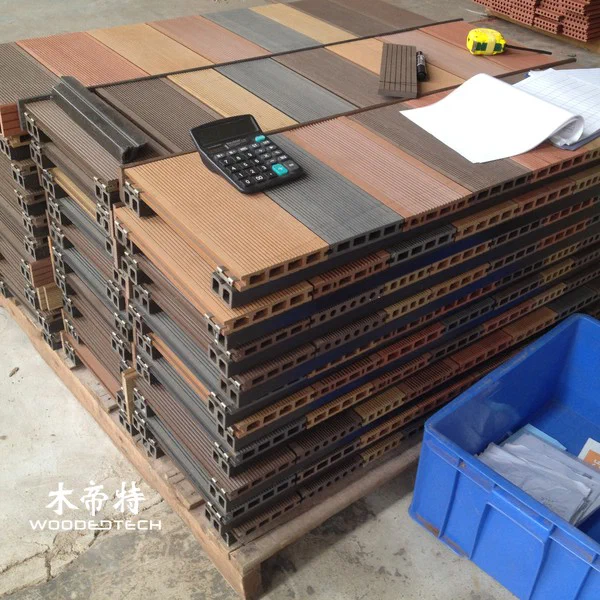
WPC flooring is made from a blend of wood fiber, thermoplastic polymer, and performance additives that work together to create a durable, stable, and low-maintenance flooring material. For B2B buyers, it offers a practical alternative to natural wood when projects demand consistent quality, moisture resistance, and reliable supply.
What WPC Flooring Is Made Of
The core formula usually combines wood powder or bamboo fiber with PVC, PE, or PP resin, then adds stabilizers, colorants, lubricants, and UV-resistant agents. This mix gives the floor a wood-like appearance while improving resistance to water, warping, and termite damage. Depending on the product grade, the surface may be embossed, brushed, or capped for better wear performance.

Because the material is engineered rather than cut from timber, WPC flooring supports uniform thickness, predictable installation, and easier batch control for wholesalers and project contractors. It is especially suitable for buyers looking for recycled content options and products that align with sustainable composite building products sourcing requirements.
Key Features and Buyer Benefits
WPC flooring is valued for its balance of appearance and performance. Compared with traditional wood flooring, it handles humidity and outdoor exposure better, which reduces maintenance complaints after installation.
- Moisture-resistant structure for wet or semi-outdoor areas
- Stable dimensions with reduced expansion and contraction
- Slip-resistant surface options for safer use
- UV-resistant finishes for color retention
- Low maintenance, no painting or sealing required
- Available in multiple textures, colors, and profiles for OEM projects
These features make it attractive for distributors, builders, and importers serving residential, commercial, and hospitality markets.
Main Specifications
Typical WPC flooring specifications vary by supplier, but common export-ready options include:
- Material: wood fiber, plastic resin, additives
- Surface: wood grain, embossed, grooved, or capped
- Thickness: commonly 8 mm to 20 mm
- Width: standard planks or tiles based on project needs
- Installation: click-lock, interlocking, or floating systems
- Finish: matte, textured, or anti-slip
- Application: indoor, outdoor, and semi-outdoor flooring
Buyers should confirm density, load performance, fire rating, and color-fastness before bulk procurement, especially for commercial projects and private label supply.
Typical Applications
WPC flooring is widely used in balconies, patios, poolside zones, terraces, garden walkways, and indoor commercial spaces where wood-like style and easy care are important. It is also suitable for hotel corridors, retail flooring, and prefab project packages that require consistent visual standards across large orders.
FAQ
Q: Is WPC flooring fully waterproof? A: WPC flooring is highly water-resistant and performs well in damp environments, but product structure and installation details still matter. Always check whether the chosen model is rated for full outdoor or wet-area use.
Q: Can WPC flooring be customized for OEM orders? A: Yes, many suppliers offer custom colors, surface textures, sizes, and packaging for export buyers. This makes it a practical option for private label and project-based purchasing.
Q: What should buyers check before ordering in bulk? A: Confirm material ratio, thickness, surface finish, UV resistance, and installation method. These details affect product performance, pricing, and market suitability.
Related Articles
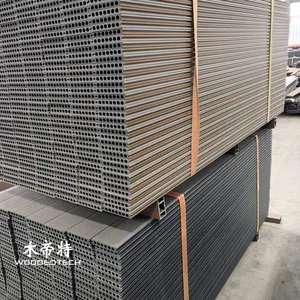
Related Products
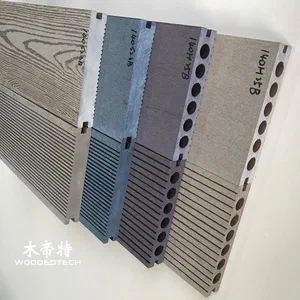
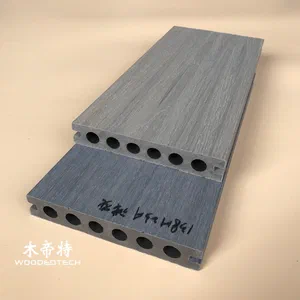 GD13823 Composite Decking Material Features Six Small Round Holes to Reduce Weight While Maintaining Structural Strength
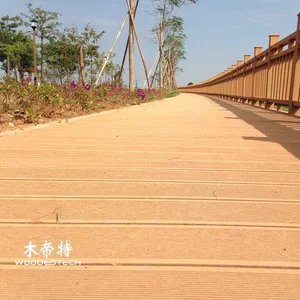
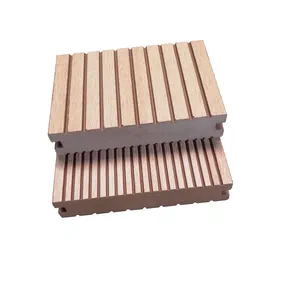 D13740S 40mm Thick Solid Composite Decking Material for Durable Outdoor Flooring Applications
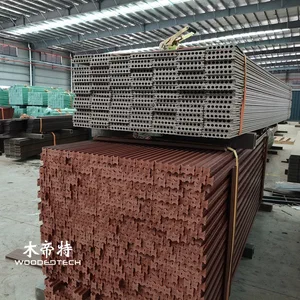
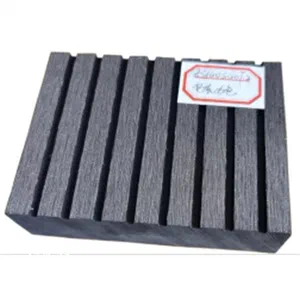 D14040-3S 40mm Thick Square Solid Plastic Wood Composite Flooring Without Side Grooves