
What Is Wpc Boards
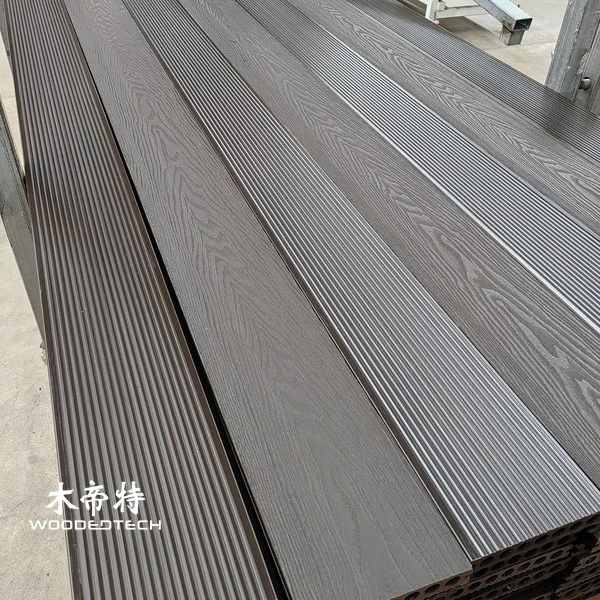
WPC boards are wood-plastic composite panels made from a blend of wood fibers, thermoplastics, and performance additives. They are used in construction, furniture, interiors, and outdoor applications where buyers want a material that combines the look of wood with better moisture resistance and lower maintenance.
What Are WPC Boards?
WPC stands for Wood Plastic Composite. A WPC board is an engineered panel produced by combining wood flour or fibers with plastic polymers such as PVC, PE, or PP, along with stabilizers, lubricants, and colorants. The result is a material that can be shaped like wood, but performs differently in demanding environments.
For industrial and commercial buyers, WPC boards are valued because they offer a practical balance between appearance, durability, and cost control. They are often chosen for applications where natural wood is vulnerable to swelling, cracking, rot, or termites.
How WPC Boards Are Made
The production process typically begins with raw material preparation. Wood fibers are dried and mixed with thermoplastic resin and additives in controlled proportions. This compound is then heated and formed through extrusion or compression molding into boards of different thicknesses, sizes, and surface finishes.
Depending on the application, manufacturers may produce:
- Solid WPC boards
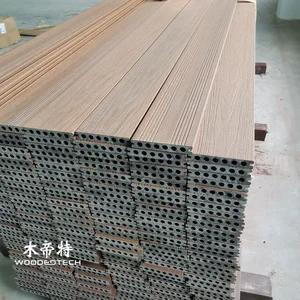
- Hollow WPC boards
- Co-extruded WPC boards
- Laminated or textured WPC panels
The formulation and process settings affect density, strength, finish quality, and weather resistance. That is why product consistency and supplier control matter so much in B2B purchasing.
Main Features of WPC Boards
WPC boards are widely adopted because they solve several common problems associated with traditional wood products.

- Moisture resistance: suitable for humid environments and wet areas
- Dimensional stability: less prone to warping, swelling, or splitting
- Termite and rot resistance: no natural cellulose exposure like solid wood
- Low maintenance: no need for frequent painting, sealing, or polishing
- Design flexibility: can be cut, drilled, embossed, laminated, or machined
- Recycled content options: some formulations support sustainability goals
These features make WPC boards useful in commercial projects where long service life and predictable performance are priorities.
Common Applications
WPC boards are used across several industries, especially in interior finishing, furniture manufacturing, and building materials.
Typical applications include:
- Wall cladding and decorative panels
- Ceiling systems
- Partition boards
- Bathroom and kitchen cabinets
- Office furniture components
- Door frames and door skins
- Outdoor decking and facade systems
- Retail and exhibition fixtures
In export markets, WPC boards are often specified for projects that need a wood-like appearance without the higher upkeep associated with timber.
Advantages for B2B Buyers
For wholesalers, distributors, contractors, and project specifiers, WPC boards offer more than material convenience. They can improve project economics and reduce downstream service issues.
1. Lower lifetime maintenance
WPC products generally require less upkeep than natural wood. This reduces repainting, sealing, and replacement frequency.
2. Better moisture performance
Because of their composite structure, WPC boards are often better suited for kitchens, bathrooms, basements, and exterior-use environments.
3. Stable supply and uniform quality
Unlike some natural wood products, WPC boards can be manufactured to consistent dimensions, color, and density, which helps with large-scale procurement.
4. Broad customization
Buyers can often specify thickness, surface texture, color, embossing pattern, and performance grade according to project needs.
5. Improved installation efficiency
Many WPC boards are designed for straightforward cutting and installation, which can shorten project timelines.
WPC Boards vs Traditional Wood
WPC boards are not a direct replacement for every wood application, but they solve specific pain points well.
Compared with solid wood, WPC boards usually offer:
- Better moisture resistance
- Lower risk of insect damage
- More uniform surface quality
- Less cracking and splitting
- Reduced maintenance requirements
Compared with MDF or particle board, WPC boards are often better suited to humid or semi-exposed conditions. They may cost more than basic engineered wood panels, but the longer service life can justify the difference in commercial use.
That said, WPC boards are not always the right choice for load-bearing structural applications. Buyers should match the material grade to the intended use, especially for outdoor or high-stress installations.
What to Check Before Buying
Because WPC board quality varies by formulation and manufacturing method, buyers should evaluate suppliers carefully.
Important purchasing factors include:
- Material composition and resin type
- Density and thickness tolerance
- Surface finish and color consistency
- Water absorption and weather resistance
- Fire performance, if required by the project
- UV stability for outdoor use
- Certifications and test reports
- Packaging quality for export shipping
For industrial procurement, product samples and third-party test data are useful tools for comparing suppliers. If the boards will be used in a regulated market, confirm compliance with local building and safety standards before placing bulk orders.
Typical Processing and Installation Notes
WPC boards are generally easy to fabricate, but they still require the right handling to achieve good results. They can be sawn, routed, drilled, and fastened using conventional woodworking tools, though tool wear and feed speed may differ from natural wood.
Installers should also account for:
- Expansion and contraction allowances
- Proper support spacing
- Correct fastener selection
- Storage in dry, flat conditions before use
- Manufacturer guidance for sealing or edge treatment
Following these basics helps reduce visible defects and improves final performance, especially in large commercial installations.
Sustainability Considerations
Many buyers look at WPC boards as a more resource-efficient option than solid timber. Depending on the formula, WPC products may incorporate recycled plastics and wood by-products, which can help reduce waste streams.
Still, sustainability claims vary widely across suppliers. For procurement teams, the key is to ask for clear information on recycled content, source traceability, and recyclability at end of life. Responsible sourcing should be part of the purchasing review, not just a marketing claim.
Choosing the Right WPC Board Supplier
A reliable supplier should be able to explain the board structure, raw materials, production method, and test results in clear technical terms. In international trade, this is especially important because product naming is not always standardized across regions.
Look for a supplier that can provide:
- Technical datasheets
- Application guidance
- Sample boards
- Export packaging details
- Stable lead times
- After-sales support
If you are sourcing for a project or resale channel, ask whether the supplier can customize board specifications to match your target market.
FAQ
Q: What does WPC mean in boards? A: WPC means Wood Plastic Composite, a material made from wood fibers and plastic resin.
Q: Are WPC boards waterproof? A: WPC boards are highly moisture-resistant, but performance depends on the formulation and product grade. They are better described as water-resistant than fully waterproof in every use case.
Q: Can WPC boards be used outdoors? A: Yes, many WPC boards are designed for outdoor use, especially decking, cladding, and facade applications. UV stability and weather resistance should be checked before purchase.
Q: Are WPC boards stronger than wood? A: Strength depends on the product type and application. WPC boards often perform better in moisture and pest resistance, while natural wood may offer higher structural strength in some uses.
Q: Do WPC boards need painting? A: Usually not. Most WPC boards are finished during manufacturing and require much less surface maintenance than natural wood.
Related Articles
Related Products
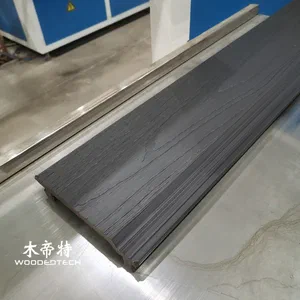
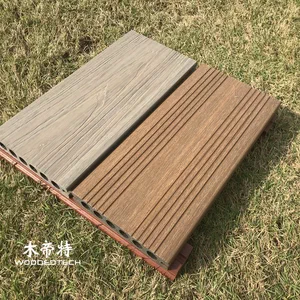 GD13823-3 Second Generation Co Extruded Wood Plastic Composites With High Quality Stable Performance For Premium Outdoor Applications
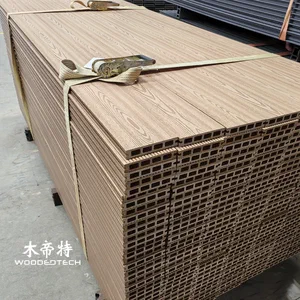
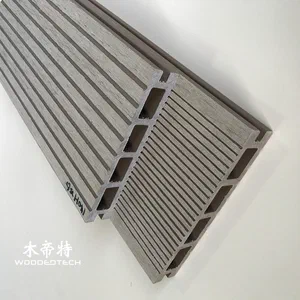 D14025-3 Composite Lumber for Decks Features a Classic Double Sided Groove Design with Excellent Value for Outdoor Projects
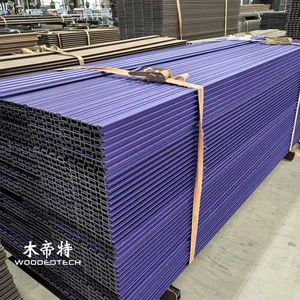
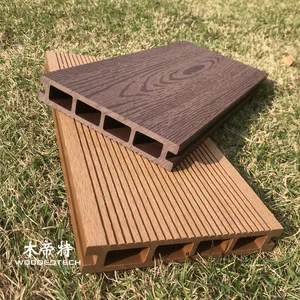 D14025-4 Composite for Decking Provides Stable Performance and Reliable Quality as a Popular Choice for Outdoor Projects