
What Is WPC? A Comprehensive Guide to Materials, Applications, and Benefits
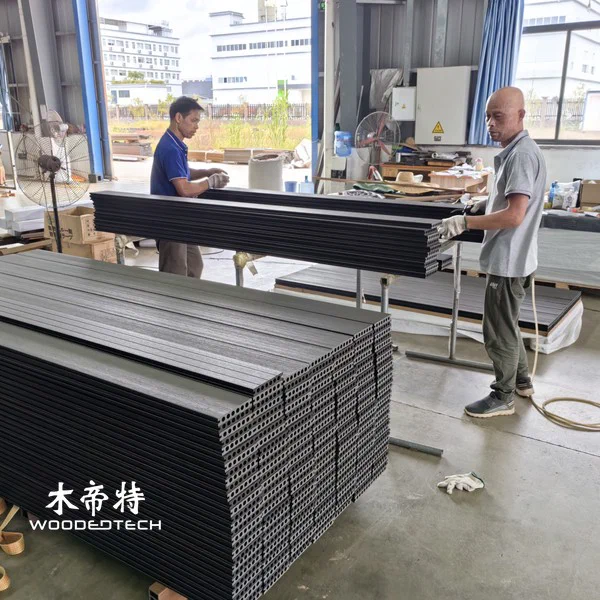
WPC, short for wood plastic composite, is a versatile engineered material made by combining wood fibers or wood flour with thermoplastic polymers and selected additives. It brings together the natural appearance of wood and the processing advantages of plastic, making it a practical choice for outdoor decking, wall cladding, fencing, pergolas, and other building products. With the right formulation and manufacturing process, WPC offers a balance of durability, appearance, and low maintenance for residential and commercial projects.
1. What Is WPC Made Of?
WPC is generally produced using three main groups of raw materials: wood components, plastic polymers, and functional additives. Each plays a different role in the finished product.
- Wood fiber or wood flour: Provides a natural wood-like appearance and texture. It also contributes to the material’s stiffness and structure.
- Thermoplastic polymers: Common choices include polyethylene (PE), polypropylene (PP), and polyvinyl chloride (PVC). They bind the wood particles together and help improve moisture resistance.
- Additives: Coupling agents, lubricants, colorants, UV stabilizers, antioxidants, and other processing aids help improve compatibility, processing performance, color stability, and product durability.
The proportions depend on the intended application and required performance. For example, outdoor WPC decking needs a formulation that can handle changing temperatures, sunlight, moisture, and regular foot traffic. Wall panels and decorative profiles may require different priorities, such as dimensional stability, surface appearance, and installation convenience.
As a manufacturer in Guangdong, China, with more than 10 years of experience in outdoor WPC production, we understand that good composite material starts with the right raw material selection. A higher wood content does not automatically mean better quality, just as adding more plastic does not guarantee better performance. The formulation must be developed around the product’s actual working conditions.
2. How Is WPC Manufactured?
The manufacturing process has a direct influence on the consistency, strength, and appearance of WPC products. Although production details vary between factories and product types, most extrusion-based WPC manufacturing follows several key stages.
First, wood materials and polymers are prepared according to the formulation. Moisture control is particularly important because excessive moisture in wood flour can lead to surface defects, unstable extrusion, and inconsistent product quality.
Next, the raw materials are mixed with additives to achieve a uniform compound. Depending on the production system, the material may undergo a separate compounding stage before entering the extrusion line.
During extrusion, the heated composite mixture passes through a specially designed die that forms the required profile. Temperature, pressure, screw configuration, and production speed must be carefully controlled. Small adjustments can affect density, surface quality, and dimensional accuracy.
After extrusion, the product is cooled, calibrated, cut to the specified length, and inspected. Some products receive additional surface treatments, such as sanding, brushing, embossing, or co-extrusion.

At our factory, we consider extrusion control one of the most important parts of production know-how. A product may look attractive when it leaves the production line, but its long-term performance depends on material formulation, process stability, and quality control working together.
3. Main Applications of WPC
WPC has developed beyond basic decking boards. Today, it is used in a wide range of outdoor construction and landscaping applications.
- WPC decking: Suitable for gardens, balconies, patios, pool surroundings, terraces, and commercial outdoor spaces.
- WPC wall cladding: Used for exterior decorative walls, building facades, and outdoor feature walls.
- WPC fencing: Provides privacy and boundary solutions for residential gardens, commercial properties, and public spaces.
- WPC pergolas and gazebos: Used in outdoor leisure areas where a wood-like appearance and reduced routine maintenance are desirable.
- WPC louvers and decorative screens: Suitable for facade shading, ventilation features, privacy partitions, and architectural decoration.
- WPC outdoor furniture: Used for benches, seating, planters, and landscaping accessories.
Different applications require different product designs. Decking needs suitable load-bearing capacity and slip resistance, while wall cladding requires appropriate fixing systems and allowance for thermal movement. Fencing needs sufficient structural support, particularly in areas exposed to strong winds.
This is why selecting WPC should never be based on appearance alone. The product structure, installation method, environmental conditions, and intended use all need to be considered.
4. Key Benefits of WPC Materials
One of the main advantages of WPC is its resistance to common outdoor problems associated with traditional timber. Unlike untreated wood, properly formulated WPC is less susceptible to moisture absorption, rot, and insect damage. It also does not require regular painting or staining to maintain its basic appearance.
Another advantage is its design flexibility. Through extrusion and surface treatment technologies, manufacturers can produce different colors, dimensions, textures, and profile structures. Embossed wood-grain finishes, for example, create a more natural appearance without relying on natural timber.
WPC also supports more efficient material utilization. Many formulations incorporate recycled plastics and recovered wood materials, helping reduce dependence on virgin resources. However, the actual environmental benefits depend on the raw materials, production efficiency, product lifespan, and end-of-life recycling arrangements.
It is important to understand that WPC is not completely maintenance-free or immune to environmental conditions. Temperature changes can cause expansion and contraction, and prolonged exposure to sunlight may affect color over time. Proper installation, suitable ventilation, drainage, and adequate expansion gaps are essential for long-term performance.
5. What Determines WPC Product Quality?
From a manufacturer’s perspective, quality is not determined by one specification or a single production test. It is the result of consistent control throughout the manufacturing process.
Raw material inspection is the first step. Wood particle size, moisture content, polymer quality, and additive consistency all influence the final composite. During production, we pay close attention to extrusion stability, product dimensions, density, surface defects, and profile structure.
Finished products should also be evaluated according to their intended application. Relevant tests may include water absorption, flexural strength, impact resistance, dimensional stability, slip resistance, and weathering performance. Testing requirements should match the target market and applicable standards rather than relying on general claims.
Surface technology deserves particular attention. Co-extrusion, for example, adds a protective polymer-based outer layer around a composite core. When properly manufactured, this structure can improve resistance to staining, moisture, and surface wear. However, bonding between the core and outer layer must be carefully controlled to avoid separation problems.
Our quality philosophy is straightforward: consistent products are more valuable than impressive samples. We focus on stable formulations, repeatable production conditions, and inspection at multiple stages rather than waiting until the finished goods are ready for shipment.
6. Choosing the Right WPC Manufacturing Partner
For importers, distributors, contractors, and building material wholesalers, choosing a reliable WPC supplier is just as important as selecting the right product.
An experienced manufacturer should be able to explain material formulations, production methods, product structures, and performance limitations clearly. Factory production capacity, extrusion equipment, quality inspection procedures, and experience with export orders are also worth evaluating.
At our Guangdong factory, we believe successful cooperation begins with understanding each customer’s market. Different countries have different climate conditions, installation practices, design preferences, and technical requirements. A product suitable for a residential garden may not be the best choice for a commercial development or a coastal project.
We work with customers on product dimensions, colors, surface finishes, packaging, and customized extrusion profiles. For OEM and wholesale projects, clear communication about drawings, samples, technical specifications, minimum order quantities, lead times, and quality expectations helps prevent misunderstandings during production.
WPC is more than an alternative to traditional wood. It is an engineered building material whose performance depends on thoughtful formulation, reliable manufacturing, and correct application. With more than a decade of outdoor WPC production experience, we believe the best results come from combining practical manufacturing knowledge with close customer cooperation. That is how we develop products that meet real project requirements and build long-term relationships with international buyers.
Related Articles
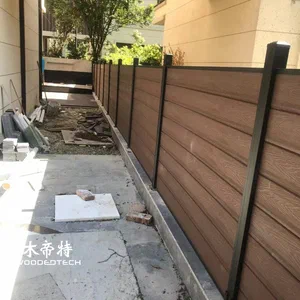 Composite Vertical Cladding for Modern Exterior Walls and Long Lasting Outdoor Building Applications
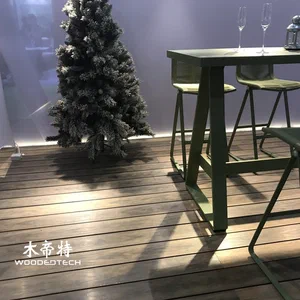 WPC Wood Flooring for Durable Outdoor Decks Patios Gardens and Landscape Applications
 Wood Plastic Deck Boards Combine Natural Appearance with Durable Outdoor Performance
 Composite Extension Solutions: Industrial Applications, Benefits, and Selection Criteria
Related Products
 GD13823-3 Composite Boards for Decking Are Available in Multiple Stock Colors with 3 Meter Lengths and Single Piece Delivery
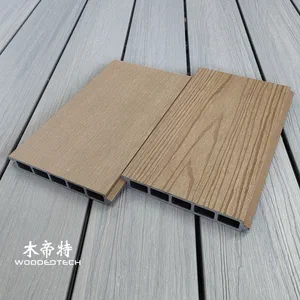 3DGL18024 WPC Longboard Fence Features Premium Co Extruded 3D Embossed Teak Wood Grain Texture with Realistic Natural Wood Fibers
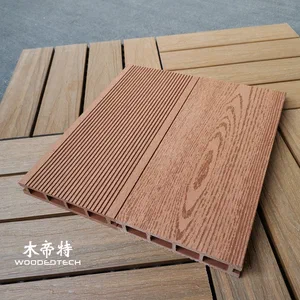 The Classic D14025-4 Red Wood WPC Wood Sheet Features a Timeless 2D Flat Wood Grain Design That Remains Popular After Twenty Years