
What is Wood Polymer Composite? Comprehensive Overview of Materials & Benefits
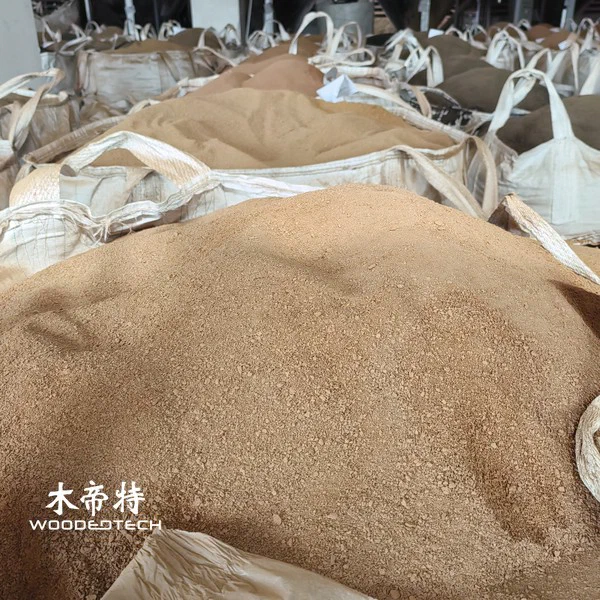
Wood polymer composite, also called WPC or wood plastic composite, is a hybrid material made by combining wood fibers with thermoplastic polymers and performance additives. It is widely used in decking, wall cladding, fencing, and outdoor structural products because it balances the look of wood with the durability of engineered plastics. For industrial buyers, it offers a practical material option where moisture resistance, stable supply, and consistent quality matter.
What Wood Polymer Composite Is Made Of
The basic formula usually includes wood flour or fiber, polyethylene, polypropylene, or PVC, plus coupling agents, UV stabilizers, pigments, and lubricants. This mix is processed through extrusion or molding to create boards, panels, and profiles with uniform dimensions and repeatable performance. Compared with natural timber, the material reduces issues such as splitting, warping, insect damage, and frequent repainting.
Why Buyers Choose It

Common benefits include:
- Low maintenance requirements
- Good moisture and weather resistance
- Dimensional stability in outdoor use
- Broad design options for color and surface texture
- Better material consistency than many natural wood products
For B2B sourcing, this consistency is especially useful. Contractors and distributors can plan installations with fewer rejects, more predictable lead times, and less variation between batches.
Main Application Areas
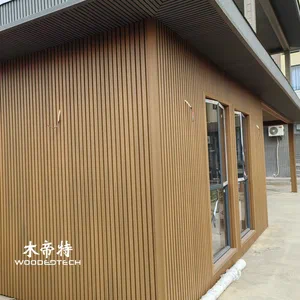
Wood polymer composite is used across a wide range of exterior and semi-exterior products. Decking remains one of the largest categories, but the material is also common in wall panels, cladding systems, privacy screens, pergolas, railings, and garden furniture. In many projects, it serves as a smarter replacement for timber where moisture exposure or maintenance concerns are high.
Its processing flexibility also helps manufacturers create different profiles for different market needs, from solid boards for heavy-duty flooring to hollow sections for lightweight decorative panels. That adaptability makes it useful for OEM production and private label product lines.
Procurement Considerations
When evaluating suppliers, buyers should look beyond price alone. Resin content, fiber ratio, extrusion quality, color stability, and surface treatment all affect final performance. It is also important to confirm testing standards, loading capacity, fire behavior where relevant, and whether the product is optimized for indoor, outdoor, or marine-adjacent environments.
For export markets, packaging, documentation, and installation guidance matter as much as the material itself. A reliable manufacturer should provide clear technical data, stable specifications, and support for bulk orders.
FAQ
Q: Is wood polymer composite waterproof? A: It is highly moisture resistant, but not every product is fully waterproof. Performance depends on the formulation, structure, and installation method.
Q: How does WPC compare with natural wood? A: WPC usually needs less maintenance and offers better resistance to rot, insects, and warping. Natural wood may still appeal where a fully organic material is preferred.
Q: Where is wood polymer composite used most? A: It is most common in outdoor decking, wall cladding, fencing, and decorative architectural profiles. These applications benefit from its durability and stable appearance.
Related Articles
Related Products
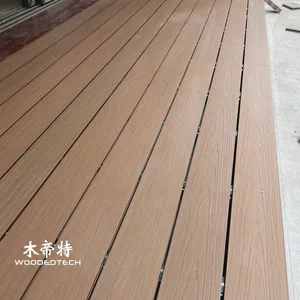
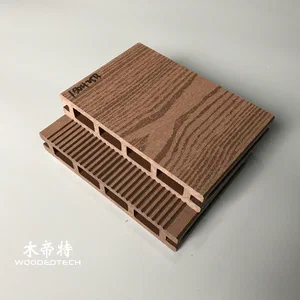 D15025-2 Classic Waterproof Insect Resistant Corrosion Resistant And Termite Resistant Composite Decking Types With Twenty Years Of Sales Experience
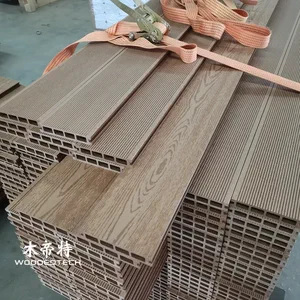
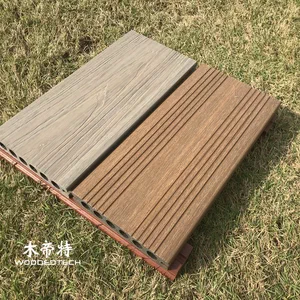 GD13823-3 Second Generation Co Extruded Wood Plastic Composites With High Quality Stable Performance For Premium Outdoor Applications
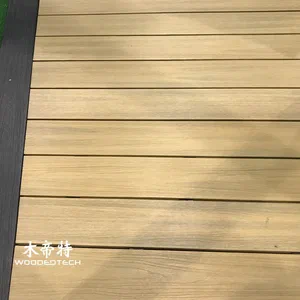
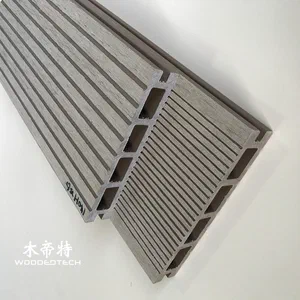 D14025-3 Composite Lumber for Decks Features a Classic Double Sided Groove Design with Excellent Value for Outdoor Projects