
What Is The Difference Between Decking Composite Vs Wood For Outdoor Use

Outdoor decking choices affect appearance, durability, maintenance, and long-term cost more than most buyers expect. When comparing decking composite vs wood for outdoor use, the real difference is not just the look of the surface, but how each material handles moisture, sun, wear, and replacement over time.
Composite and Wood in Outdoor Conditions
WPC, or wood plastic composite, is designed to resist the problems that usually shorten the life of natural wood outdoors. It does not rot, splinter easily, or need regular sealing, so it suits decks, terraces, pool edges, and other exposed spaces where moisture and temperature changes are constant.
Natural wood still has strong appeal. It offers authentic grain, can be refinished, and gives a warmer visual character that many projects value. The tradeoff is ongoing care. Timber needs periodic cleaning, staining, sealing, or oiling, and even then it can warp, fade, crack, or be attacked by insects if the species and installation are not right.
How WPC Compares with Other Exterior Materials
Against aluminum, WPC feels more like wood underfoot and visually reads as a decking product rather than a metal system. Aluminum is lighter, highly durable, and almost maintenance-free, but it can look industrial and may become hotter in direct sun. It is usually better for framing, railings, and special climates than for buyers who want a natural deck surface.
Compared with PVC or plain plastic decking, WPC usually has a better balance of stiffness, appearance, and value. Pure plastic materials can be very moisture-resistant, but they may feel less substantial, expand more with heat, and look less refined. Stone or concrete lasts longer in harsh environments, yet it is heavier, harder to install, less comfortable underfoot, and often more expensive to modify later.
Maintenance and Lifecycle Cost
The maintenance difference is where WPC usually wins. A composite deck generally needs only washing with mild soap and water, plus basic inspection of fasteners and drainage. Wood demands a recurring maintenance cycle that adds labor, materials, and downtime. Over several years, that difference often outweighs the lower purchase price of timber.
Lifecycle cost should be judged across the full service period, not the first invoice. Wood may cost less upfront, but repainting, resealing, board replacement, and earlier replacement of the whole deck can make it more expensive over time. WPC usually carries a higher initial material cost, but the lower upkeep and longer service life often improve total value in commercial and residential outdoor projects.
Choosing the Right Material

For buyers focused on low maintenance, stable appearance, and predictable performance, outdoor WPC is usually the practical choice. For projects that prioritize a fully natural finish, are willing to maintain it regularly, and may want future refinishing flexibility, wood remains valid. Aluminum and mineral-based materials are better when structural longevity, fire performance, or extreme weather resistance matter more than the look and feel of timber.
FAQ
Q: Is WPC better than wood for outdoor decking? A: For most low-maintenance applications, yes. WPC resists moisture, insects, and splintering better than wood, though wood still wins on natural character and refinishability.
Q: Which lasts longer, composite decking or timber? A: Composite decking typically lasts longer in exposed outdoor conditions because it does not rot or need regular sealing. Timber can last well too, but only with consistent maintenance and the right species.
Q: Is WPC cheaper than aluminum for outdoor use? A: Usually yes for deck surfaces. Aluminum is often stronger and more durable in structural or railing applications, but it is not usually the most economical choice for walkable decking.
Related Articles
 Is composite decking worth it for homeowners looking for low maintenance outdoor flooring
 What Is The Difference Between Composite Deck Vs Wood Cost For Buyers
 wood plastic composite decking philippines provides durable outdoor flooring solutions for residential and commercial projects
 composite decking quality levels help customers compare different materials and performance standards
Related Products
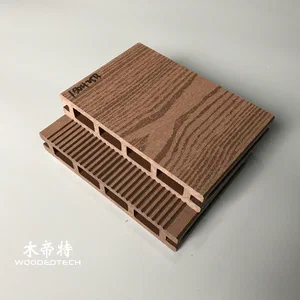 D15025-2 Classic Waterproof Insect Resistant Corrosion Resistant And Termite Resistant Composite Decking Types With Twenty Years Of Sales Experience
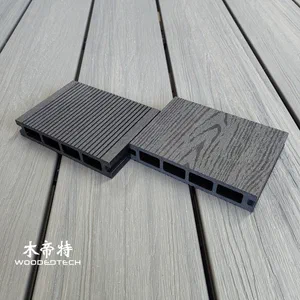 D14025-4 WPC Decking Boards Feature a Flat Wood Grain Surface with Black Ebony Heartwood Ring Grain for Outdoor Applications
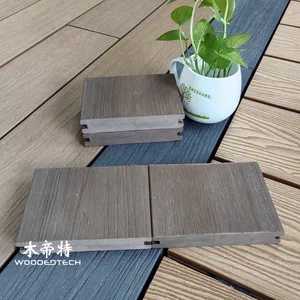 GD14025S Capped WPC Provides a Solid Board Structure for Better Load Bearing Performance and Reduced Space for Insects Inside the Board