
What Is The Difference Between Composite Deck Vs Wood Cost For Buyers

Outdoor WPC, or wood plastic composite, is often compared with natural wood because buyers want the same warm appearance with less upkeep and more predictable lifetime cost. The real difference is not only the purchase price, but also installation behavior, maintenance burden, service life, and replacement frequency.
Cost and performance at the purchase stage

Natural wood usually looks cheaper at first, especially if you compare it with premium composite boards or capped systems. That initial savings can be misleading, because wood often needs sealing, staining, and faster replacement of boards exposed to sun, rain, and insects. WPC typically costs more per square foot at the start, but it is engineered for outdoor stability, which helps reduce early wear and project rework.
Compared with aluminum, WPC is warmer underfoot and closer to a timber aesthetic. Aluminum is stronger in certain structural uses and does not rot, but it can feel harder, noisier, and more industrial on decks, screens, and cladding. It also tends to require more careful thermal design because metal expands and transfers heat quickly. For buyers focused on a natural look, WPC usually offers the better balance.
Maintenance and daily use
Natural wood and traditional timber demand the most attention. They need regular coating, inspection for moisture damage, and prompt repair of splitting, warping, or mold growth. In humid or coastal locations, that maintenance cycle shortens, which raises the real cost of ownership.
WPC is simpler to keep clean. A wash with water and mild detergent is usually enough for routine care, and quality products are built to resist rot, termites, and many common weather problems. That said, WPC is not maintenance-free. Surface staining, color fade over time, and heat buildup in direct sun are practical considerations, especially for dark colors and low-ventilation installations.
Lifecycle cost comparison
For buyers, lifecycle cost matters more than the line item on the quote. Wood can be economical for a short horizon, but over five to fifteen years the cost of coatings, labor, repairs, and partial replacement often pushes the total above WPC. If the project is commercial, high-traffic, or exposed to weather, that gap usually widens.
Aluminum can last a long time and may outperform both wood and WPC in certain exterior framing or screening applications. But the material and fabrication cost are usually higher, and its visual character does not suit every project. Other exterior materials, such as PVC or fiber cement, each solve a different problem, but they come with tradeoffs in appearance, rigidity, repairability, or thermal comfort.
What buyers should evaluate
- Budget over the full service life, not just the first invoice
- Exposure to rain, UV, salt air, and insect pressure
- Desired appearance and how closely it should mimic timber
- Expected foot traffic and cleaning frequency
- Local labor cost for refinishing or replacement
- Whether the project needs a wood feel, a metal look, or maximum durability
WPC is usually the strongest choice when buyers want a wood appearance with lower upkeep and more stable long-term spending. Wood still makes sense for lower upfront budgets or projects where owners accept ongoing care. Aluminum and other exterior materials fit specialized uses, but they rarely match WPC as a direct blend of visual warmth, manageable maintenance, and predictable lifecycle value.
FAQ
Q: Is composite deck vs wood cost always higher at the start? A: Usually, yes. Composite decking often has a higher purchase price, but it can reduce maintenance and replacement costs over time.
Q: Which lasts longer outdoors, WPC or natural wood? A: Quality WPC generally lasts longer in exposed conditions because it resists rot and insects better than untreated wood. Wood can last well too, but only with consistent upkeep.
Q: Is aluminum a better exterior material than WPC? A: It depends on the application. Aluminum is excellent for strength and corrosion resistance, while WPC is usually better for a timber-like look and lower day-to-day maintenance.
Related Articles
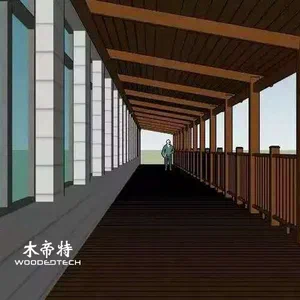 Composite deck or wood comparison helps customers choose the right outdoor flooring material for their projects
 plastic wood flooring cost depends on material structure surface design and project requirements
 How To Compare Composite Decking Brands For Quality And Performance
 How To Understand Composite Decking Price For Quality Outdoor Applications
Related Products
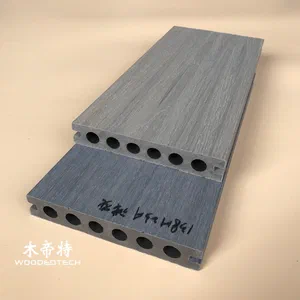 GD13823 Composite Decking Material Features Six Small Round Holes to Reduce Weight While Maintaining Structural Strength
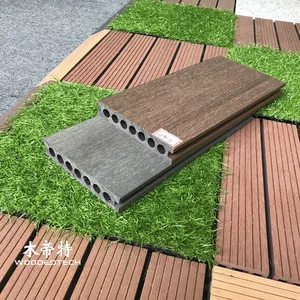 GD13823-2 Wood Versus Composite Decking Features Seven Round Holes with Wood Grain and Brushed Textures on Opposite Sides
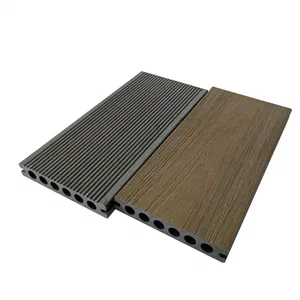 GD14023 Composite Decking Versus Wood Decking Features a Round Hole Structure with Semi Capped Co Extrusion