
What Is The Difference Between Capped And Uncapped Composite Decking for Outdoor Flooring Projects

Capped and uncapped composite decking are two popular choices for outdoor flooring projects, each offering distinct advantages in terms of durability, weather resistance, and overall performance. Understanding these differences is essential for making an informed decision that aligns with your project’s requirements.
Capped Composite Decking
Capped composite decking features a protective layer made from polymer materials, such as PVC or polyethylene, that encases the wood-plastic composite core. This cap provides several benefits:
- Enhanced durability against moisture, mold, and mildew.
- Resistance to fading from UV exposure, maintaining color and appearance over time.
- Lower maintenance needs, as the cap prevents staining and simplifies cleaning.
The cap’s quality directly influences the product’s longevity and performance, making it crucial to inspect the thickness and integrity during production.
Uncapped Composite Decking

In contrast, uncapped composite decking lacks this protective layer, exposing the wood-plastic composite core. While often more affordable, it may come with trade-offs:
- Higher susceptibility to moisture absorption, leading to potential warping and decay.
- Increased maintenance requirements, as it may need regular sealing or staining to maintain its appearance.
- Greater vulnerability to fading and discoloration from sun exposure.
Inspection methods for uncapped decking should focus on checking for consistent density and moisture content in the composite material, as these factors significantly affect durability.
Practical Factory Inspection Methods
For both capped and uncapped composite decking, implementing rigorous quality control standards is vital. Here are some effective inspection methods:
- Moisture Content Testing: Use moisture meters to ensure materials meet specified levels, preventing future warping.
- Visual Inspections: Examine boards for any inconsistencies in color, surface texture, and signs of defects.
- Mechanical Testing: Conduct stress and impact tests to evaluate the strength and resilience of decking materials.
- Adhesion Tests: For capped decking, check the adhesion between the cap and the core to ensure durability.
Quality standards, such as ASTM (American Society for Testing and Materials) guidelines, should be followed to ensure that products meet industry benchmarks for performance and safety.
Conclusion
Choosing between capped and uncapped composite decking ultimately hinges on the specific needs of your outdoor project. While capped options provide enhanced protection and durability, uncapped variants may appeal to budget-conscious consumers willing to undertake additional maintenance. Understanding these differences and implementing robust inspection methods will lead to better product choices and overall satisfaction.
FAQ
Q: What are the main benefits of capped composite decking?
A: Capped composite decking offers superior moisture resistance, UV protection, and lower maintenance needs compared to uncapped options.
Q: How can I determine the quality of composite decking?
A: Inspect for uniform density, moisture content, and conduct visual checks for defects; adherence to ASTM standards is also essential.
Q: Is uncapped composite decking suitable for all climates?
A: Uncapped decking may struggle in high-moisture areas, making it less suitable for environments with heavy rain or humidity.
Related Articles
Related Products
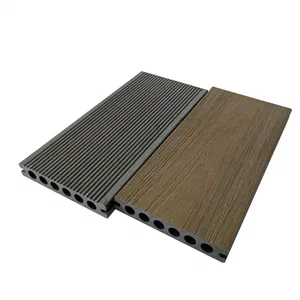 GD14023 Composite Decking Versus Wood Decking Features a Round Hole Structure with Semi Capped Co Extrusion
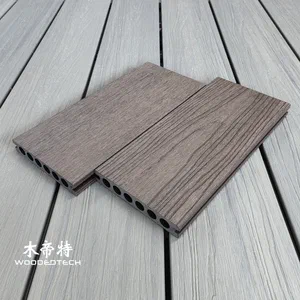 3DGD13823 Second Generation 3D Embossed Rosewood Composite Balcony Decking Delivers Ultra Realistic Wood Grain Texture and a Premium Natural Wood Experience
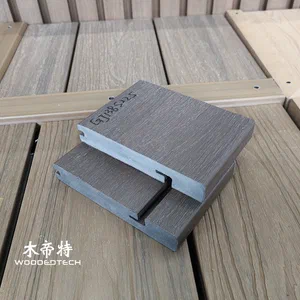 GD13822.5S Fully Capped Solid Starter Wood Polymer Composite Decking Provides a Stable Starting Structure for the First Decking Board