
what is the best composite wood decking
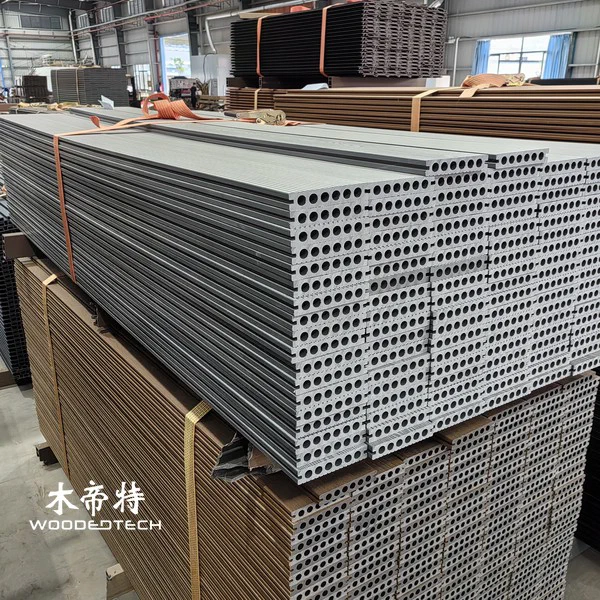
Composite wood decking has become a popular choice for commercial and residential projects due to its durability, low maintenance, and aesthetic appeal. For B2B buyers, understanding the features, advantages, and options available in composite decking can help make informed purchasing decisions tailored to their specific needs.
What Is Composite Wood Decking?
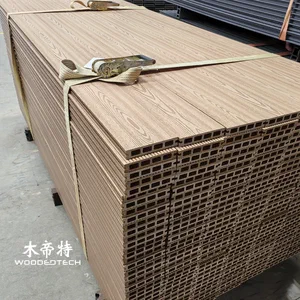
Composite wood decking is a man-made material composed of wood fiber, plastic, and binding agents. This combination creates a durable, weather-resistant product suitable for outdoor applications. Unlike traditional wood, composite decking doesn’t warp, rot, or splinter, making it an excellent option for businesses or contractors seeking long-term performance with minimal upkeep.
The surface of composite decking often mimics the natural grain of real wood, offering an attractive, realistic look without the challenges of maintaining timber. It’s commonly used in commercial spaces like boardwalks, restaurant patios, and rooftop terraces, as well as in residential decks and balconies.

Key Features of Composite Decking
When evaluating composite decking, pay attention to the following features that can influence the product’s suitability for your project:
- Material Composition: Most composite decking includes a mix of recycled wood fibers and plastics. Higher-quality options often use capped composites, which feature a protective shell layer for added resistance to stains, scratches, and fading.
- Durability: Composite decking is designed to withstand heavy foot traffic, moisture, and UV exposure. It resists cracking and splintering, making it safer for public spaces and family-friendly environments.
- Low Maintenance: Unlike natural wood, composite decking doesn’t require staining, sealing, or regular sanding. Cleaning is typically as simple as a quick rinse with soap and water.
- Aesthetic Variety: Available in a wide range of colors, textures, and finishes, composite decking can complement any architectural style or design preference.
- Eco-Friendliness: Many composite decking brands use recycled materials in their manufacturing processes, making them a sustainable choice for environmentally-conscious buyers.
Benefits of Composite Decking for B2B Applications
Businesses and contractors often prefer composite decking over traditional wood due to its practical advantages:

- Cost Efficiency Over Time: While the initial cost of composite decking can be higher than wood, its longevity and low maintenance requirements result in significant cost savings over time.
- Safety Standards: Composite decking is slip-resistant and doesn’t splinter, making it ideal for areas with high foot traffic or where safety is a concern, such as public walkways or playgrounds.
- Weather Resistance: It performs well in harsh weather conditions, resisting moisture, mold, and fading. This makes it a reliable option for outdoor installations in various climates.
- Design Consistency: Composite decking maintains its color and texture over the years, ensuring a consistent appearance without the hassle of repainting or refinishing.
How to Choose the Best Composite Wood Decking
Selecting the right composite decking involves balancing performance, aesthetics, and cost. Consider these factors when making your decision:
1. Quality of Materials
Look for products that use high-grade wood fibers and plastics, as these tend to be more durable and visually appealing. Check whether the decking is capped with a protective layer for added resistance to wear and tear.
2. Load-Bearing Capacity
For commercial projects, ensure the decking meets the required load-bearing standards. Heavy-use areas like restaurants or event spaces may need reinforced boards to handle increased weight and traffic.
3. UV and Stain Resistance
Capped composite decking often includes UV inhibitors and stain-resistant coatings, helping the material retain its color and resist discoloration over time. This is especially important for decks exposed to direct sunlight.
4. Warranty and Longevity
Reputable manufacturers typically offer warranties ranging from 10 to 30 years. A longer warranty is often an indicator of product quality and durability.
5. Supplier Reputation
Partner with trusted suppliers or manufacturers who provide clear specifications, reliable customer support, and consistent product quality. Request samples to evaluate the look and feel of the decking before committing to a bulk purchase.
Leading Brands in Composite Decking
Several brands dominate the composite decking market, each offering unique advantages. Here are a few worth considering:
- Trex: Known for its high-performance capped composites, Trex offers a wide range of color options and eco-friendly manufacturing practices.
- Fiberon: Fiberon specializes in low-maintenance decking with enhanced durability and a natural wood look. Their boards are often made from recycled materials.
- TimberTech: TimberTech stands out for its premium designs and strong warranties, catering to both commercial and high-end residential projects.
- MoistureShield: A durable option for wet or humid environments, MoistureShield decking is designed to resist moisture and mildew.
FAQ
Q: What is the lifespan of composite wood decking?
A: Composite wood decking typically lasts 25–30 years, depending on the quality of materials and environmental factors.
Q: Is composite decking more expensive than wood?
A: The upfront cost is higher than wood, but composite decking requires less maintenance, resulting in lower long-term expenses.
Q: Can composite decking be used in commercial applications?
A: Yes, composite decking is widely used in commercial spaces due to its durability, safety features, and weather resistance.
Q: How do I clean composite decking?
A: Cleaning is simple—use soap, water, and a soft brush to remove dirt and debris. Avoid using harsh chemicals or power washers.
Q: Does composite decking fade over time?
A: High-quality capped composite decking is designed to resist fading, even with prolonged UV exposure. Lower-quality options may fade more noticeably.
Related Articles
Related Products
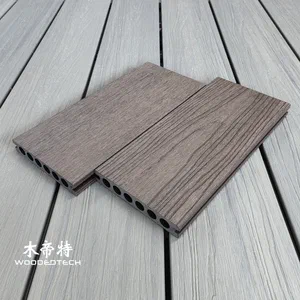 3DGD13823 Second Generation 3D Embossed Rosewood Composite Balcony Decking Delivers Ultra Realistic Wood Grain Texture and a Premium Natural Wood Experience
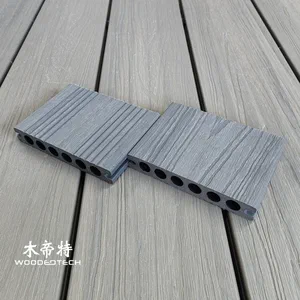 GD13823-3 Light Grey Premium Co Extrusion WPC Composite Decking Offers LG Texture and Excellent UV Resistance for Outdoor Spaces
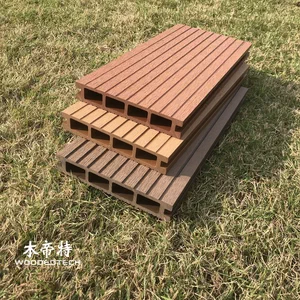 D14025-3 Square Hole Double Sided Grooved WPC Board Factory Producing Outdoor Decking Boards With Good Slip Resistance