
What is Plastic Cladding? Types, Installation & Maintenance Guide
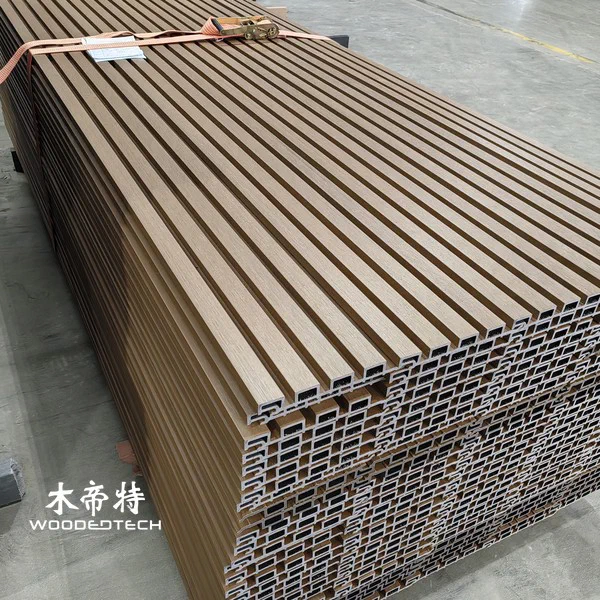
Plastic cladding is a practical exterior finishing solution made from wood-plastic composite, PVC, or similar polymer-based materials. For industrial and commercial projects, it offers a durable, low-maintenance alternative to timber, with better resistance to moisture, rot, and weather exposure.
What Plastic Cladding Is
Plastic cladding is used to protect and improve exterior walls while creating a clean, uniform appearance. In B2B applications, it is commonly specified for factories, warehouses, offices, and modular buildings where long service life and predictable maintenance costs matter. Many buyers also choose it for its stable performance in humid, coastal, or high-traffic environments.
The main value of plastic cladding lies in its balance of appearance and function. It can mimic wood grain, stone texture, or modern smooth finishes without the upkeep associated with natural materials. This makes it a strong option for projects that need visual consistency across large surfaces.
Common Types and Uses
Typical options include wood plastic composite cladding, PVC wall panels, and recycled plastic wood cladding. Among these, wpc cladding is often preferred for commercial façades because it combines a more premium appearance with stronger weather resistance. Some systems are designed as interlocking boards, while others use tongue-and-groove or concealed fixing profiles.

- Moisture-prone sites: composite or PVC-based products
- Decorative façades: wood grain composite or fluted panels
- Large-scale developments: factory-direct, standardized panel systems
- Branding-driven exteriors: custom colors and textures
For exterior applications, wpc wall cladding and exterior wall panels are popular because they are lighter than many mineral-based products and easier to transport, cut, and install on site.
Installation and Maintenance
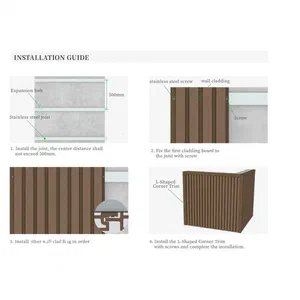
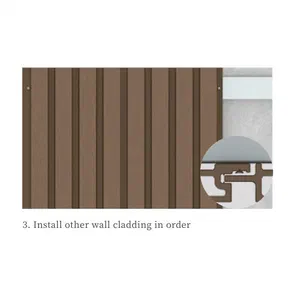
Proper installation is essential for performance. A level subframe, correct spacing for expansion, and compatible fasteners all help prevent warping or visible movement over time. For larger projects, it is best to follow a documented wpc wall cladding installation guide and confirm the panel’s dimensions, fixing method, and ventilation requirements before work begins.
Maintenance is straightforward. Routine cleaning with water and a mild detergent is usually enough to remove dust, soot, or surface staining. Unlike timber, plastic cladding does not need painting, sealing, or regular anti-rot treatment, which helps reduce lifecycle costs for commercial owners.
Material quality still matters. Buyers should check UV resistance, fire performance, wall thickness, and warranty terms before placing bulk orders. A reliable supplier should also provide consistent color matching across production batches.
Why Buyers Specify It
Plastic cladding is often chosen because it supports both design and procurement goals. It is suitable for new builds, refurbishment projects, and repeat installations where consistent appearance and efficient maintenance are priorities. For distributors, contractors, and project developers, it is a scalable product category with broad market demand.
FAQ
Q: Is plastic cladding suitable for outdoor use? A: Yes. Many plastic cladding products are designed for exterior use and perform well against moisture, UV exposure, and temperature changes.
Q: How long does plastic cladding last? A: Service life depends on the material grade and installation quality, but many commercial-grade products last for years with basic cleaning and inspection.
Q: Can plastic cladding be used on commercial buildings? A: Yes. It is widely used on offices, warehouses, retail façades, and modular structures because it is durable and easy to maintain.
Related Articles
Related Products
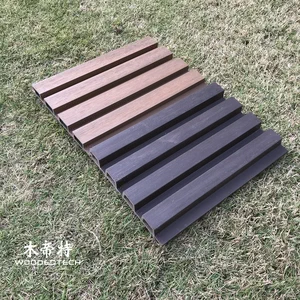
 3D17618wood look plastic cladding with three dimensional embossed texture offers unique exterior wall decoration effects
 Q14520.5 wpc cladding outdoor with single layer structure provides a cost effective solution for exterior wall decoration
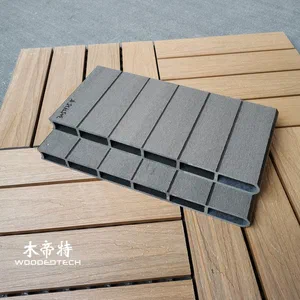 Q30525.4 Extra Wide 300mm Wood Cladding for Exterior Walls with Modern Outdoor Design