
What Is Fluted Panel

Fluted panel is a decorative surface material defined by a series of evenly spaced vertical grooves or ridges. In industrial and commercial projects, it is used to add depth, texture, and a refined architectural look to walls, furniture fronts, display fixtures, and interior partitions. For buyers, the key value is its balance of visual impact, manufacturability, and broad application across modern fit-outs.
What Is a Fluted Panel?
A fluted panel is a panel with repeated concave or convex channels across its surface. The pattern creates a linear rhythm that catches light and shadow, making flat surfaces feel more dimensional without requiring complex fabrication. Depending on the material and profile, fluted panels can look soft and elegant or bold and technical.
In B2B applications, the term usually refers to decorative wall and furniture panels produced from MDF, wood veneer, PVC, WPC, aluminum, acrylic, or other engineered materials. The exact structure varies by supplier, but the defining feature is the grooved surface.
Fluted panels are often chosen for:
- Interior wall cladding
- Reception counters and feature walls
- Retail display systems
- Cabinet fronts and furniture facades
- Commercial partitions and ceiling accents
- Hospitality and office interiors
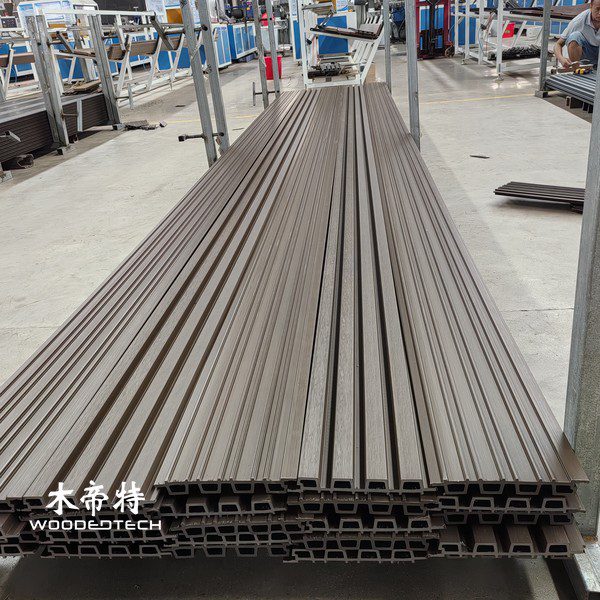

Why Fluted Panels Are Popular in Commercial Projects
Fluted panels are not only about appearance. They solve practical design needs for commercial spaces where branding, durability, and repeatable installation matter.
First, they help create a premium visual effect without the cost or weight of carved solid materials. The linear texture brings depth to large surfaces, which is useful in lobbies, showrooms, restaurants, and offices where plain walls can feel flat or unfinished.
Second, they are relatively versatile. The same design language can work in minimalist, contemporary, industrial, or luxury interiors. This makes procurement easier for projects that need a consistent look across multiple sites.
Third, many fluted panel systems are engineered for efficient installation. Some are designed with tongue-and-groove edges, backing boards, or modular formats that reduce labor time and improve alignment on-site.
Common Materials Used for Fluted Panels
Material selection affects performance, price, weight, and appearance. Buyers should match the panel material to the project environment and expected service life.
MDF Fluted Panels
MDF is one of the most common base materials for decorative fluted panels. It offers a smooth finish, stable machining, and good paint or veneer adhesion. It is widely used in dry indoor environments such as offices, retail stores, and residential-style commercial interiors.
PVC and WPC Fluted Panels
PVC and WPC options are popular where moisture resistance and low maintenance are important. These panels are often selected for bathrooms, kitchens, hospitality spaces, and projects that need easy cleaning. WPC can provide a more wood-like feel while improving resistance to water and wear.
Wood Veneer Fluted Panels
Wood veneer fluted panels offer a natural grain appearance and a warmer architectural finish. They are often used in premium interiors where visual quality is a priority. Because veneer is a natural surface, color variation and grain consistency should be reviewed carefully before mass production.
Aluminum and Metal Fluted Panels
Aluminum fluted panels are used in commercial and public spaces that require better durability, fire performance, or a more industrial look. They are also suitable for exterior or semi-exterior applications when properly engineered.
How Fluted Panels Are Manufactured
Most fluted panels are produced by shaping grooves into a substrate, then applying a surface finish. The process may include CNC machining, extrusion, lamination, painting, or veneer pressing, depending on the material.
Typical production stages include:
- Selecting the base board or profile material
- Cutting or forming the fluted grooves
- Applying veneer, film, paint, or laminate
- Edge finishing and quality inspection
- Packaging for transport and installation
For bulk buyers, manufacturing consistency is important. Groove spacing, depth, surface finish, and color matching all affect the final appearance when panels are installed in large quantities.
Key Benefits for Buyers and Specifiers
Fluted panels offer several practical advantages in commercial sourcing and project delivery.
- Strong visual impact with relatively simple construction
- Suitable for many interior design styles
- Available in different materials and finishes
- Can support modular and repeatable installation
- Often easier to source and replace than custom millwork
- Helps upgrade basic interiors without full refurbishment
For project teams, this means better control over cost, lead time, and visual consistency.
Important Quality Factors to Check
Before placing a bulk order, buyers should evaluate more than just the appearance of a sample panel.
Groove Consistency
The spacing, depth, and symmetry of the flutes should be consistent across every panel. Even small deviations can become visible once installed across a large wall.
Surface Finish
Check whether the finish resists scratches, stains, UV exposure, or humidity based on the intended use. In commercial spaces, durability often matters more than initial appearance alone.
Color Matching
If the project requires multiple batches, confirm the supplier’s color control process. This is especially important for wood veneer, painted finishes, and printed decorative surfaces.
Fire and Environmental Requirements
For many projects, compliance with fire ratings, emissions limits, or local building standards is essential. Request documentation before ordering, especially for public buildings and export projects.
Installation Compatibility
A good panel system should be compatible with the intended wall, frame, or substructure. Ask whether the product uses adhesive fixing, mechanical fastening, or a concealed clip system.
Typical Applications Across Industries
Fluted panels are used across a wide range of commercial sectors.
In retail, they help create branded feature walls, product backdrops, and display cabinetry. In hospitality, they add texture to lobbies, restaurants, guest corridors, and bar fronts. In office projects, they support reception areas, meeting rooms, and acoustic-style decorative walls. In residential developments, they are often used in model homes and amenity spaces to create a modern premium feel.
Manufacturers and contractors also use fluted panels in bespoke joinery where a consistent decorative surface is needed at scale.
Fluted Panel vs. Other Decorative Panel Types
Compared with flat panels, fluted panels add more depth and visual movement. Compared with heavily carved or molded surfaces, they are easier to manufacture and often more cost-effective.
Compared with slatted panels, fluted panels usually create a smoother, more continuous surface with less open spacing. That can be useful when a project needs a cleaner finish or easier dust control. Compared with embossed panels, fluted panels often offer a more architectural and timeless appearance.
The best choice depends on the design brief, budget, and maintenance requirements.
How to Source Fluted Panels for B2B Projects
When sourcing fluted panels for trade or project supply, start by defining the technical and commercial requirements clearly. Specify the material, dimensions, groove profile, surface finish, quantity, and delivery timeline.
It also helps to request:
- Product samples or swatches
- Technical datasheets
- Fire or compliance documents
- Installation guidance
- Packaging details for export
- Lead time and MOQ information
If the order is for a chain store, hotel group, or multi-site rollout, ask the supplier whether they can maintain batch consistency across future production runs. This can prevent costly mismatches later.
FAQ
Q: What is a fluted panel used for? A: It is used for decorative walls, furniture fronts, partitions, retail displays, and other architectural interior surfaces.
Q: Are fluted panels only for interior use? A: Most are designed for interior use, but some aluminum, WPC, or specially treated panels can be used in semi-exterior or exterior settings.
Q: Which material is best for fluted panels? A: It depends on the project. MDF suits dry interiors, PVC and WPC handle moisture better, and aluminum offers higher durability.
Q: Are fluted panels expensive? A: They are usually more affordable than custom carved millwork and can offer a strong design effect at a controlled cost.
Q: Can fluted panels be customized? A: Yes. Many suppliers offer custom sizes, groove profiles, colors, finishes, and backing systems for project requirements.
Related Articles

Related Products
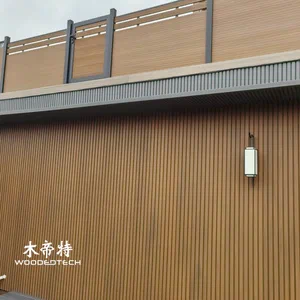
 GQ21728wpc fluted wall panel with trapezoid large Great Wall design provides impressive exterior architectural style
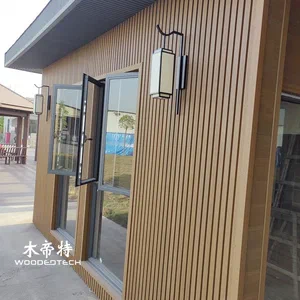
 Q14921.5 plastic wood wall panels with double layer structure offer stronger deformation resistance and long lasting outdoor performance
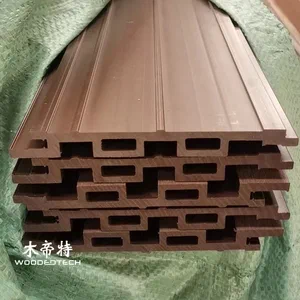 Q18620 Classic WPC Fluted Wall Panel for Stylish Exterior Wall Decoration Projects