
What is faux wood flooring and how does it compare with traditional outdoor flooring
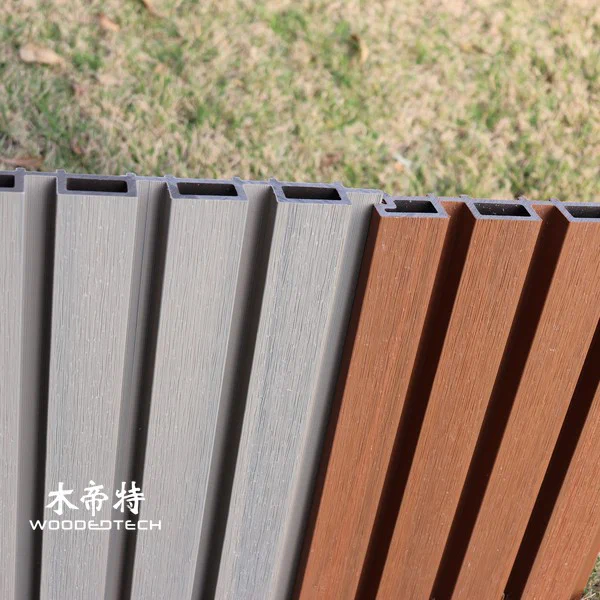
Faux wood flooring for outdoor use is typically wood plastic composite, or WPC, a material made from wood fibers and polymer resins. It is designed to mimic the look of timber while handling sun, rain, and daily wear more reliably than many natural outdoor flooring options.
What faux wood flooring is
Outdoor faux wood flooring gives you the visual warmth of wood without relying on solid lumber. Most products use a capped or uncapped composite core, textured to resemble grain and often finished in colors close to teak, oak, or walnut.
For buyers, the appeal is practical:
- More stable than natural wood in humid or wet conditions
- Less prone to splintering, cracking, and insect damage
- Available as boards or tiles for decks, balconies, patios, and pool areas
It is not identical to real timber in feel or aging. Natural wood develops character over time, while WPC keeps a more uniform appearance. That can be an advantage for commercial sites, rental properties, and projects where visual consistency matters.
How it compares with traditional outdoor materials
Against natural wood and traditional timber, WPC usually wins on maintenance and moisture resistance. Timber can look richer at first and may offer better authenticity, but it needs regular sealing, staining, sanding, and replacement of damaged boards. In coastal or wet climates, lifecycle costs often climb quickly because labor and upkeep are ongoing.
Compared with aluminum, WPC offers a warmer, more natural surface underfoot. Aluminum is extremely durable, lightweight, and fire-resistant, but it can feel cold, noisy, and less comfortable in direct sun. It also tends to suit framing, fencing, or structural exterior elements better than walking surfaces.
Other common exterior materials each have trade-offs:
- Ceramic or porcelain outdoor tiles: attractive and water-resistant, but harder underfoot and dependent on a sound substrate
- Concrete: durable and low cost, but visually plain unless finished well
- Natural stone: premium appearance and excellent durability, but higher installation cost and more demanding substructure needs
- PVC and plastic decking: low maintenance, but often less rigid and more artificial-looking than quality WPC
Advantages, limits, and maintenance

WPC’s main advantages are low upkeep, good slip resistance in the right profile, and predictable performance in changing weather. It is a strong option where owners want a timber look without frequent refinishing.
Its limits are worth noting. Lower-grade products may fade, scratch, or expand more than expected. Heat retention can be an issue in full sun, especially with darker colors. Installation quality also matters; poor spacing or weak substructure support can shorten service life.
Maintenance is simple:
- Sweep regularly
- Wash with mild soap and water
- Avoid harsh solvents and abrasive tools
- Check hidden fasteners, clips, and drainage paths periodically
Lifecycle cost and buying guidance
Upfront, WPC often costs more than basic timber and less than premium hardwoods or stone. Over time, the balance shifts. When you include sealing, repainting, labor, board replacement, and downtime, WPC frequently delivers lower lifecycle cost than traditional wood flooring outdoors.
For specifiers, the best choice depends on location and use. Choose WPC for low-maintenance decks, balconies, and hospitality spaces. Choose timber if authenticity and natural aging matter more than upkeep. Choose aluminum, stone, or tile when the project prioritizes structural performance, fire resistance, or a different architectural language.
FAQ
Q: Is faux wood flooring the same as WPC decking? A: In most outdoor applications, yes. Faux wood flooring usually refers to wood-look composite flooring made from WPC or a similar plastic-wood blend.
Q: Does outdoor WPC need sealing like timber? A: No. It does not need regular sealing or staining, which is one of its main advantages over natural wood.
Q: Is WPC cheaper than wood over time? A: Usually yes. Even if the initial purchase is similar or slightly higher, the reduced maintenance and fewer replacements often lower total cost.
Related Articles
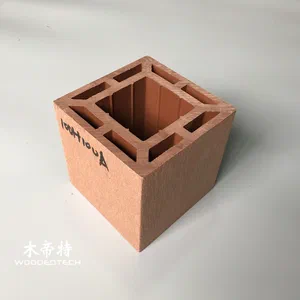 Wood plastic flooring provides a natural wood look with durable performance for outdoor environments
 Cheapest wpc flooring provides cost effective choices for residential and commercial applications
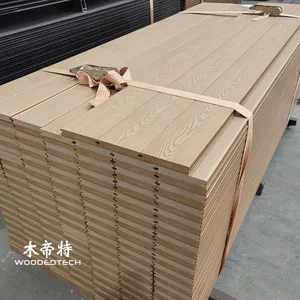 What is WPC in Flooring? Benefits, Materials & Complete Guide
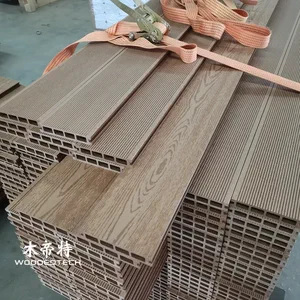 Premium WPC flooring deck: Combining Aesthetics with Durability
Related Products
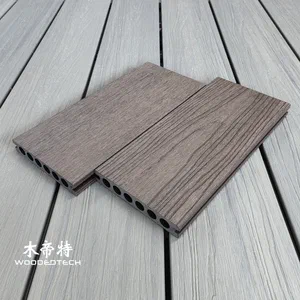 3DGD13823 Second Generation 3D Embossed Rosewood Composite Balcony Decking Delivers Ultra Realistic Wood Grain Texture and a Premium Natural Wood Experience
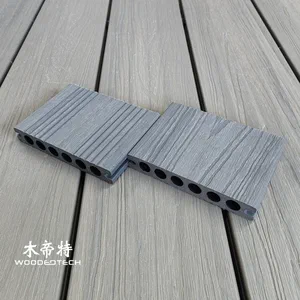 GD13823-3 Light Grey Premium Co Extrusion WPC Composite Decking Offers LG Texture and Excellent UV Resistance for Outdoor Spaces
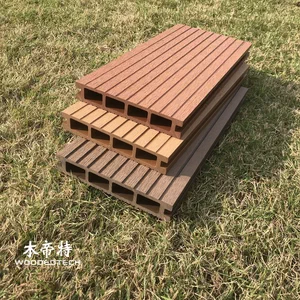 D14025-3 Square Hole Double Sided Grooved WPC Board Factory Producing Outdoor Decking Boards With Good Slip Resistance