
What Is a WPC Floor? Comprehensive Guide to Wood Plastic Composite
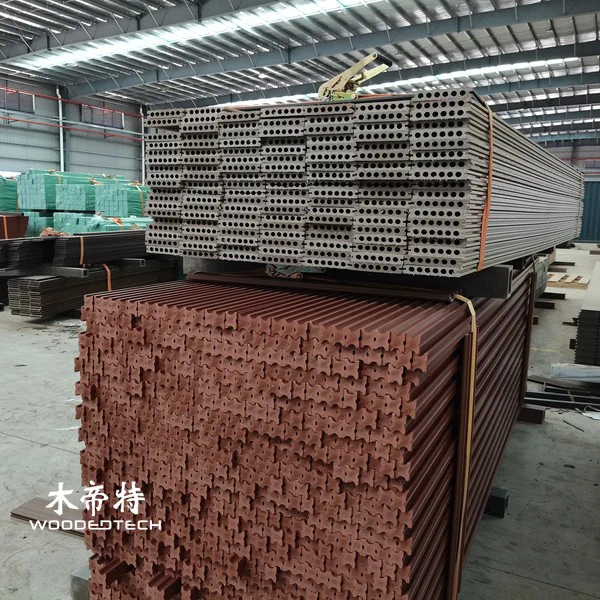
Wood plastic composite flooring, or WPC floor, is a durable surface made from a blend of wood fibers and thermoplastic materials. It is widely used in commercial, residential, and public projects because it combines the look of wood with better moisture resistance, easier maintenance, and stable performance.
What Makes WPC Flooring Different
A WPC floor is engineered to solve common weaknesses of natural wood. Traditional timber can warp, splinter, or absorb water, while WPC is designed for better dimensional stability and longer service life in demanding environments. For buyers, that means fewer complaints, less maintenance downtime, and more consistent project results.
Typical WPC flooring products are built with these advantages:
- Water resistance for wet or humid locations
- Slip-resistant surface options
- Strong wear performance for heavy foot traffic
- Wood-like appearance without frequent sealing or staining
- Compatible formats for indoor and outdoor use
For B2B buyers, WPC is often selected for hospitality spaces, retail walkways, balconies, pool surrounds, office terraces, and landscaping projects where appearance and durability both matter.

How WPC Floor Is Made
WPC stands for wood plastic composite. The material is produced by combining wood flour or fiber with polymers, then mixing in additives that improve color, UV stability, and processing. The blend is extruded or pressed into boards or tiles, creating a product that can mimic the texture of real wood while offering better resistance to weather and moisture.
Quality varies by formulation. A reliable supplier will control the ratio of raw materials, density, surface treatment, and profile design. These factors influence everything from load-bearing strength to fading resistance and installation performance.
Key Buying Considerations for B2B Projects
When sourcing WPC flooring for wholesale or project supply, focus on the real application rather than appearance alone. Outdoor installations need UV and water resistance, while high-traffic commercial zones require higher density and stronger surface protection. Fire rating, slip resistance, thickness, and fastening system should also be checked before placing bulk orders.
Installation method matters as well. Some systems use hidden clips, while others are designed as interlocking or tile-style products for faster deployment. For distributors and contractors, consistent sizing and stable supply are just as important as material quality.
Where WPC Flooring Adds Value
WPC flooring is a practical choice for projects that need a premium wood look with lower lifecycle cost. It supports faster installation, simpler cleaning, and fewer replacement cycles than many natural materials. That makes it attractive for developers, builders, and trade buyers working on cost-sensitive but design-driven projects.
FAQ
Q: What is the main difference between WPC floor and wood flooring? A: WPC flooring is moisture-resistant and more dimensionally stable than natural wood. It is better suited to areas with humidity, splashing, or heavier maintenance demands.
Q: Is WPC floor suitable for outdoor use? A: Yes, many WPC products are designed for outdoor environments such as balconies, terraces, and pool decks. Always confirm UV resistance, slip resistance, and drainage requirements before purchase.
Q: Can WPC flooring be used for commercial projects? A: Yes, it is widely used in commercial spaces because it balances appearance, durability, and lower maintenance. The right specification should match traffic levels and site conditions.
Related Articles
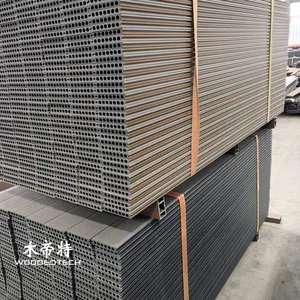
Related Products
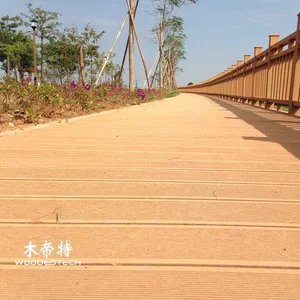
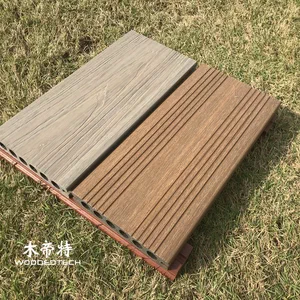 GD13823-3 Second Generation Co Extruded Wood Plastic Composites With High Quality Stable Performance For Premium Outdoor Applications
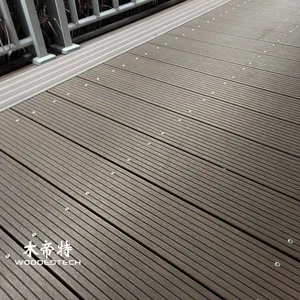
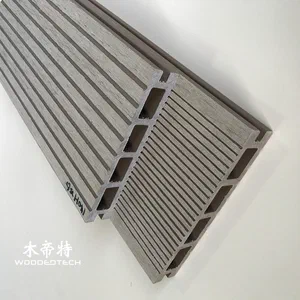 D14025-3 Composite Lumber for Decks Features a Classic Double Sided Groove Design with Excellent Value for Outdoor Projects
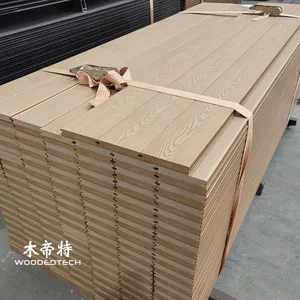
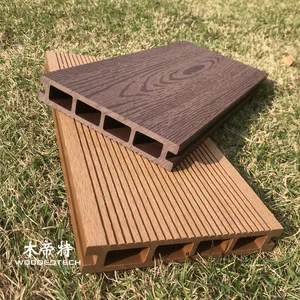 D14025-4 Composite for Decking Provides Stable Performance and Reliable Quality as a Popular Choice for Outdoor Projects