
What is a Composite Metal Deck? Architecture Guide & Structural Benefits
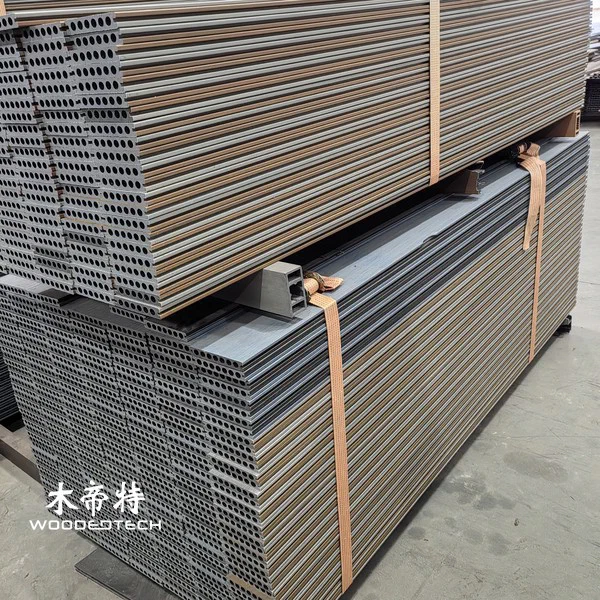
Composite metal deck is a structural steel deck system used in modern buildings to create strong, efficient floor slabs. It works with concrete to form a composite floor that improves load capacity, speeds up construction, and reduces overall steel and concrete usage.
What a Composite Metal Deck Does
A composite metal deck is roll-formed steel sheeting with ribs that act as a permanent form for concrete. Once the concrete cures, the deck and slab work together as one structural unit, which is why it is widely used in commercial, industrial, and multi-story projects.
The steel profile helps support wet concrete during placement, while also providing tensile reinforcement after hardening. That dual role makes it a practical choice for contractors who need faster cycles, fewer temporary supports, and predictable structural performance.
Architectural and Structural Benefits
For architects and engineers, the value of composite metal deck lies in its balance of strength, span efficiency, and construction speed. It supports longer spans than many traditional slab systems, which can reduce the number of beams and columns needed in a project.
- Faster installation and shorter project schedules
- Improved floor stiffness and load distribution
- Reduced formwork and shoring requirements
- Better fire-rated assembly options when designed correctly
- Efficient use of material in large floor areas

Where It Is Used
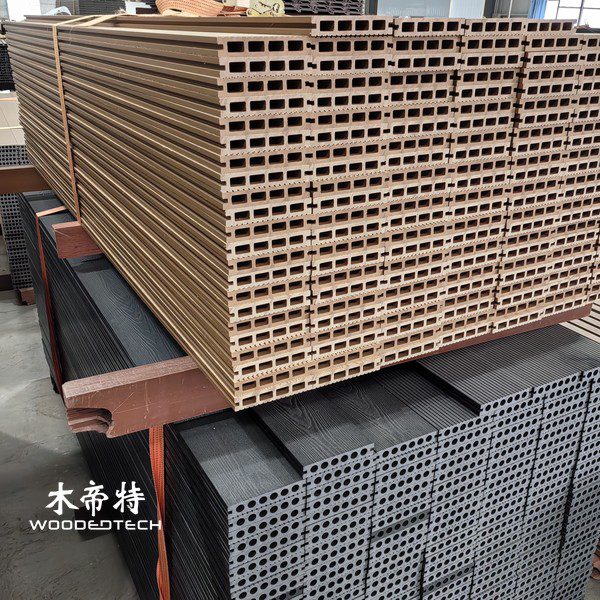
Composite metal deck is common in office towers, warehouses, factories, retail buildings, hospitals, and parking structures. It is especially effective where repetitive floor layouts and large open spaces require a system that is both economical and structurally reliable.
Its compatibility with concrete also makes it a strong option for fire resistance, vibration control, and acoustic performance when the full assembly is specified properly. In practice, that means better support for demanding B2B projects where safety, speed, and long-term durability all matter.
Key Selection Points
When specifying composite metal deck, buyers should confirm the deck gauge, rib profile, span capacity, concrete thickness, and coating type. These details affect structural performance, corrosion resistance, and installation efficiency.
Project teams should also coordinate early with the structural engineer to ensure the deck profile matches the design loads, slab depth, and connection method. Good coordination reduces change orders and helps keep fabrication and site work aligned.
FAQ
Q: What is the main purpose of a composite metal deck? A: It serves as a permanent steel form for concrete and becomes part of the finished floor structure. This improves strength and speeds up construction.
Q: Is composite metal deck the same as roof deck? A: No. Composite deck is designed to work with concrete in floor systems, while roof deck is typically used as a roof substrate without composite action.
Q: Why do contractors choose composite metal deck? A: It cuts installation time, reduces temporary formwork, and supports efficient slab construction. That makes it attractive for commercial and industrial builds.
Related Articles


Related Products
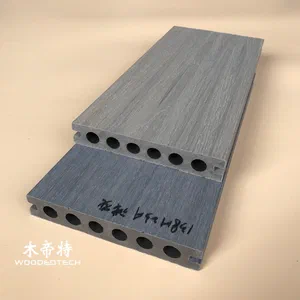 GD13823 Composite Decking Material Features Six Small Round Holes to Reduce Weight While Maintaining Structural Strength
 Y6040S Extra Large Thick Solid I Shaped Composite Deck Joist Offers Strong Support for Outdoor Structures
 L120120 four side flat surface 4x4 composite deck post provides strong support for outdoor fence structures