
What Is a Composite Deck? Everything You Need to Know Before Buying
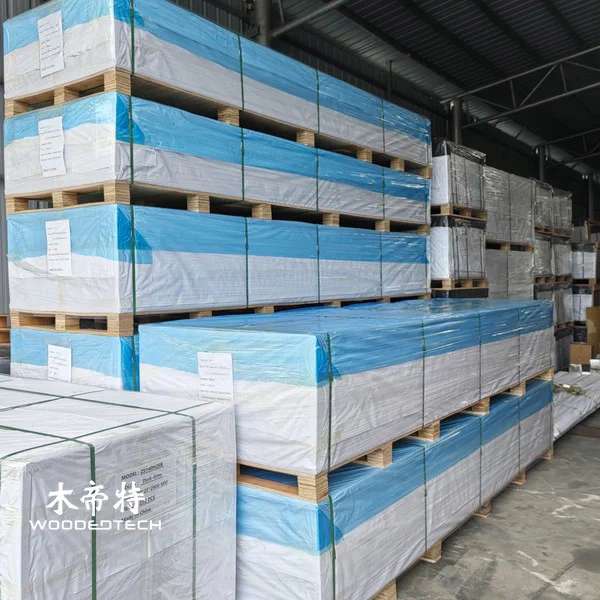
A composite deck is an outdoor decking solution made from wood fiber and plastic, designed to deliver the look of timber with better durability and lower maintenance. For buyers sourcing materials for commercial, hospitality, or residential projects, it is one of the most practical alternatives to traditional wood decking.
What Makes a Composite Deck Different
Composite decking is manufactured to solve common problems seen in timber decks, such as rotting, warping, splintering, and frequent repainting. The material is engineered for stable performance in outdoor environments, which makes it suitable for terraces, walkways, pool areas, resorts, and apartment amenities.
Typical advantages include:
- Moisture resistance for humid or wet climates
- Better resistance to insects and decay
- Consistent color and surface quality
- Lower maintenance than natural wood
- Long service life when properly installed
For B2B buyers, these benefits matter because they reduce post-installation complaints, maintenance costs, and replacement frequency.
Key Buying Factors for Industrial and Wholesale Projects
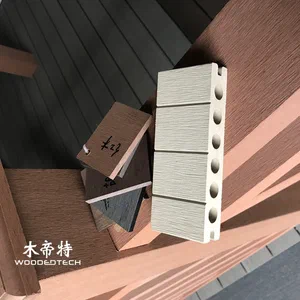
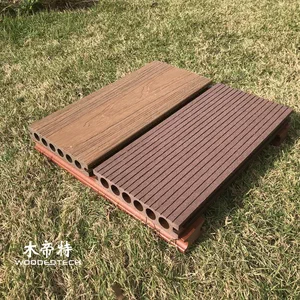
When evaluating composite deck boards, focus on material structure, surface treatment, and application requirements. Capped composite decking offers an added protective shell, which can improve stain resistance and fade performance. Solid boards usually provide greater strength, while hollow boards may reduce weight and shipping cost.
You should also compare:
- Board dimensions and installation method
- Slip resistance for wet or public areas
- UV stability for sun-exposed projects
- Load requirements for commercial use
- Color options that match the building design
If you are buying in volume, ask whether the supplier can support OEM or custom production, consistent batch color control, and export-ready packaging. Those details often matter more than the initial unit price.
Where Composite Decking Works Best
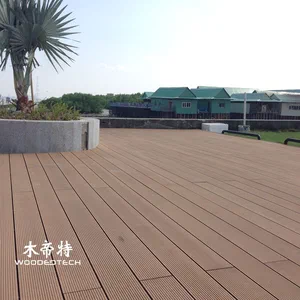
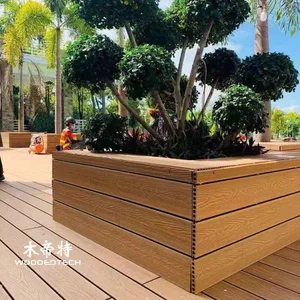
Composite decking is widely used in outdoor flooring projects where appearance and durability both matter. Common applications include hotel balconies, cafe terraces, garden paths, rooftop decks, marina platforms, and public seating zones. It also pairs well with related WPC systems such as railing, cladding, and pergola structures for a unified architectural look.
Compared with wood, composite decking is often easier to standardize across multiple project sites. That makes it attractive for contractors, developers, and distributors who need predictable supply and repeatable installation results.
Choosing the right product is not only about looks. It is about matching the board specification to the climate, foot traffic, and maintenance expectations of the end user. A reliable supplier should provide technical data, installation guidance, and clear warranty terms before purchase.

FAQ
Q: Is composite decking better than wood for commercial projects? A: In many cases, yes. It usually offers better moisture resistance, lower maintenance, and more consistent performance over time.
Q: What should B2B buyers check before ordering composite deck boards? A: Review board structure, surface finish, load capacity, UV resistance, and supplier quality control. For export orders, also confirm packing and lead time.
Q: Can composite decking be used around pools? A: Yes, many products are suitable for poolside use if they have good slip resistance and are rated for wet outdoor environments.
Related Articles
Related Products
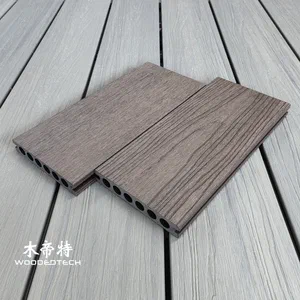 3DGD13823 Second Generation 3D Embossed Rosewood Composite Balcony Decking Delivers Ultra Realistic Wood Grain Texture and a Premium Natural Wood Experience
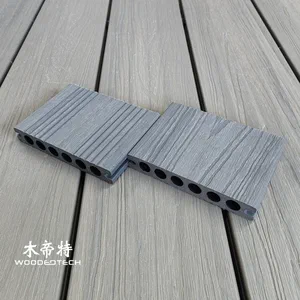 GD13823-3 Light Grey Premium Co Extrusion WPC Composite Decking Offers LG Texture and Excellent UV Resistance for Outdoor Spaces
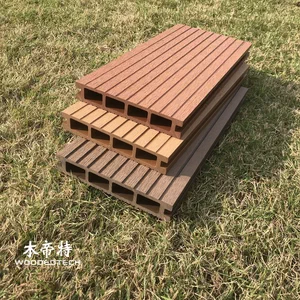 D14025-3 Square Hole Double Sided Grooved WPC Board Factory Producing Outdoor Decking Boards With Good Slip Resistance