
What Are the Disadvantages of WPC Flooring and How to Choose the Right Outdoor Material
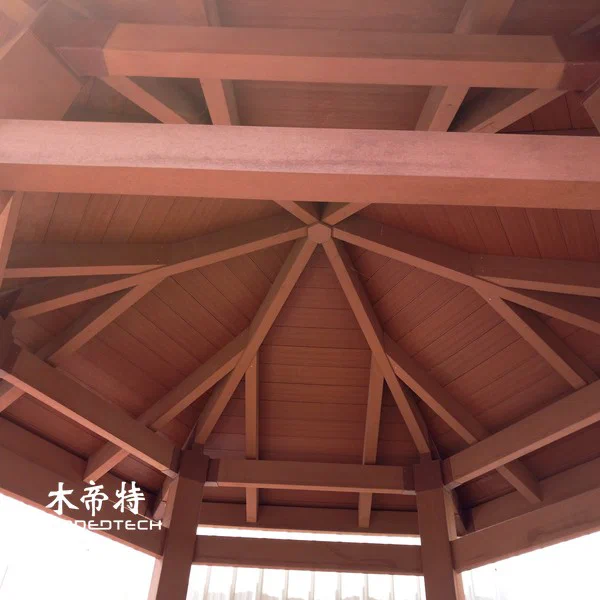
Outdoor WPC flooring can be a practical choice for many projects, but it is not perfect for every site or budget. Buyers comparing WPC with other outdoor materials should understand the common drawbacks, then match the product to the climate, traffic level, and maintenance expectations.
Main Disadvantages of WPC Flooring
WPC flooring offers a wood-like look and easier upkeep than natural timber, yet it can still have limits. Standard products may expand slightly under heat, so correct installation gaps and substructure design matter. In very hot or highly exposed locations, surface fading and softening can also become concerns if the board quality is low.
Another point is load performance. Hollow or light-duty boards are usually more cost-effective, but they may not suit heavy commercial foot traffic, rolling loads, or long spans without proper joist support. Buyers should also avoid comparing WPC only by appearance; core density, cap layer, UV resistance, and slip performance have a much bigger impact on service life.
How to Choose the Right Outdoor Material
Start with the use case. For balconies, pool edges, terraces, and landscape walkways, choose outdoor flooring with reliable anti-slip performance and water resistance. For public areas, hospitality decks, and retail entrances, prioritize higher-density boards, stronger impact resistance, and proven weather stability.

Key buying points include:
- Material type: capped composite, co-extrusion, or standard WPC
- Board structure: solid for higher strength, hollow for lighter budgets
- Surface: wood grain, grooved, or embossed for traction and appearance
- Size and profile: thickness, width, and joist spacing requirements
- Performance: UV resistance, moisture resistance, stain resistance, and color stability
Typical Specifications and Applications
Common WPC outdoor boards are supplied in lengths from 2.2 m to 5.8 m, with widths around 140 mm to 150 mm and thicknesses from 20 mm to 25 mm, depending on the profile. Surface options often include capped finishes for better protection, while installation uses hidden clips, stainless fasteners, and compatible decking joists.
These materials are widely used for:
- Residential terraces and garden decks
- Hotel and resort walkways
- Pool surrounds and balcony flooring
- Commercial patio areas
- Outdoor renovation and landscaping projects
For B2B buyers, the best choice is not always the cheapest board. It is the one that balances appearance, durability, safety, and installation efficiency for the target market.
FAQ
Q: What is the biggest disadvantage of WPC flooring? A: Heat-related expansion and quality differences are the main concerns. Low-grade boards may also fade or lose surface performance faster outdoors.
Q: Is WPC flooring better than wood for outdoor use? A: In most cases, yes, because it needs less maintenance and handles moisture better. Wood may still be preferred when a natural aging look is part of the design.
Q: Which outdoor material is best for commercial projects? A: Capped or co-extrusion composite boards are usually better for commercial use. They offer stronger surface protection, better weather resistance, and more stable long-term performance.
Related Articles
Related Products
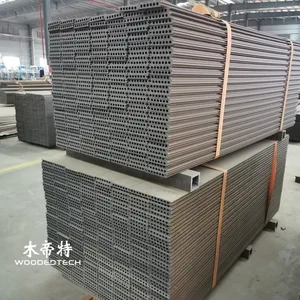
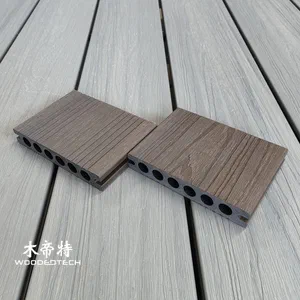 Purple Sandalwood GD13823-3 Co Extruded WPC Outdoor Decks with Round Holes Are Available in Stock in 3 Meter Lengths Year Round
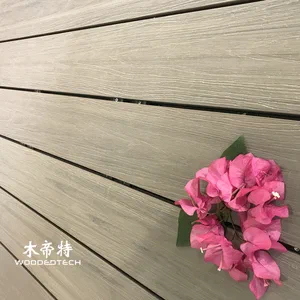
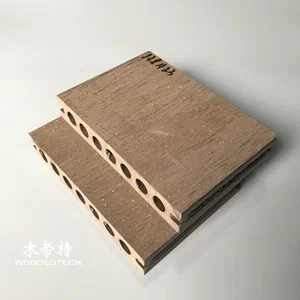 D13823 Round Hole Double Sided Flat WPC Bamboo Decking Boards With Strong Quality And Various Wood Grain Surface Treatments
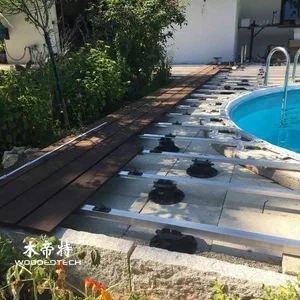
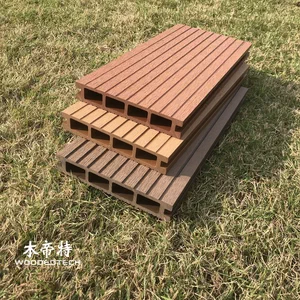 D14025-3 Square Hole Double Sided Grooved WPC Board Factory Producing Outdoor Decking Boards With Good Slip Resistance