
Waterproof Plastic Wood Provides Reliable Outdoor Performance In Different Weather Conditions

Waterproof Plastic Wood offers a robust solution for outdoor applications, ensuring reliability across various weather conditions. The durability and performance of Wood Plastic Composite (WPC) products hinge on the quality of their raw materials, including wood powder, HDPE/PVC polymers, additives, pigments, and modifiers. This article explores how these components impact the overall effectiveness of WPC products, alongside practical inspection methods and quality standards used in manufacturing.
Influence of Raw Materials
The combination of wood powder and polymers forms the backbone of WPC products. Wood powder provides a natural aesthetic and structural integrity, while the choice of polymer—often HDPE or PVC—significantly affects durability and resistance to environmental factors.
Wood Powder: Enhances rigidity and adds a wood-like appearance. However, the particle size and moisture content must be controlled to prevent degradation over time.
Polymers (HDPE/PVC): HDPE offers excellent resistance to moisture and UV rays, while PVC can provide additional strength and chemical resistance. Both materials contribute to the product’s ability to withstand outdoor elements.
Additives play a crucial role in enhancing the properties of WPC products. For instance, anti-UV agents improve weather resistance, while fire retardants enhance safety.
Quality Control in Manufacturing

In a professional outdoor WPC factory, rigorous quality control measures are essential to ensure the materials meet industry standards. This includes:
Material Inspection: Regular testing of wood powder for moisture content and particle size ensures optimal performance. Polymers are examined for purity and consistency.
Additive Evaluation: Each additive’s effectiveness is assessed through standardized tests to confirm compliance with safety and performance specifications.
Final Product Testing: Comprehensive assessments, such as tensile strength, impact resistance, and weathering tests, are conducted on finished products to guarantee longevity and reliability.
Practical Inspection Methods
To maintain high-quality standards, factories often employ various inspection methods:
Visual Inspections: Checking for surface defects, color consistency, and overall appearance during various production stages.
Mechanical Testing: Conducting tests for flexural strength, hardness, and slip resistance to evaluate performance under practical use scenarios.
Environmental Testing: Simulating extreme weather conditions, including heat, humidity, and UV exposure, to assess how products will fare in real-world settings.
Implementing these inspection methods ensures that WPC products not only meet but exceed customer expectations for outdoor applications.
FAQ
Q: What are the key benefits of using HDPE in WPC products?
A: HDPE provides superior moisture resistance and UV stability, making it ideal for outdoor applications.
Q: How does wood powder affect the performance of WPC?
A: Wood powder enhances the aesthetic and structural integrity but must be carefully processed to avoid issues with moisture and degradation.
Q: What quality standards should WPC products meet?
A: WPC products should adhere to industry standards for mechanical strength, weather resistance, and safety specifications.
Related Articles
 Plastic Wood Deck Floor Offers Low Maintenance And Natural Looking Outdoor Flooring Performance
 Best WPC Decking Provides High Quality Outdoor Flooring Solutions for Global Markets
 WPC Deck Provides Natural Wood Appearance with Long Lasting Outdoor Performance
 WPC Cladding Outdoor Systems Create Modern Exterior Walls with Weather Resistant Performance
Related Products
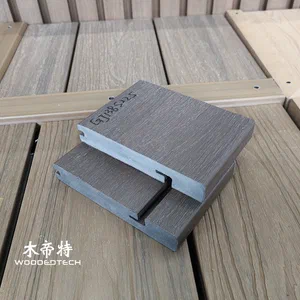 GD13822.5S Fully Capped Solid Starter Wood Polymer Composite Decking Provides a Stable Starting Structure for the First Decking Board
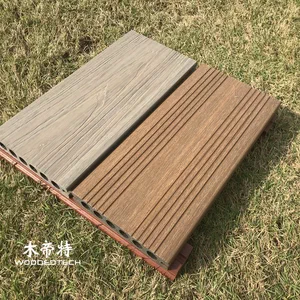 GD13823-3 Second Generation Co Extruded Wood Plastic Composites With High Quality Stable Performance For Premium Outdoor Applications
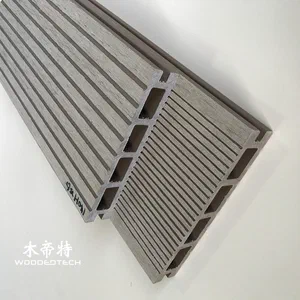 D14025-3 Composite Lumber for Decks Features a Classic Double Sided Groove Design with Excellent Value for Outdoor Projects