
waterproof exterior decking offers durable outdoor flooring options for residential and commercial spaces
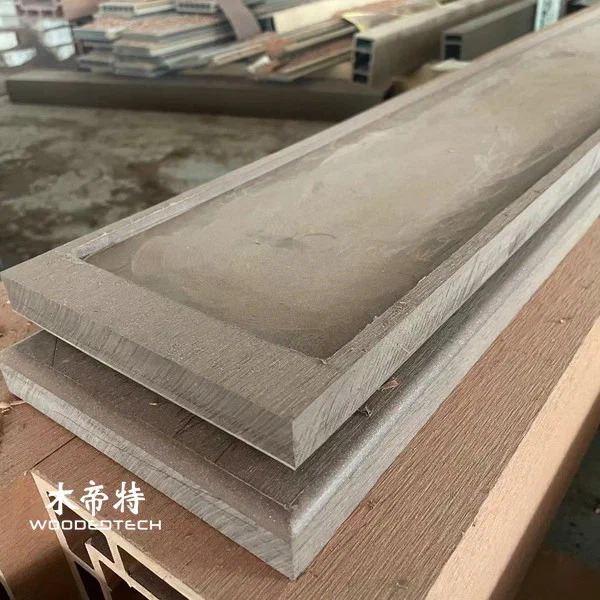
Waterproof exterior decking is a practical outdoor flooring solution for residential and commercial projects that need long service life, stable performance, and a clean finished look. As a WPC application engineer, I recommend it for areas exposed to rain, humidity, splash water, and heavy foot traffic, where ordinary wood flooring often fails too early.
Where outdoor WPC products work best
In residential gardens, waterproof exterior decking creates tidy terraces, poolside paths, barbecue corners, and raised lounge zones. It handles wet soil, irrigation overspray, and direct sunlight better than many natural materials, while keeping maintenance simple for homeowners. For design continuity, it also pairs well with matching WPC cladding, railing, and pergola systems.
Commercial landscapes need flooring that stays attractive under constant use. Outdoor WPC decking is a strong fit for hotel walkways, rooftop terraces, garden restaurants, resort courtyards, and retail outdoor seating areas. Choose darker, embossed, or co-extruded finishes for a more refined appearance, and specify slip-resistant surfaces where guests may walk with wet shoes.

Special recommendations for balconies, pools, and public spaces
Balconies benefit from waterproof balcony flooring because drainage is often limited and cleaning must be easy. For high-rise projects, I recommend lightweight decking systems with proper subframe spacing and verified load capacity. If the balcony is exposed to wind and strong UV, select capped or co-extrusion decking for better color stability and surface protection.
Swimming pool areas require the highest attention to slip resistance and water drainage. Use grooved or textured decking, leave appropriate expansion gaps, and make sure the substructure allows quick drying underneath. Around pools, avoid sharp edges and choose lighter colors when surface temperature is a concern in hot climates.
Public facilities such as parks, pedestrian platforms, boardwalk-style paths, and community rest areas need durability and consistency. WPC decking is suitable for these environments because it resists rot, splintering, and many common maintenance issues associated with timber. For benches, steps, and edge details, combine decking with matching WPC accessories to keep the project visually uniform.
Professional application suggestions
For best results, installation should follow the site conditions, not just the product catalog. Pay attention to these points:
- Confirm the intended use: residential, hospitality, municipal, or heavy traffic
- Check drainage and ventilation under the decking
- Use corrosion-resistant fasteners and compatible joists
- Select anti-slip textures for wet zones
- Match the product grade to sunlight, moisture, and traffic level
- Allow proper expansion gaps for temperature changes
Good material selection matters as much as installation quality. For demanding projects, I usually suggest capped composite decking or co-extrusion decking, especially where appearance retention and low maintenance are priorities.
FAQ
Q: Can waterproof exterior decking be used in fully exposed outdoor areas? A: Yes, it is designed for weather exposure, including rain and sunlight. Proper installation and drainage are still necessary for long-term performance.
Q: Is WPC decking suitable for hotel and commercial projects? A: Yes, it is widely used in hotels, resorts, cafes, and commercial landscapes. It offers a professional look with lower maintenance than timber.
Q: What surface is best for poolside use? A: A textured or grooved anti-slip surface is recommended. It improves walking safety and performs better in wet conditions.
Related Articles
 10 x 16 composite deck cost depends on design materials and installation requirements
 composite decking deck boards provide attractive outdoor flooring with low maintenance advantages
 fiberon composite deck boards are widely recognized for outdoor decking applications
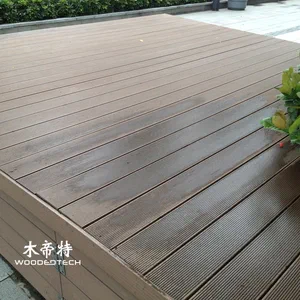 ground level composite deck provides a comfortable outdoor space with easy maintenance benefits
Related Products
 D15035 Hollow Square Hole WPC Deck Offers Double Grooved Surfaces with Unique Thickness Design for Outdoor Applications
 Y5030-2 Hollow Structure Composite Deck Joist Provides Lightweight Support for Modern Decking Projects
 GD13825 capped composite decking with 2.5cm thickness and grooved surface provides high quality outdoor flooring performance