
wall cladding plastic wood provides durable exterior decoration with natural wood appearance

Wall cladding plastic wood is a practical exterior finish that combines the warmth of natural timber with the durability buyers need for modern outdoor projects. It is widely used on facades, garden walls, and feature surfaces because it delivers a clean wood look without the constant upkeep of real wood.
Design trends shaping modern outdoor spaces
Today’s outdoor design is moving toward calmer, more architectural surfaces. For composite decking, wall panels, fences, pergolas, gazebos, and landscape products, buyers want materials that look coordinated across the full project. That is why plastic wood systems are gaining attention: they let designers carry the same color family, grain style, and profile language from the wall to the deck to the pergola.
Color choice plays a big role. Warm teak, walnut, charcoal, and soft gray remain popular because they work well with stone, glass, powder-coated metal, and planted areas. Lighter tones can make smaller spaces feel open, while darker shades create a stronger premium look for commercial courtyards, hotel terraces, and private gardens.
Texture is just as important as color. Deep wood grain, 3D embossed surfaces, and fluted finishes add visual depth and help exterior walls feel less flat. On wall cladding, a realistic grain pattern gives the impression of natural timber, but without the splintering, fading, or repainting problems that come with untreated wood. On decking and railing, coordinated texture improves the overall design consistency.
Profiles and modular systems add flexibility
Modern outdoor projects often rely on simple, repeatable modules. Groove-and-lap panels, slatted profiles, and hidden-fastener systems help installers achieve a neat finish quickly. Modular wall cladding plastic wood products are especially useful for large facades and landscape features because they reduce visible joints and make replacement easier if a section is damaged.
The same design logic applies to pergolas and gazebos. Clean beams, square posts, and matching surface finishes create a unified look, while modular components support faster assembly on site. For fences and privacy screens, horizontal slats and evenly spaced panels provide a modern rhythm that feels light but still offers enclosure.
Better outdoor performance with a natural appearance
Plastic wood cladding is valued because it balances appearance and performance. It resists moisture better than timber, handles sun exposure more reliably, and keeps its shape in changing weather. That makes it suitable for exterior decoration in coastal areas, poolside spaces, and garden walls where durability matters.

For landscape products such as planters, benches, screens, and edging, the same material can be used to build a consistent outdoor theme. Designers can match deck boards with wall panels and fence elements, creating a project that looks planned rather than assembled from separate parts. This is one reason wall cladding plastic wood remains a strong choice for architects, contractors, and developers seeking durable exterior decoration with a natural wood appearance.
FAQ
Q: Why choose wall cladding plastic wood instead of real timber? A: It offers a wood-like look with less maintenance and better resistance to moisture and weather. It is a practical option for long-term exterior decoration.
Q: Which design style works best with composite outdoor products? A: Modern minimal designs are the most common, especially with neutral colors, wood grain textures, and simple linear profiles. These elements make different outdoor features feel connected.
Q: Can the same material be used across decks, fences, and pergolas? A: Yes, many projects use matching WPC systems across multiple applications. This creates a consistent appearance and simplifies sourcing and installation.
Related Articles
 exterior wall panels provide versatile decorative solutions for residential and commercial buildings
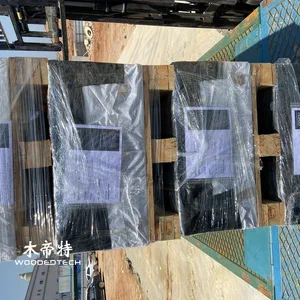 Composite outdoor wall panels create attractive exterior designs with wood like appearance
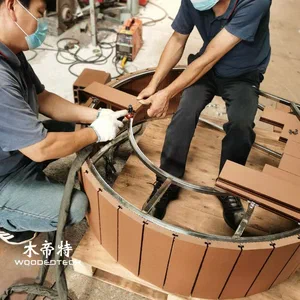 Outdoor decorative wall panel wood plastic materials enhance exterior spaces with modern designs
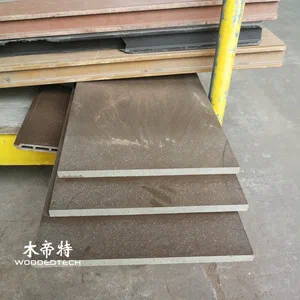 Plastic wood like cladding delivers natural wood appearance with excellent weather resistance for exterior walls