
Viga WPC Exterior Precio: Industrial Cost Analysis and Supplier Guide
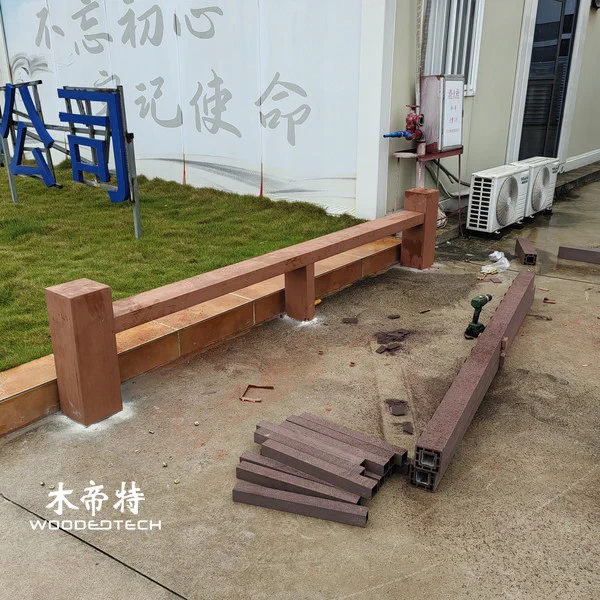
Viga WPC exterior price is determined by more than the cost of raw materials or the dimensions of individual boards. For international buyers, the final quotation reflects material formulation, extrusion efficiency, surface treatment, production volume, quality control, packaging, and shipping arrangements. As a Guangdong-based outdoor WPC manufacturer, we manage these factors through standardized production planning and cost control to provide competitive pricing without compromising product consistency or delivery reliability.
1. What Determines Viga WPC Exterior Price?
In mass production, material costs are usually one of the largest components of the manufacturing price. WPC products typically combine wood fiber or wood flour, recycled or virgin plastics, processing additives, pigments, and other functional ingredients. The proportion and quality of these materials directly affect product density, mechanical strength, weather resistance, and surface appearance.
For exterior applications, manufacturers must balance material performance with production costs. A lower-cost formulation may reduce the initial purchase price, but insufficient UV stabilizers, poor-quality additives, or inconsistent raw materials can lead to fading, cracking, or dimensional instability after outdoor exposure.
Other important cost factors include:
- Profile dimensions, wall thickness, and solid or hollow structure.
- Wood flour and polymer quality.
- Surface finishes, including wood-grain embossing and sanding.
- UV resistance and weather-resistant additives.
- Production quantity and customized mold requirements.
- Packaging specifications and international transportation.
From a factory management perspective, we evaluate the complete product specification before calculating the quotation. This prevents pricing differences caused by comparing products with different material formulations or manufacturing standards.
2. How Professional WPC Factories Organize Mass Production

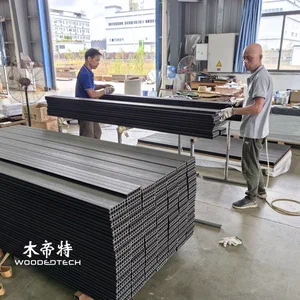
A professional WPC factory does not manufacture every order independently. Instead, we organize production around standardized product specifications, production batches, and equipment capacity. This approach allows us to reduce machine downtime, improve material utilization, and maintain consistent product quality.
Our production process generally includes raw material preparation, mixing, extrusion, cooling, shaping, surface treatment, cutting, inspection, and packaging. Each stage follows defined operating parameters. For example, extrusion temperature, screw speed, feeding rate, and cooling conditions must remain within controlled ranges to avoid dimensional variations and surface defects.
Production planning begins after the sales and technical teams confirm the customer’s specifications. The production manager then checks available raw materials, mold compatibility, machine capacity, and delivery deadlines before issuing a manufacturing schedule.
For large international orders, we often arrange production in batches rather than switching specifications frequently. Running similar profiles together reduces setup time, material waste, and equipment adjustment costs.
This is particularly important for wholesale outdoor WPC decking and cladding projects, where buyers may require several containers of products with identical colors, dimensions, and surface finishes.
3. Production Efficiency and Manufacturing Cost Control
Manufacturing efficiency directly affects the final Viga WPC exterior price. A factory with stable production processes can often offer more competitive quotations than a supplier relying on frequent manual adjustments or inefficient equipment scheduling.
We focus on several practical areas.
First, raw material purchasing is planned according to confirmed orders and production forecasts. Purchasing materials in appropriate quantities helps reduce procurement costs while avoiding excessive inventory and material deterioration.
Second, extrusion equipment must operate efficiently. Regular maintenance, standardized operating procedures, and experienced machine operators help minimize unexpected shutdowns. When production lines operate continuously with fewer interruptions, output per shift increases and fixed manufacturing costs are distributed across more finished products.
Third, production waste must be monitored. Incorrect temperature settings, unstable feeding, and poor cutting accuracy can generate defective boards and unnecessary material consumption. By recording production losses and investigating recurring defects, factory managers can improve material utilization over time.
Finally, labor allocation is organized around production capacity. Skilled operators are assigned to critical processes, while inspection and packaging teams work according to the output schedule. This reduces unnecessary handling and prevents finished products from accumulating between production stages.
These improvements help control manufacturing costs without depending solely on cheaper raw materials.
4. Order Management for International WPC Buyers
Export orders require more coordination than domestic factory production because buyers often have specific requirements for dimensions, colors, labeling, packaging, and shipping documents.
Our order management process starts with technical confirmation. Before production, we verify product drawings, dimensions, tolerances, color samples, surface finishes, quantities, and packaging requirements. Customized orders also require confirmation of mold availability and any additional tooling costs.
Once specifications are approved, the production department creates a manufacturing schedule based on the agreed delivery date. Purchasing, production, quality control, and export teams coordinate their activities to avoid delays caused by missing materials or incomplete documentation.
For repeat customers, maintaining production records is particularly valuable. Previous formulations, approved color references, product specifications, and packaging details can be used as references for subsequent orders. This reduces repeated technical communication and helps maintain consistency between shipments.
For buyers sourcing wood plastic composite decking or exterior wall panels, clear order confirmation is essential. Even small differences in profile dimensions or surface color can affect installation results across a large construction project.
5. Quality Control and Stable Product Delivery
Competitive pricing has little value if product quality changes between production batches. International distributors, contractors, and project buyers need reliable products that meet agreed specifications throughout the supply relationship.
Our quality management process includes incoming material inspection, production monitoring, finished-product inspection, and pre-shipment checks.
During production, operators monitor dimensions, appearance, extrusion stability, and surface consistency. Finished boards are checked for length, width, thickness, color differences, visible defects, and other agreed requirements.
For exterior WPC applications, additional performance testing may cover water absorption, flexural properties, impact resistance, weathering performance, and slip resistance where relevant to the product specification. Testing methods and acceptance criteria should be agreed with buyers rather than assumed to be identical across all markets.
Packaging is another important part of delivery management. Boards must be protected against scratches, moisture exposure during transportation, and handling damage. For container shipments, loading plans are prepared to improve space utilization while protecting the products.
We also maintain production and inspection records so that any quality issue can be traced to its relevant batch. This provides a more reliable basis for handling customer feedback and repeat orders.
6. How to Evaluate a WPC Exterior Supplier Beyond Price
When comparing Viga WPC exterior price quotations, international buyers should evaluate the manufacturer’s actual production capabilities rather than selecting the lowest unit price immediately.
A reliable supplier should be able to explain its material formulation, production capacity, quality inspection procedures, customization capabilities, and estimated manufacturing lead time. Buyers should also request product samples and relevant technical documents before placing large-volume orders.
For wholesale purchasing, it is useful to compare quotations using the same product dimensions, material specifications, surface treatment, order quantity, packaging method, and trade terms. This makes the cost comparison more meaningful.
At our Guangdong WPC factory, we believe long-term cooperation depends on balancing competitive manufacturing costs with stable product quality and dependable delivery. By coordinating raw material procurement, production scheduling, equipment management, and quality inspection, professional manufacturers can support international buyers with more predictable costs and consistent supply for outdoor construction and landscaping projects.
Related Articles
 What Is WPC? A Comprehensive Guide to Materials, Applications, and Benefits
 Made in PRC Which Country: Industrial Sourcing Guide 2026
 WPC Fence Post for Stable Outdoor Fence Construction Garden Boundaries and Privacy Applications
 Best WPC Decking Provides High Quality Outdoor Flooring Solutions for Global Markets
Related Products
 GD13823-3 Composite Boards for Decking Are Available in Multiple Stock Colors with 3 Meter Lengths and Single Piece Delivery
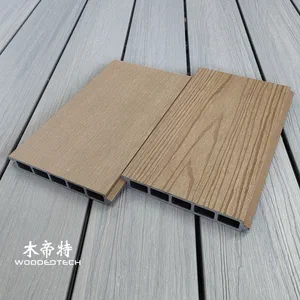 3DGL18024 WPC Longboard Fence Features Premium Co Extruded 3D Embossed Teak Wood Grain Texture with Realistic Natural Wood Fibers
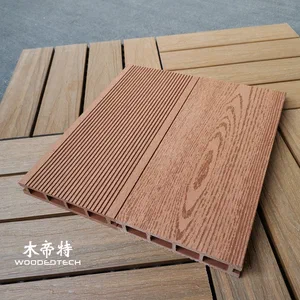 The Classic D14025-4 Red Wood WPC Wood Sheet Features a Timeless 2D Flat Wood Grain Design That Remains Popular After Twenty Years