
Versatile WPC Panel Systems for Integrated Interior & Exterior Wall Decoration
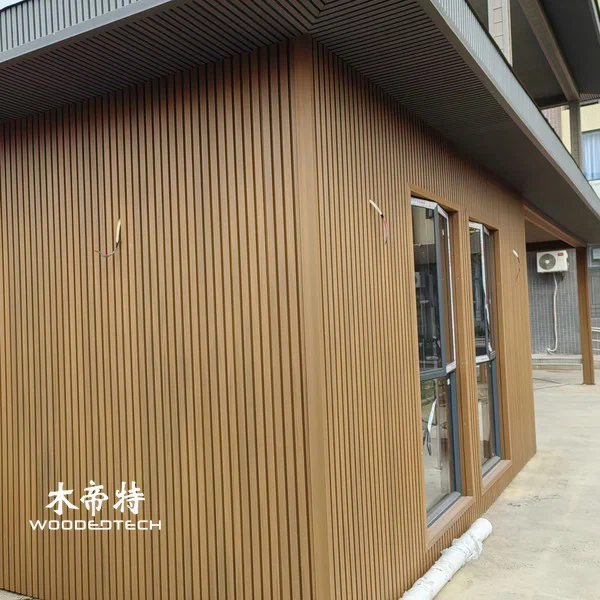
WPC panel systems are a practical choice for projects that need a consistent design language across both interior and exterior surfaces. They combine the look of wood with better moisture resistance, lower maintenance, and reliable performance for commercial and industrial applications.
Why WPC Panel Systems Fit Integrated Projects
For developers, contractors, and B2B buyers, one of the biggest advantages of WPC is design continuity. A project can use matching panels on lobby walls, corridor features, façades, balcony zones, and sheltered outdoor areas without switching materials or visual styles.
WPC, or wood plastic composite, is engineered from wood fibers and polymer materials. That structure gives it a stable, durable form that resists common issues found in natural timber, such as rotting, swelling, and frequent refinishing. For large projects, that translates into lower lifecycle costs and easier procurement planning.

Key Benefits for Interior and Exterior Use
WPC panel systems are valued not only for appearance, but also for performance and installation efficiency. When specified correctly, they can support a wide range of architectural and decorative needs.
Typical advantages include:
- Moisture resistance for humid or semi-outdoor environments
- Stable performance under changing temperatures
- Reduced maintenance compared with natural wood
- Consistent color and surface finish
- Flexible design options for feature walls and façades
- Compatibility with modular, large-scale installation methods
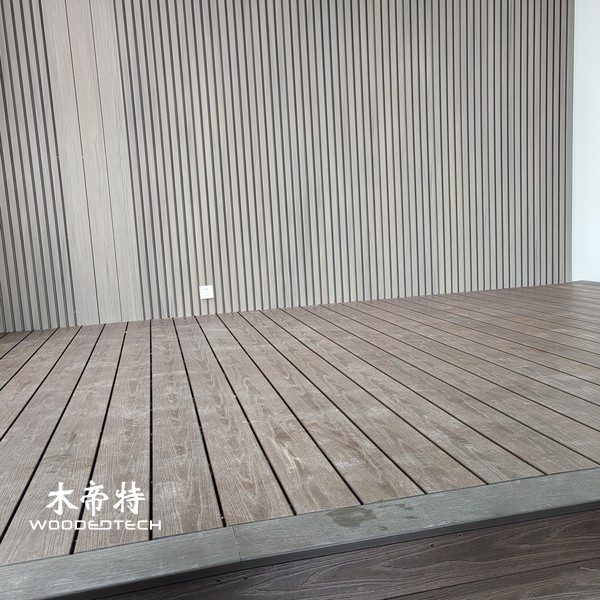

Common Applications Across Building Types
WPC panel systems are widely used in integrated design projects because they bridge decorative and functional requirements. They are especially effective when the same material family is used across multiple zones of a property.
Interior Applications
- Reception feature walls
- Corridor wall cladding
- Meeting room accents
- Lobby and showroom surfaces
- Ceiling details and decorative screens
- Retail and hospitality wall decoration
Exterior Applications
- Building façade accents
- Entrance walls and signage backdrops
- Balcony and terrace wall finishes
- Courtyard and sheltered outdoor walls
- Privacy screens and partition elements
- Exterior decorative cladding for commercial buildings
In many projects, designers use WPC panels to create a unified visual flow from the inside to the outside. This helps the property feel more cohesive and premium, while simplifying material selection.
Material Properties Buyers Should Evaluate
Not all WPC panel systems are the same. For B2B sourcing, it is important to compare specifications carefully rather than focusing only on appearance.
Key factors to review:
- Panel thickness and dimensional stability
- Surface treatment and texture options
- UV resistance for exposed installations
- Fire performance requirements where applicable
- Water absorption and weather resistance
- Color retention under long-term use
- Mounting system compatibility
- Warranty and supplier quality control
For exterior projects, buyers should also verify whether the panels are designed for direct exposure or for covered installation only. In architectural procurement, this distinction matters because it affects long-term performance and compliance.
Design Flexibility for Modern Projects
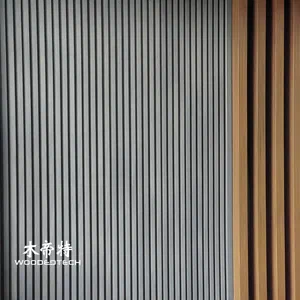
One of the strongest reasons WPC panels continue to grow in popularity is their adaptability. Manufacturers can produce products with wood grain textures, fluted profiles, grooved lines, solid finishes, or co-extruded protective layers. That makes it easier to match project branding and architectural intent.
Design teams often specify WPC panels to achieve:
- A premium wood-look finish without timber maintenance
- A clean vertical or horizontal rhythm on walls
- A contemporary surface for commercial branding
- A strong contrast between metal, glass, stone, and composite materials
- A unified interior-exterior material palette
For projects that require custom dimensions or color matching, many suppliers also offer OEM and private label support. This is useful for developers and distributors that need product consistency across multiple sites or markets.
Installation and Project Efficiency
WPC panel systems are often chosen because they simplify installation and reduce on-site finishing work. Many systems are designed for straightforward fixing methods, which can help reduce labor time and improve repeatability across large projects.
Benefits during installation may include:
- Faster coverage of large wall areas
- Cleaner site execution than painted timber systems
- Reduced need for post-installation treatment
- Easier replacement of individual panels when required
- Compatibility with standard framing or support systems
For exterior use, proper substructure design is essential. Installers should allow for ventilation, movement, drainage, and fastener access according to the panel system used. This is especially important in climates with high humidity, heavy rainfall, or strong sun exposure.
Procurement Considerations for B2B Buyers
For wholesale buyers, distributors, and project specifiers, WPC panel procurement should be based on technical fit, supply capacity, and long-term consistency. Appearance alone is not enough.
Before placing an order, confirm:
- Product specifications and test data
- Lead time and batch consistency
- Color stability across production runs
- Packaging quality for export or long-distance shipping
- Available accessories and mounting components
- After-sales support and documentation
- Project-specific customization options
If the project includes both wall panels and related products such as cladding, louvers, screens, or railing systems, sourcing from one supplier can improve coordination and reduce mismatch risks.
Sustainability and Long-Term Value
Many buyers also evaluate WPC as part of broader sustainability goals. Because it uses recycled or engineered composite content, it can support more resource-efficient material strategies than traditional hardwood use in some applications. It also reduces the need for frequent repainting, sealing, or replacement, which can lower maintenance demand over time.
From a commercial perspective, that means less downtime, fewer maintenance interventions, and a cleaner presentation for tenants or visitors. For property owners, these advantages contribute to better asset value and lower operating costs.
FAQ
Q: Can WPC panel systems be used both indoors and outdoors? A: Yes. Many WPC systems are designed for interior decoration, while selected grades are suitable for exterior wall cladding and sheltered outdoor use.
Q: Are WPC panels suitable for commercial buildings? A: Yes. They are widely used in hotels, offices, retail spaces, public buildings, and mixed-use developments because they are durable and visually versatile.
Q: How do WPC panels compare with natural wood wall finishes? A: WPC generally offers better resistance to moisture, warping, and routine wear, while also reducing ongoing maintenance requirements.
Q: Can WPC panels support custom designs? A: Yes. Many manufacturers offer custom colors, textures, dimensions, and OEM production for project-based or branded applications.
Q: What should buyers check before sourcing WPC panels wholesale? A: Buyers should confirm product specifications, weather resistance, installation method, lead time, color consistency, and supplier quality control.
Related Articles
Related Products
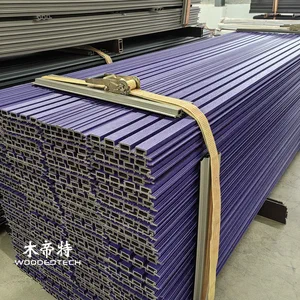
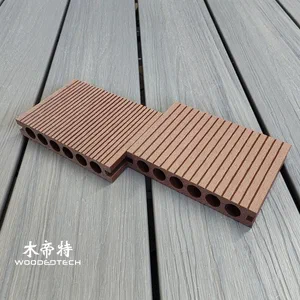 D14025-5 First Generation Large And Small Groove Redwood Color WPC Panel Material With Popular Outdoor Appearance
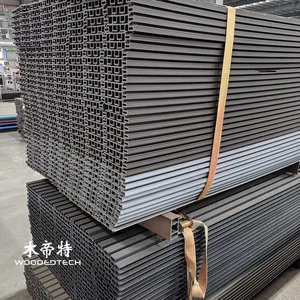
 B14011 WPC Paneling Sheets Feature Double Flat Surfaces with Heat Pressed Wood Grain Designs for Outdoor Styles
 B17010 Plastic Wood Look Siding Provides Decorative Thin Boards for Modern Outdoor Wall Applications