
Understanding WPC: What Material Is It and Its Applications in Industry
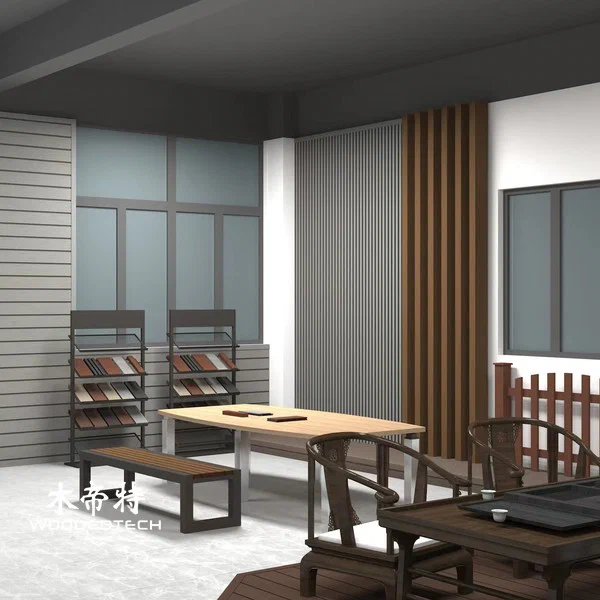
Wood Plastic Composite (WPC) is a versatile material combining wood powder, polymers like HDPE or PVC, and various additives. This combination enhances the durability and weather resistance of outdoor products, making them ideal for a range of applications, from decking to cladding. Understanding how each component contributes to the overall performance of WPC is essential for manufacturers and users alike.
Key Components of WPC
Wood Powder
Wood powder is a primary ingredient in WPC, providing a natural look and feel. It significantly impacts the composite’s strength and stiffness. The quality and type of wood used can influence the final product’s durability. For instance, finer wood powders lead to a smoother surface finish, while coarser powders can enhance structural integrity. Quality control measures should include assessing wood moisture content and particle size distribution to ensure uniformity.
HDPE/PVC Polymers
The choice between High-Density Polyethylene (HDPE) and Polyvinyl Chloride (PVC) plays a crucial role in WPC performance. HDPE is known for its superior impact resistance and flexibility, while PVC offers enhanced rigidity and chemical resistance. Manufacturers often blend these polymers to achieve a balance of properties tailored to specific applications. Routine inspections should focus on polymer purity and melt flow index, which affects processability and performance.
Additives
Additives like UV stabilizers, foaming agents, and fire retardants enhance the WPC’s properties. UV stabilizers protect against sun damage, preventing color fading and surface degradation. Fire retardants improve safety by reducing flammability. Ensuring the right dosage and compatibility of these additives is vital; therefore, batch testing and performance evaluations are essential quality checks.

Pigments
Pigments are added for aesthetic purposes and can also improve weather resistance. High-quality pigments provide long-lasting color and protect against UV light. However, the choice of pigment can impact the composite’s thermal expansion and overall stability. Regular color matching tests and outdoor exposure simulations are recommended to verify colorfastness and weathering performance.
Modifiers
Modifiers, including coupling agents and processing aids, enhance the interaction between wood and polymer components. This results in better adhesion and improved mechanical properties. The effectiveness of modifiers can be assessed through tensile strength and flexural tests, ensuring that the final product meets industry standards.
Practical Factory Inspection Methods
To maintain high-quality WPC products, factories should implement thorough inspection methods at various production stages.
- Raw Material Inspection: Check the quality of wood powder and polymers upon receipt. This includes moisture content analysis and particle size testing.
- In-Process Monitoring: Use real-time monitoring for temperature and pressure during extrusion to ensure proper processing conditions.
- Final Product Testing: Conduct mechanical tests, such as impact resistance and flexural strength, on finished products. Additionally, perform weathering tests, including UV exposure and moisture absorption tests, to evaluate long-term performance.
Quality Standards
Adhering to established quality standards is crucial for WPC manufacturers. Compliance with international standards such as ASTM (American Society for Testing and Materials) and ISO (International Organization for Standardization) ensures that products meet safety and performance expectations. These standards cover various aspects, including mechanical properties, environmental resistance, and safety certifications.
By focusing on the specific contributions of wood powder, polymers, additives, pigments, and modifiers, WPC manufacturers can create durable, weather-resistant products that meet the needs of various outdoor applications. Quality control measures and adherence to industry standards will ensure that these products not only perform well but also stand the test of time.
Related Articles
 The Evolution of Composite Pergola Material: Benefits for Industrial Applications in 2023
 Is Plastic Wood Toxic And What Makes WPC Materials Safe For Outdoor Applications
 Optimal Composite Decking Joists Spacing: Guidelines for 2023 Industrial Applications
 Composite Material Applications for Outdoor Decking Cladding Fencing Furniture and Garden Structures
Related Products
 GD13820 M Shape Co Extruded Composite Deck Planks Feature a Special Profile Design for Distinctive Outdoor Decking Applications
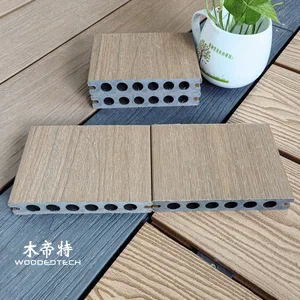 GD13823 Double Sided Flat Surface Co Extruded WPC Decking Features a Popular Width and Thickness with Round Hollow Structure
 GD13823-3 Composite Boards for Decking Are Available in Multiple Stock Colors with 3 Meter Lengths and Single Piece Delivery