
Understanding WPC: What Does WPC Stand For in the Industrial Sector?
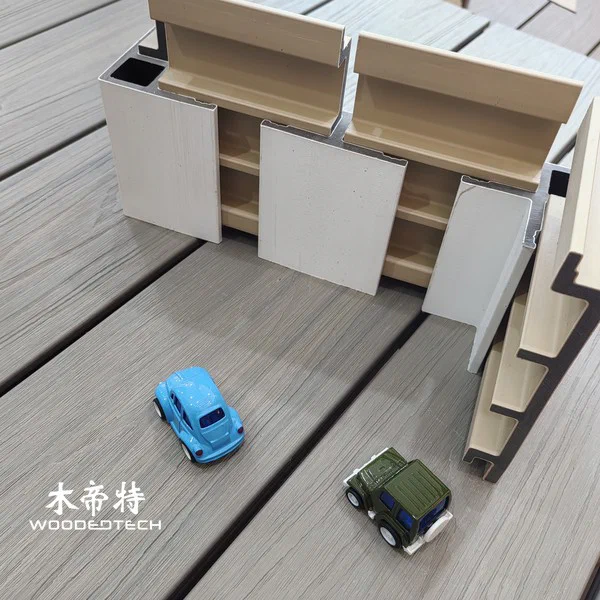
Wood Plastic Composite (WPC) products are increasingly popular in outdoor applications due to their durability and low maintenance requirements. The quality of WPC is significantly influenced by the types of raw materials used, including wood powder, HDPE/PVC polymers, additives, pigments, and modifiers. Understanding how these components affect the performance of WPC can help manufacturers ensure their products meet high standards of durability and weather resistance.
Key Components of WPC
Wood Powder
Wood powder serves as the primary filler in WPC formulations. Its quality and particle size directly impact the mechanical properties of the composite. High-quality wood powder enhances bonding with polymers, resulting in better strength and flexibility. Additionally, the moisture content of the wood powder must be controlled to prevent degradation and ensure the longevity of the final product.
HDPE/PVC Polymers
The choice of polymer—be it HDPE (High-Density Polyethylene) or PVC (Polyvinyl Chloride)—is crucial. HDPE is known for its superior resistance to impact and environmental stress, making it ideal for outdoor usage. Conversely, PVC offers excellent weather resistance and can be more cost-effective. The polymer’s molecular weight and density also influence the WPC’s overall durability, with higher density typically leading to better performance.

Additives
Additives play a vital role in enhancing the properties of WPC. For instance, UV stabilizers protect against sun damage, while antifungal agents prevent biological degradation. Processing aids ensure a smooth manufacturing process, while colorants and pigments can improve aesthetic appeal. It is essential to use high-quality additives to avoid compromising the product’s integrity.
Modifiers
Modifiers can improve the processing characteristics of WPC, making it easier to mold and shape during production. These may include coupling agents that enhance the adhesion between the wood and polymer phases. Proper selection of modifiers can lead to better physical properties, such as increased tensile strength and improved thermal stability.
Practical Factory Inspection Methods
To ensure the quality of WPC products, factories should implement rigorous inspection methods throughout the production process. This includes:
- Raw Material Verification: Testing the wood powder for particle size and moisture content, as well as analyzing the polymers and additives for consistency and quality.
- Mixing Process Control: Monitoring the mixing of materials to ensure uniform distribution of components, which can be done through visual inspections and sampling.
- Extrusion Quality Checks: Regular checks during the extrusion process can help identify any issues with flow or temperature, which can affect the final product’s density and structure.
- Mechanical Testing: Conducting tensile and flexural strength tests on finished products to ensure they meet specified standards for durability.
- Weather Resistance Testing: Subjecting samples to accelerated weathering tests to evaluate their performance under simulated environmental conditions.
Quality Standards for WPC
Quality standards for WPC vary by region, but several key certifications are recognized internationally. Compliance with these standards ensures that products are safe and reliable. For instance:
- ASTM D7032: This standard covers the specifications for wood-plastic composites and includes guidelines for mechanical properties.
- ISO 9001: Adopting this quality management standard can help manufacturers streamline processes and improve product quality.
- EN 15534: This European standard specifies requirements for WPC products, including environmental aspects and performance criteria.
Maintaining adherence to these standards not only enhances product reliability but also builds trust with customers.
The combination of high-quality raw materials, effective inspection methods, and compliance with established standards forms the foundation of durable and high-performing WPC products suitable for outdoor applications. By focusing on these elements, manufacturers can deliver products that stand the test of time and meet the demands of modern consumers.
Related Articles
 Essential Buying Criteria for Decking Composite Boards: A 2023 Guide for Businesses
 Choosing the Right WPC Fence Material: A Comprehensive Guide for Industry Professionals
 Optimizing Composite Decking Layout: Best Practices for Industrial Applications in 2023
 Plastic Wood Deck Floor Offers Low Maintenance And Natural Looking Outdoor Flooring Performance
Related Products
 GD13820 M Shape Co Extruded Composite Deck Planks Feature a Special Profile Design for Distinctive Outdoor Decking Applications
 GD13823-3 Composite Boards for Decking Are Available in Multiple Stock Colors with 3 Meter Lengths and Single Piece Delivery
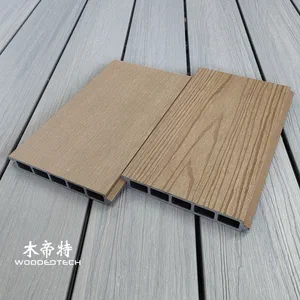 3DGL18024 WPC Longboard Fence Features Premium Co Extruded 3D Embossed Teak Wood Grain Texture with Realistic Natural Wood Fibers