
Understanding WPC Preis m2: A Comprehensive Analysis for Industrial Buyers in 2023
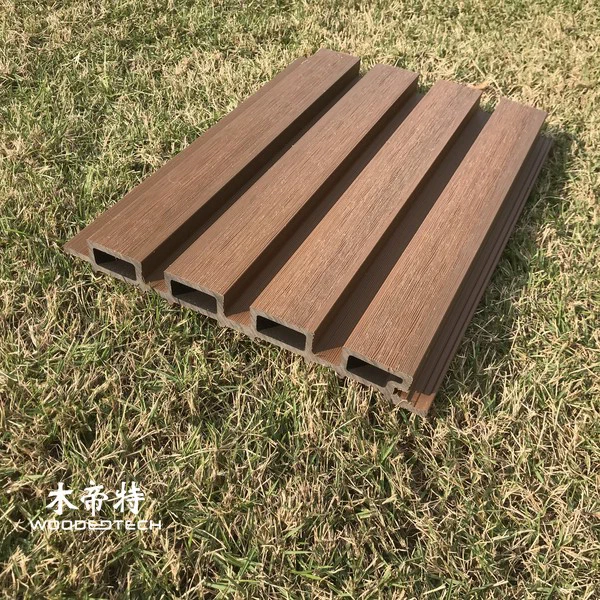
The global market for Wood Plastic Composite (WPC) products, including decking, wall cladding, fencing, and landscaping items, is witnessing significant growth driven by environmental concerns and the demand for durable materials. This analysis focuses on the current trends surrounding WPC pricing, particularly in the context of m2 pricing for industrial buyers in 2023, highlighting future market opportunities.
Current Market Trends in WPC Products

WPC products have gained traction due to their eco-friendly nature, combining recycled wood fibers and plastics. The composite materials offer advantages such as resistance to moisture, fading, and pests, making them ideal for outdoor use. The growing emphasis on sustainable building practices is pushing manufacturers to innovate with WPC solutions that are not only functional but also aesthetically appealing.
The demand for composite decking remains strong, especially as homeowners and businesses seek low-maintenance alternatives to traditional wood. The rise of outdoor living spaces has further accelerated this trend, leading to a broader acceptance of WPC in various applications, including:
- Decking
- Wall cladding
- Fencing
- Pergolas
- Landscape features
Pricing Dynamics for WPC Products
In 2023, the pricing of WPC products is influenced by several factors, including raw material costs, manufacturing techniques, and market competition. Buyers are particularly interested in m2 pricing for various applications. Current prices for WPC materials vary significantly based on quality, brand, and features.
Key elements affecting pricing include:
- Material Composition: Higher quality composites, often featuring a greater percentage of wood fiber, typically command higher prices.
- Manufacturing Process: Innovations like co-extrusion add value and durability, influencing pricing.
- Market Demand: Fluctuations in demand can lead to price adjustments, particularly in peak construction seasons.
Opportunities for Industrial Buyers
The increasing emphasis on green building materials presents significant opportunities for industrial buyers of WPC products. As builders, architects, and landscape designers lean towards sustainable options, the demand for WPC products is expected to grow. Industrial buyers can capitalize on these trends by:
- Exploring Customization: Offering bespoke WPC products tailored to specific project requirements can set suppliers apart in a crowded market.
- Innovating with Design: Incorporating advanced designs, such as 3D embossed patterns in decking and wall cladding, can attract attention and justify higher pricing.
- Investing in Marketing: Promoting the eco-friendly benefits and durability of WPC products can resonate well with environmentally conscious consumers.
Future Outlook
The WPC market is poised for continued expansion as the construction industry increasingly embraces composite materials. Key drivers for growth include:
- Urbanization Trends: As urban areas expand, the need for durable, low-maintenance construction materials will rise.
- Regulatory Support: Government incentives for sustainable building practices may further encourage the adoption of WPC products.
- Technological Advancements: Innovations in material science and manufacturing processes will likely lead to improved product performance and lower production costs.
Related Articles
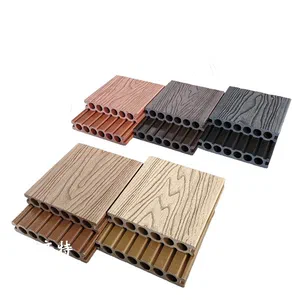 Exploring Composite Decking Images: Trends and Innovations for 2023 B2B Insights
 Essential Guide: How to Care for Composite Deck for Longevity and Performance
 Essential Guide to Composite Deck Board Installation: Best Practices for 2023
 Essential Guide to Installing Wear Deck Composite Decking: Best Practices for 2023
Related Products
 GD13820 M Shape Co Extruded Composite Deck Planks Feature a Special Profile Design for Distinctive Outdoor Decking Applications
 GD13823-3 Composite Boards for Decking Are Available in Multiple Stock Colors with 3 Meter Lengths and Single Piece Delivery
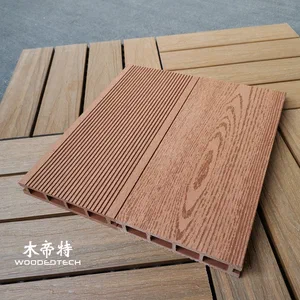 The Classic D14025-4 Red Wood WPC Wood Sheet Features a Timeless 2D Flat Wood Grain Design That Remains Popular After Twenty Years