
Understanding WPC Panel Sizes: A Comprehensive Guide for Industrial Applications
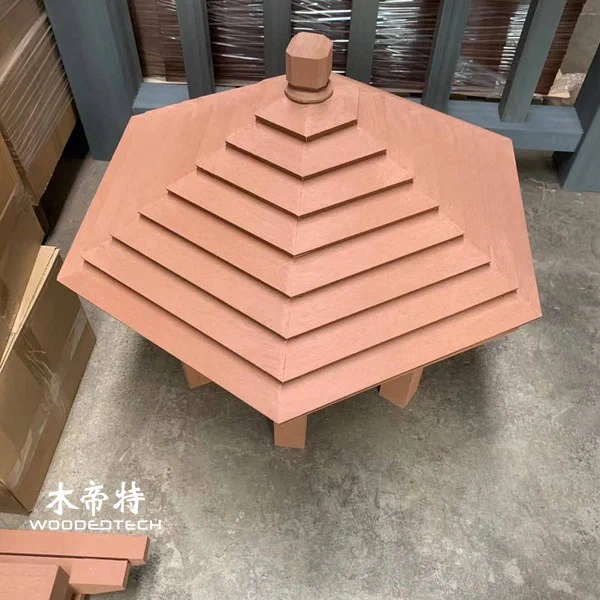
Designing high-performance outdoor wood plastic composite (WPC) formulas requires a careful balance of various components to achieve durability, aesthetic appeal, and cost-effectiveness. This is particularly crucial for applications such as decking, wall cladding, fencing, pergolas, and landscape products. Key factors include wood fiber content, plastic ratio, additives, cost control, and product lifespan.
Balancing Wood Fiber and Plastic Ratio
The core of any WPC formulation lies in its wood fiber and plastic content. Typically, the wood fiber content ranges between 30% and 70%, while the plastic component makes up the remainder. The choice of ratio significantly influences the mechanical properties, aesthetics, and durability of the final product.
Higher wood fiber content can enhance the natural appearance and texture, providing a more authentic wood-like feel. However, excessive fiber can lead to decreased strength and higher moisture absorption, which can compromise performance over time. Conversely, increasing the plastic ratio can improve moisture resistance and longevity but may result in a less natural look.
Finding the right balance is essential. A common approach is to use around 50% wood fiber for decking applications, as it offers a good mix of aesthetics, durability, and cost-effectiveness.
Additives for Enhanced Performance
Incorporating additives into the WPC formulation can significantly improve characteristics such as UV stability, color retention, and surface hardness. Common additives include:
- UV stabilizers to prevent fading and degradation from sunlight exposure
- Anti-oxidants to enhance thermal stability during processing
- Colorants for aesthetic appeal
- Fire retardants for safety compliance
- Processing aids to improve flow during manufacturing
These additives help address specific performance requirements while ensuring the end product meets industry standards.
Cost Control Strategies
Cost management is a critical aspect of WPC formulation development. Raw material prices can fluctuate, impacting overall production costs. Here are some strategies to control costs without compromising quality:
- Select locally sourced wood fibers to reduce transportation costs and environmental impact.
- Optimize the plastic type used; for example, recycled plastics can lower material costs while enhancing sustainability.
- Evaluate the necessity and dosage of additives; using only essential components can prevent over-engineering and reduce expenses.
- Scale production efficiently to benefit from economies of scale.
By implementing these strategies, manufacturers can produce high-quality WPC products that remain competitive in price.
Ensuring Product Lifespan
The longevity of WPC products is paramount for end-users. To enhance lifespan, several factors should be considered:

- The formulation should include anti-fungal and anti-microbial agents to resist degradation from biological factors.
- Proper compounding techniques should be employed to ensure uniform distribution of components, minimizing weak points in the material.
- Consideration of environmental factors during product design—such as exposure to moisture, temperature fluctuations, and UV radiation—will inform the selection of materials and additives.
Regular testing for durability, UV resistance, and moisture absorption should be part of the development process to ensure that the final product meets or exceeds expected lifespan standards.
Careful attention to the balance of wood fiber and plastic content, strategic use of additives, effective cost control, and a focus on product longevity will lead to the successful design of high-performance WPC formulas for a variety of outdoor applications. This thoughtful approach not only enhances product quality but also aligns with market demands for sustainability and performance.
Related Articles
 Wood Plastic Composite Panels for Outdoor Walls Cladding Fences Decking and Architectural Applications
 Exploring the Advantages of WPC Panel Ograde for Industrial Applications in 2023
 WPC Exterior Panels for Attractive Outdoor Walls Building Facades and Exterior Cladding Applications
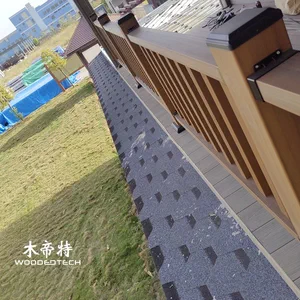 Choosing the Right Composite Deck Planks: A Comprehensive Guide for 2023
Related Products
 GD13823-3 Composite Boards for Decking Are Available in Multiple Stock Colors with 3 Meter Lengths and Single Piece Delivery
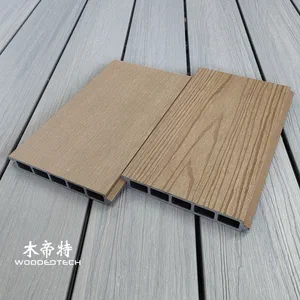 3DGL18024 WPC Longboard Fence Features Premium Co Extruded 3D Embossed Teak Wood Grain Texture with Realistic Natural Wood Fibers
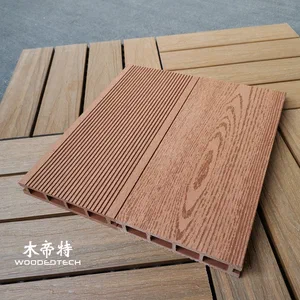 The Classic D14025-4 Red Wood WPC Wood Sheet Features a Timeless 2D Flat Wood Grain Design That Remains Popular After Twenty Years