
Understanding WPC Meaning: A Comprehensive Guide for Industrial Applications in 2023
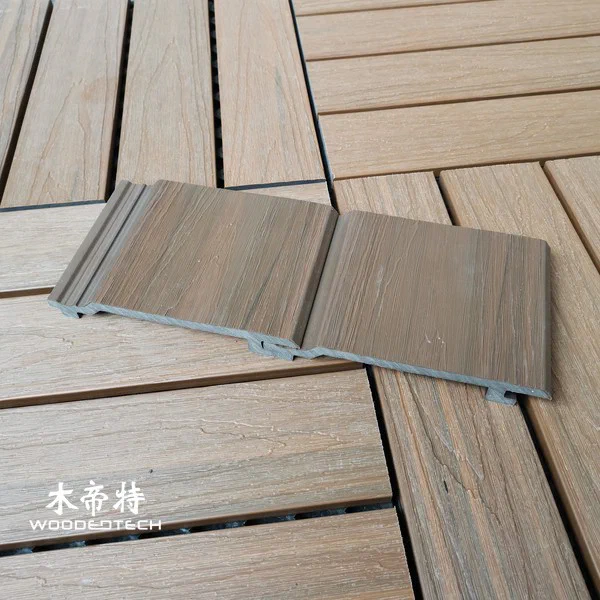
Wood Plastic Composite (WPC) is a versatile material made from a combination of wood fibers and thermoplastics, widely used in outdoor applications such as decking, wall cladding, fencing, pergolas, and landscape products. Designing high-performance WPC formulas involves careful consideration of various factors, including the balance of wood fiber content, plastic ratio, additives, cost control, and the desired product lifespan.
Balancing Wood Fiber and Plastic Ratio
The ratio of wood fiber to plastic is crucial in determining the physical properties and performance of WPC products. Typically, a higher wood content can enhance aesthetic appeal and provide a more natural look, but it may also lead to increased moisture absorption and susceptibility to decay. Conversely, a higher plastic content improves durability and resistance to environmental factors but can compromise the natural appearance and feel.
- Ideal wood fiber content ranges between 30% to 70%, depending on the specific application.
- For decking, a balance of 50% wood and 50% plastic often yields optimal performance, combining aesthetics with durability.
- For products like fencing or structural components, a higher plastic ratio may be more appropriate for enhanced strength and longevity.
Additives for Enhanced Performance
Incorporating additives can significantly improve the performance of WPC formulations. Common additives include:
- UV stabilizers to prevent color fading and degradation from sunlight.
- Anti-fungal agents to inhibit mold and mildew growth, essential for outdoor applications.
- Colorants for aesthetic customization, making it easier to match existing landscapes or design themes.
- Processing aids to improve manufacturability and ease of extrusion.
Selecting the right additives ensures that the final product not only meets aesthetic requirements but also withstands harsh outdoor conditions.
Cost Control Considerations
Cost management plays a vital role in WPC formulation design. The choice of raw materials, additives, and production methods directly impacts the overall cost structure. Key approaches include:

- Sourcing sustainable and cost-effective wood fibers, which can also improve the eco-friendliness of the product.
- Utilizing recycled plastics to reduce material costs and enhance sustainability.
- Streamlining manufacturing processes to minimize waste and operational costs.
Balancing quality and cost requires a thorough understanding of the target market and the competitive landscape.
Product Lifespan and Performance
The intended lifespan of WPC products is a critical factor in formulation design. A well-designed WPC product should last for many years, even in harsh outdoor environments. Factors influencing longevity include:
- Material selection: High-quality plastics and wood fibers contribute to durability and resistance to environmental stressors.
- Surface treatments: Technologies like co-extrusion can enhance surface performance, providing additional protection against wear, stains, and moisture.
- Regular maintenance considerations: Designing products that require minimal upkeep can significantly extend their functional lifespan.
By focusing on these elements, manufacturers can create WPC products that meet customer expectations for durability and longevity.
The development of high-performance WPC formulas involves a multifaceted approach that balances wood fiber content, plastic ratios, additives, cost control, and product lifespan. Understanding these dynamics is essential for producing reliable and aesthetically pleasing outdoor products, ensuring that they meet both consumer needs and market demands.
Related Articles
 Plastic Wood Composite Sheets Provide Versatile Materials For Outdoor Construction And Decoration
 Understanding Composite Deck Boards Thickness: Key Considerations for 2023 Buyers
 Understanding Composite Decking Stairs Cost: A Comprehensive Guide for 2023
 Essential Guide to Selecting WPC Door Frames: Key Considerations for 2024
Related Products
 GD13820 M Shape Co Extruded Composite Deck Planks Feature a Special Profile Design for Distinctive Outdoor Decking Applications
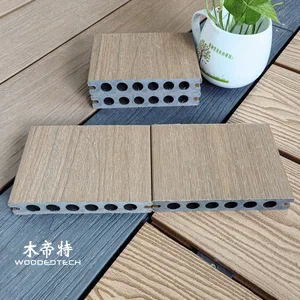 GD13823 Double Sided Flat Surface Co Extruded WPC Decking Features a Popular Width and Thickness with Round Hollow Structure
 GD13823-3 Composite Boards for Decking Are Available in Multiple Stock Colors with 3 Meter Lengths and Single Piece Delivery