
Understanding WPC Fence Prices: Key Factors Influencing Cost for Businesses in 2023
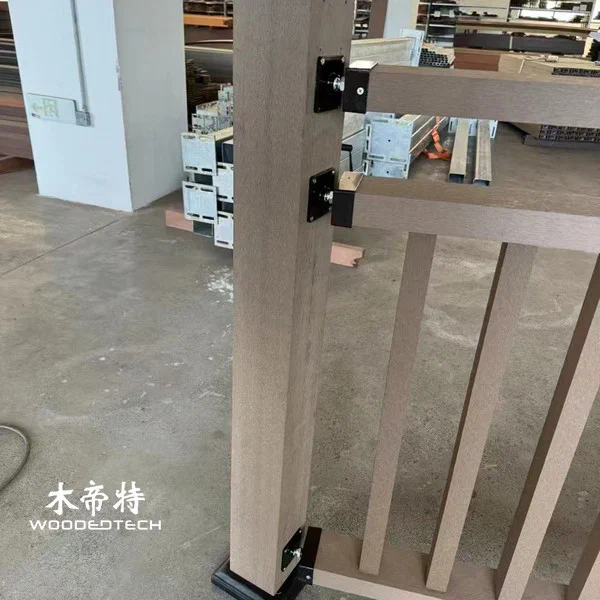
Understanding the pricing of Wood Plastic Composite (WPC) fences requires knowledge of several key factors that influence costs. In 2023, businesses must consider material quality, manufacturing processes, market demand, and other essential elements when evaluating WPC fence prices.
Material Composition
The primary factor affecting the price of WPC fences is the quality of materials used in their production. WPC is typically made from a blend of wood fibers and recycled plastic, which can vary in proportion. Higher wood content often leads to better aesthetics and durability, while a higher percentage of plastic can enhance weather resistance and longevity. Manufacturers offering premium-grade materials tend to charge more, but the investment can result in lower maintenance costs and a longer lifespan for the product.
Production Techniques
The methods employed in the manufacturing of WPC fences significantly impact costs. Advanced production techniques, such as co-extrusion, can produce fences with enhanced durability and aesthetic appeal. This process creates a protective layer around the core material, making the product more resistant to fading, scratching, and moisture absorption. While these advanced manufacturing methods may increase upfront costs, they often lead to savings in the long run through reduced maintenance and replacement needs.
Order Volume and Customization
Order size plays a critical role in pricing. Bulk orders typically attract discounts, allowing businesses to secure a better rate per unit. Moreover, customization requests, such as unique colors, textures, or designs, can influence costs. Businesses looking for bespoke solutions should budget for additional fees associated with design and production modifications. Working closely with manufacturers to understand pricing structures related to order volume and customization can help businesses plan their budgets effectively.

Market Demand and Trends
The demand for WPC products fluctuates based on market trends, seasonal factors, and consumer preferences. In recent years, there has been a surge in demand for eco-friendly building materials, pushing prices higher due to increased interest in sustainable products. Manufacturers need to adjust their pricing strategies according to market conditions. Keeping an eye on industry trends and anticipating shifts in consumer behavior can help businesses make informed purchasing decisions.
Logistics and Shipping Costs
For international customers, shipping and logistics also impact the overall cost of WPC fences. Factors such as distance, shipping method, and customs fees can add significantly to the final price. It’s essential for businesses to factor in these costs when budgeting for WPC fence purchases. Collaborating with manufacturers that offer comprehensive logistics support can help streamline the process and potentially reduce shipping expenses.
Quality Assurance and Warranty
Investing in WPC fences from reputable manufacturers often comes with the added benefit of quality assurance and warranties. These assurances can protect businesses from unexpected costs associated with product defects or failures. A strong warranty can be a sign of confidence from the manufacturer regarding their products’ durability and performance. Therefore, while the initial price may be higher, the long-term value can be greater when considering potential warranty claims and product longevity.
By understanding these key factors influencing WPC fence prices, businesses can make more informed decisions that align with their budgets and long-term goals. This knowledge not only aids in securing better pricing but also ensures that the selected products meet the necessary quality and performance standards for international markets.
Related Articles
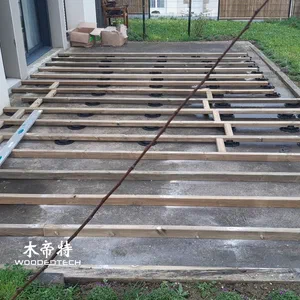 Understanding WPC Wood Planks Price: A Comprehensive Guide for 2023
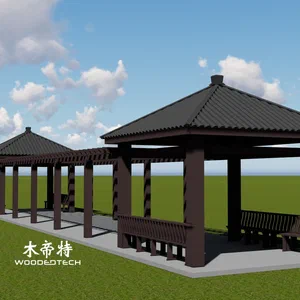 wpc fence price Guide 2026: Cost Analysis for Industrial Buyers
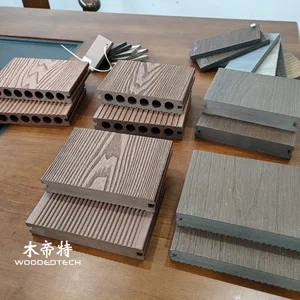 Exploring the Benefits of WPC Panels from China: A Comprehensive Guide for B2B Buyers
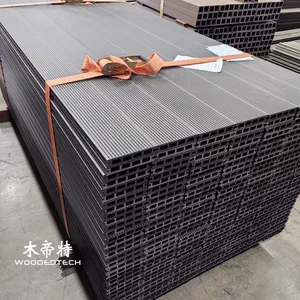 Choosing the Right WPC Fence Material: A Comprehensive Guide for Industry Professionals
Related Products
 GD13823-3 Composite Boards for Decking Are Available in Multiple Stock Colors with 3 Meter Lengths and Single Piece Delivery
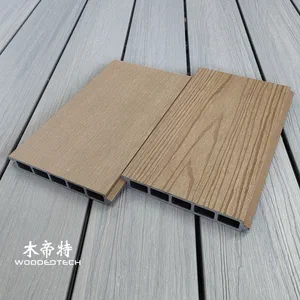 3DGL18024 WPC Longboard Fence Features Premium Co Extruded 3D Embossed Teak Wood Grain Texture with Realistic Natural Wood Fibers
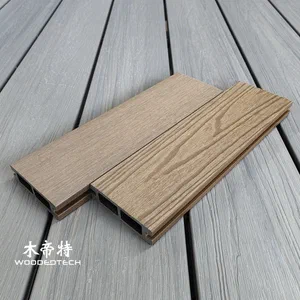 3DGL9024 Composite Fence Features Premium Co Extruded 3D Embossed Teak Wood Grain Texture with Realistic Natural Wood Fibers