
Understanding WPC Compound: Innovations and Applications for 2024 in the Industrial Sector
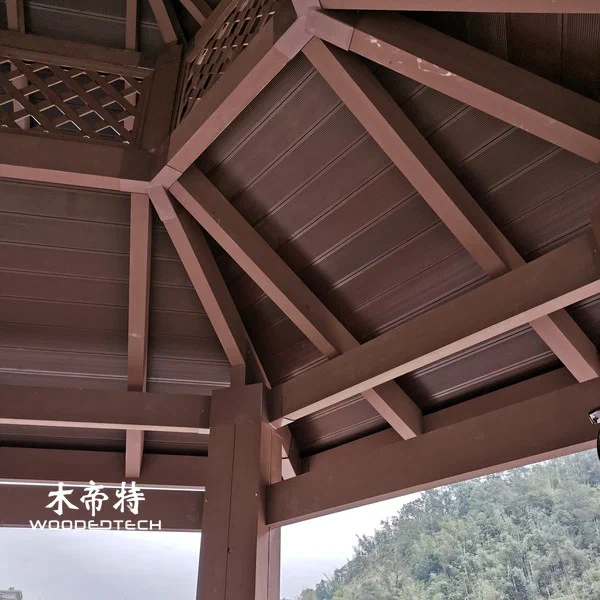
Designing high-performance wood plastic composites (WPC) for outdoor applications such as decking, wall cladding, fencing, pergolas, and landscape products requires a careful balance of various components. The goal is to optimize the performance characteristics while maintaining cost efficiency and ensuring longevity.
Key Components in WPC Formulation
The primary materials in WPC formulations are wood fibers and plastics. The ratio of these components significantly influences the performance of the final product. Generally, a higher wood fiber content can enhance the aesthetic appeal and improve the material’s environmental footprint, as wood is a renewable resource. However, excessive wood content may lead to issues such as reduced durability and moisture resistance.
On the other hand, increasing the plastic content can improve the product’s weather resistance, UV stability, and overall longevity. A common approach is to maintain a wood to plastic ratio of about 60:40, although this may vary based on specific application requirements.
Additives for Enhanced Performance
Additives play a crucial role in WPC formulations. They can enhance properties such as fire resistance, UV stability, and microbial resistance. For instance, incorporating UV stabilizers helps prevent color fading and degradation from sunlight exposure. Additionally, anti-fungal agents can be added to combat mold and mildew, which can be particularly problematic in outdoor settings.
Other additives, such as lubricants, can improve the processing characteristics of the material, making it easier to mold and extrude. These additives can also help reduce friction during the manufacturing process, which is essential for maintaining the quality of the finished product.
Cost Control Strategies
Cost management is vital in WPC formulation development, especially when targeting the competitive outdoor products market. One effective strategy is to source raw materials locally, which can significantly reduce transportation costs. Additionally, utilizing recycled plastics can not only lower material costs but also appeal to environmentally conscious consumers.
Formulating with a blend of different wood fibers can also help optimize costs. For example, using lower-cost wood fibers for bulk can allow for a smaller percentage of higher-quality fibers to be incorporated for aesthetics, balancing performance and cost.
Product Lifespan and Durability
The lifespan of WPC products is influenced by the choice of materials and additives. A well-designed WPC product can last over 25 years with minimal maintenance, making it a cost-effective solution in the long run. Factors that contribute to longevity include resistance to moisture, rot, and insects.

To ensure durability, it’s essential to conduct rigorous testing of the formulations under various environmental conditions. This testing helps identify potential weaknesses in the material and allows for adjustments to be made in the formulation process.
Innovations in WPC Technology
In recent years, innovations in WPC technology have led to the development of co-extrusion processes, which involve creating a protective outer layer around the core material. This layer can enhance the product’s resistance to scratching and staining, making it ideal for high-traffic outdoor applications.
Additionally, advancements in surface treatments, such as 3D embossing, have made it possible to achieve aesthetically pleasing finishes that mimic the look of natural wood while maintaining the benefits of WPC. These innovations are crucial for meeting the growing demand for both functional and visually appealing outdoor products.
The balance between wood fiber content, plastic ratio, additives, cost control, and product lifespan is essential for designing high-performance WPC formulations. By carefully considering each of these factors, manufacturers can produce durable, attractive, and cost-effective outdoor solutions that meet the evolving needs of the market.
Related Articles
 Composite Decking 5 Metre Lengths Provide Seamless Installation Options for Large Outdoor Areas
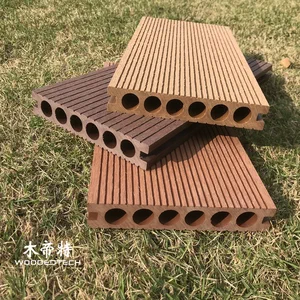 Outdoor Comfort Wood Plastic Deck Veneer with Enhanced Foot Feel
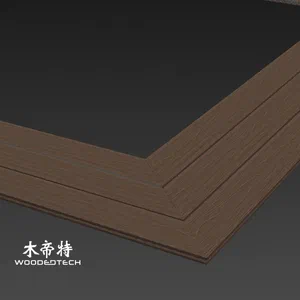 Enhancing Outdoor Spaces: Composite Deck Solutions for Above Ground Pools in 2023
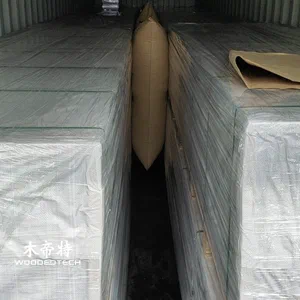 Enhancing Safety and Aesthetics: Composite Deck Steps for Commercial Spaces in 2023
Related Products
 GD13820 M Shape Co Extruded Composite Deck Planks Feature a Special Profile Design for Distinctive Outdoor Decking Applications
 GD13823 Double Sided Flat Surface Co Extruded WPC Decking Features a Popular Width and Thickness with Round Hollow Structure
 GD13823-3 Composite Boards for Decking Are Available in Multiple Stock Colors with 3 Meter Lengths and Single Piece Delivery