
Understanding WPC Board Size and Price: A Comprehensive Guide for 2023
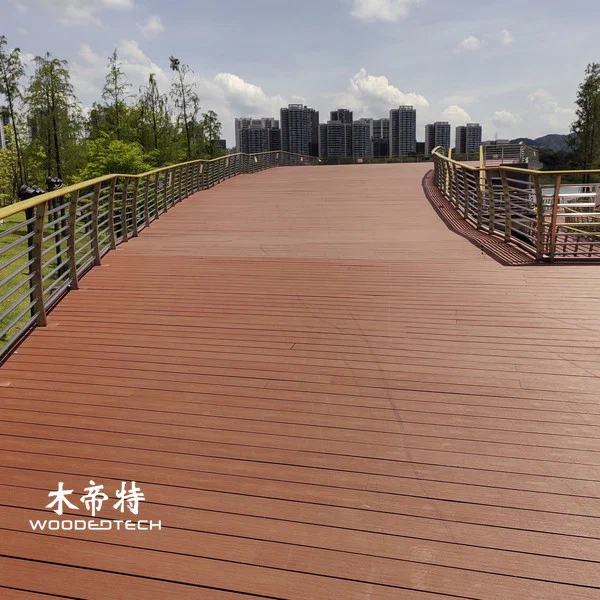
Designing high-performance outdoor wood plastic composite (WPC) formulas requires a careful balance of materials and additives tailored for specific applications such as decking, wall cladding, fencing, pergolas, and landscape products. The goal is to achieve a product that offers durability, aesthetic appeal, and cost-effectiveness.
Key Components of WPC Formulas
The primary components of WPC formulas are wood fibers and plastic. The proportion of these materials is crucial. Typically, a higher wood fiber content enhances the natural appearance and provides weight, making the product feel more substantial underfoot. However, too much wood can lead to moisture absorption and potential degradation, while higher plastic content increases resistance to weathering and enhances longevity.
- Wood Fiber Content: Generally ranges from 30% to 70%.
- Plastic Ratio: Commonly includes polyethylene, polypropylene, or PVC, which can be adjusted based on desired properties.
Additives for Performance Enhancement

Additives play a significant role in enhancing the performance characteristics of WPC products. These can include:
- UV stabilizers to protect against sun damage.
- Anti-fungal agents to prevent mold and mildew growth.
- Colorants for aesthetic appeal.
- Fire retardants for safety compliance.
Each additive should be carefully selected to avoid compromising the composite’s integrity while maximizing its performance.
Cost Control Strategies
Balancing material quality with cost is vital for competitive pricing in the market. Utilizing recycled materials can lower costs and appeal to environmentally conscious consumers. Bulk purchasing of raw materials and establishing long-term supplier agreements can also help control expenses. However, care must be taken to ensure that cost-cutting does not negatively impact product performance or lifespan.
Product Lifespan Considerations
The longevity of WPC products is influenced by their formulation. A well-designed WPC product should last for many years under various environmental conditions. Factors affecting lifespan include:
- Moisture resistance: Properly treated wood fibers and high-quality plastic can significantly extend product life.
- Surface treatments: Co-extrusion techniques can enhance surface durability against scratches and fading.
Regular maintenance, such as cleaning and periodic sealing, can also prolong the life of WPC products.
Application-Specific Design
Different applications necessitate unique design considerations. For example, decking products may require a higher slip resistance compared to wall cladding, which may prioritize aesthetic features. Fencing and pergolas might focus on structural integrity and stability. Understanding the specific needs of each application allows for targeted development of WPC formulations that meet performance expectations.
Related Articles
 Premium Composite Deck for Sale: Enhance Your Industrial Projects in 2023
 Key Considerations for Choosing Plastic Extrusion Profiles in 2023: A Comprehensive Guide
 How To Complete Wood Plastic Decking Installation With Proper Methods And Tools
 How To Install Wood Plastic Composite Decking With Professional Techniques
Related Products
 GD13823-3 Composite Boards for Decking Are Available in Multiple Stock Colors with 3 Meter Lengths and Single Piece Delivery
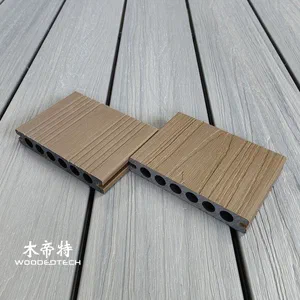 GD13823-3 Teak TK Co Extruded Decking Is a Popular Choice from Composite Decking Suppliers for Outdoor Flooring Projects
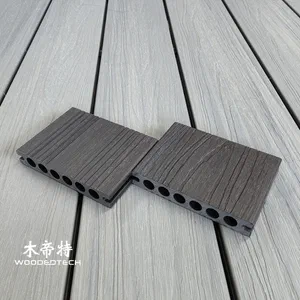 GD13823-3 Walnut WN Co Extruded Decking Features a Dark Rich Color That Helps Resist Visible Dirt and Stains