
Understanding Wood Plastic Composites: Key Benefits and Applications in 2023
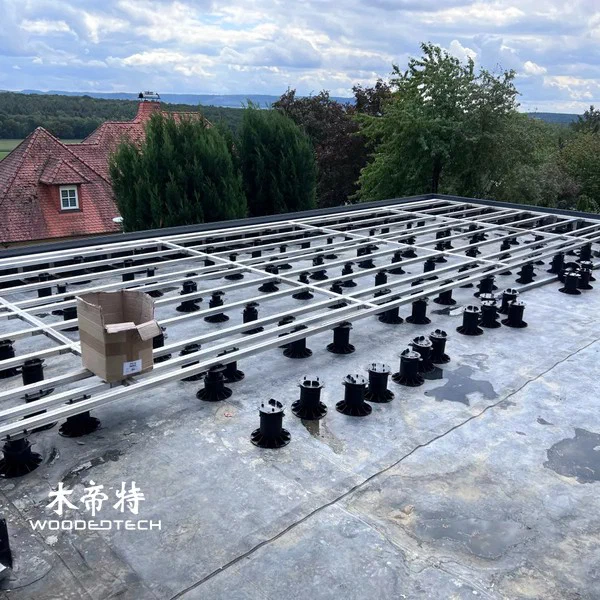
Wood Plastic Composites (WPCs) have revolutionized outdoor applications, combining the natural aesthetics of wood with the durability of plastic. This article delves into the formulation of high-performance WPCs, focusing on their use in decking, wall cladding, fencing, pergolas, and landscape products, while emphasizing the delicate balance between wood fiber content, plastic ratios, additives, cost control, and product lifespan.
Formulation Basics

Creating effective WPC formulations involves precise ratios of wood fibers and plastic. The wood fiber provides the aesthetic appeal and structural integrity, while the plastic component offers protection against moisture, UV exposure, and insects. A typical formulation might consist of:
- 50-70% wood fiber
- 30-50% thermoplastic (like PE or PVC)
- Additives (stabilizers, colorants, UV inhibitors)
Finding the right balance is crucial. A higher wood content can enhance the natural look and feel but may reduce durability if the plastic does not sufficiently protect against environmental factors. Conversely, too much plastic can lead to a synthetic appearance and less environmental sustainability.
Additives and Their Roles
Additives play a pivotal role in enhancing the performance of WPCs. They can be categorized into several types:
- UV Stabilizers: Protect against degradation from sunlight, preserving color and structural integrity.
- Antioxidants: Prevent thermal degradation during processing and extend the lifespan of the composite.
- Colorants: Allow for customization of appearance, ensuring products meet market demands.
- Processing Aids: Facilitate easier manufacturing, improving flow characteristics during extrusion or molding.
Selecting the right additives not only improves performance but also helps control costs by optimizing the manufacturing process.
Cost Control Strategies
Cost control is essential in WPC formulation development. Balancing high-quality materials with cost-effective alternatives can be achieved through:
- Sourcing Secondary Raw Materials: Using recycled wood fibers or plastics can lower material costs and appeal to eco-conscious consumers.
- Optimizing Formulation: Adjusting the ratios of wood to plastic and experimenting with different additives can lead to more cost-efficient formulations without compromising quality.
- Scaling Production: Larger production runs can reduce per-unit costs, making WPCs more competitive against traditional materials.
Product Lifespan Considerations
The lifespan of WPC products is influenced by several factors, including environmental exposure and the formulation itself. To enhance durability, manufacturers should consider:
- Moisture Resistance: Ensuring that the plastic component effectively repels moisture helps prevent issues like warping and mold growth.
- Thermal Stability: Additives that improve thermal resistance can extend the product’s lifespan in varying climates.
- Mechanical Properties: Ensuring the composite can withstand stress and strain through proper reinforcement leads to longer-lasting products.
Testing formulations under various environmental conditions is crucial to predict product lifespan accurately.
Conclusion
The development of high-performance WPC formulas for outdoor applications involves a careful blend of materials, additives, and strategic planning. Balancing wood fiber content and plastic ratios, while incorporating effective additives, allows manufacturers to create products that not only meet aesthetic and functional expectations but also maintain cost-effectiveness and longevity. As the industry evolves, innovative formulations will continue to enhance the appeal of WPCs in the outdoor market.
Related Articles
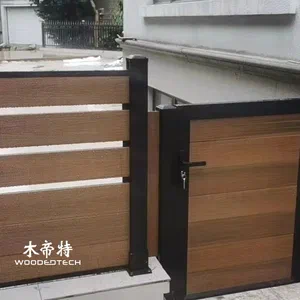
Related Products
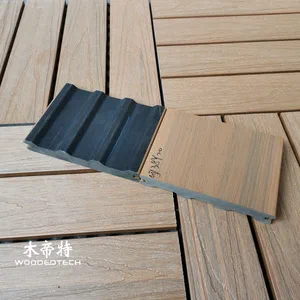 GD13820 M Shape Co Extruded Composite Deck Planks Feature a Special Profile Design for Distinctive Outdoor Decking Applications
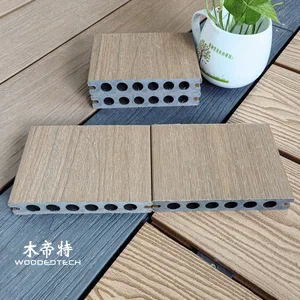 GD13823 Double Sided Flat Surface Co Extruded WPC Decking Features a Popular Width and Thickness with Round Hollow Structure
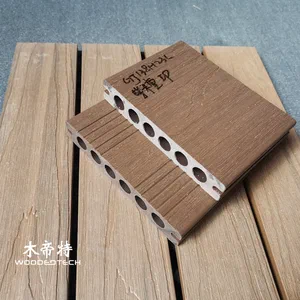 GD13823-3 Composite Boards for Decking Are Available in Multiple Stock Colors with 3 Meter Lengths and Single Piece Delivery