
Understanding the Price of Composite Decking per Square Foot: A 2023 Guide for Businesses
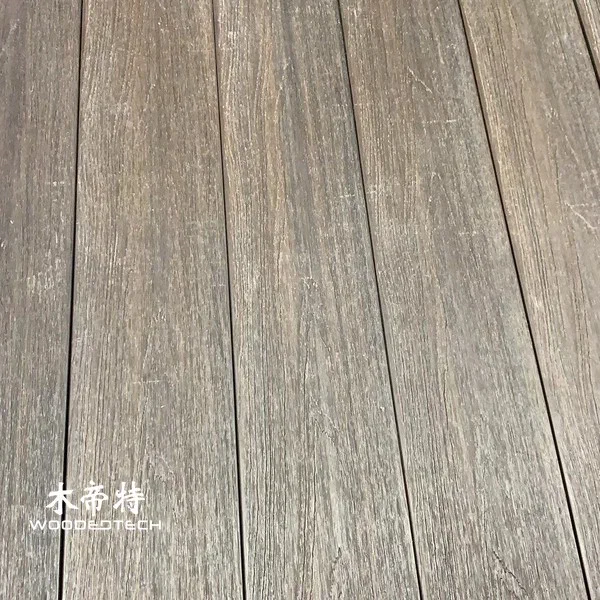
Composite decking is a popular choice for outdoor spaces due to its durability, low maintenance requirements, and aesthetic appeal. Understanding the factors that influence its price per square foot is essential for businesses looking to invest in these materials. Key components like wood powder, HDPE/PVC polymers, additives, pigments, and modifiers play significant roles in determining both the performance and cost of composite decking.
Key Components of Composite Decking
The primary components of composite decking include wood powder and polymers such as HDPE (high-density polyethylene) or PVC (polyvinyl chloride). Each plays a crucial role in the overall quality and performance of the product.
Wood Powder: This natural filler contributes to the aesthetics of the decking, giving it a wood-like appearance. Additionally, it affects the mechanical properties, including strength and flexibility. However, the quality and source of wood powder can significantly influence durability and resistance to decay.
HDPE/PVC Polymers: These synthetic materials provide the core structure of the decking. HDPE is known for its excellent weather resistance and durability, while PVC offers superior moisture resistance. The choice between these materials can affect the cost due to their varying manufacturing processes and raw material availability.
Additives and Pigments
Additives are essential in enhancing the performance of composite decking. They can improve characteristics such as UV resistance, color stability, and fire retardancy. For instance, UV stabilizers help prevent fading and degradation from sunlight, extending the lifespan of the product.
Pigments provide color and visual appeal, contributing to the aesthetic value of the decking. The type and quality of pigments used can influence the final product’s cost. High-quality pigments ensure better color retention and resistance to fading, which are critical for outdoor applications.
Modifiers and Their Impact
Modifiers are often used to enhance specific properties of composite decking. These can include impact modifiers, which improve the material’s toughness, and processing aids that facilitate manufacturing. The incorporation of such modifiers can add to the overall cost but may result in a product that performs better under various conditions.
Durability and Weather Resistance
Durability is a significant concern for businesses considering composite decking. The combination of high-quality wood powder and robust polymers can result in a material that withstands the test of time, resisting warping, cracking, and splintering. Weather resistance is equally vital, as outdoor decking is exposed to elements like rain, snow, and UV radiation.
To ensure product durability, manufacturers often adhere to quality standards such as ASTM (American Society for Testing and Materials) specifications. These standards evaluate properties like tensile strength, moisture absorption, and UV stability, ensuring that the final product meets industry benchmarks.
Factory Inspection Methods
Quality control in a composite decking factory involves several inspection methods to ensure that materials meet established standards.
Raw Material Testing: Before production, raw materials are tested for quality. This includes checking the moisture content of wood powder and evaluating the properties of polymers and additives.
In-Process Inspections: During production, periodic checks are conducted to monitor the consistency of the mixture and the extrusion process. This helps catch any deviations early, ensuring product uniformity.
Final Product Testing: After manufacturing, finished products are subjected to tests for durability, slip resistance, and color consistency. This is critical for guaranteeing that the decking will perform well in outdoor environments.
Compliance Checks: Regular audits are conducted to ensure that production processes align with regulatory standards and company policies. This ensures that the products not only perform well but are safe for consumer use.
Incorporating these quality control measures can significantly impact the final price per square foot of composite decking. Businesses that prioritize high-quality materials and rigorous testing may find that the initial investment leads to better long-term performance and customer satisfaction.

Related Articles
 Composite Decking Price Compared to Wood: A Comprehensive Analysis for 2023
 How Much Does a 20x20 Composite Deck Cost and What Factors Affect the Price
 Choosing the Right Composite Deck Boards for Steps: A Comprehensive Guide for 2023
 Understanding Composite Deck Boards Thickness: Key Considerations for 2023 Buyers
Related Products
 GD13820 M Shape Co Extruded Composite Deck Planks Feature a Special Profile Design for Distinctive Outdoor Decking Applications
 GD13823 Double Sided Flat Surface Co Extruded WPC Decking Features a Popular Width and Thickness with Round Hollow Structure
 GD13823-3 Composite Boards for Decking Are Available in Multiple Stock Colors with 3 Meter Lengths and Single Piece Delivery