
Understanding the Costs: How Much Do Composite Deck Boards Cost in 2023?

Composite deck boards, often made from a blend of wood fibers and plastic, have gained popularity as an alternative to traditional materials like natural wood, traditional timber, and aluminum. In 2023, understanding the costs associated with these materials is crucial for making informed decisions for outdoor projects. This overview will compare composite deck boards with other options, highlighting costs, maintenance, and lifecycle considerations.
Cost Comparison
When considering installation costs, composite decking typically falls between natural wood and aluminum. The price range for composite deck boards can be anywhere from $3 to $12 per linear foot, depending on quality, brand, and features. In contrast, natural wood, such as cedar or redwood, can range from $2 to $8 per foot, while aluminum can start at about $7 and go up to $15 per foot, making it one of the pricier options.
The upfront costs of composite materials may be higher than traditional wood, but many buyers find the long-term savings due to reduced maintenance and extended lifespan to be beneficial.
Advantages of Composite Decking
- Durability: Composite decking is resistant to rot, splintering, and insect damage, which can be significant issues with natural wood.
- Low Maintenance: Unlike wood, composite does not require regular staining, sealing, or painting. A periodic wash with soap and water is often sufficient.
- Consistent Appearance: Composite boards are available in a variety of colors and finishes, ensuring a uniform look that doesn’t fade or warp over time.
- Eco-Friendly Options: Many composite products are made from recycled materials, making them a sustainable choice.
Disadvantages of Composite Decking
- Heat Retention: Composite materials can become hot in direct sunlight, making them less comfortable for bare feet compared to natural wood.
- Cost: The initial investment in composite can be higher than wood, which may deter some buyers despite long-term savings.
- Limited Repair Options: Composite boards cannot be sanded or refinished like wood. If damaged, the entire board may need to be replaced.
Maintenance Considerations
Natural wood requires significant maintenance to keep it looking good and to extend its lifespan. This includes regular cleaning, sealing, and treating for pests. In contrast, composite decking requires minimal upkeep. A simple cleaning routine is usually sufficient to maintain its appearance.
However, it’s important to note that some composite products can stain or fade over time, especially if not cleaned regularly. Homeowners should choose high-quality brands with UV protection and consider using a protective cleaner designed for composite materials.
Lifecycle Costs
When evaluating lifecycle costs, it’s essential to consider both initial investment and long-term maintenance expenses. Natural wood may appear cheaper upfront but can incur high costs over time due to maintenance and replacement needs. Composite decking, while more expensive initially, typically lasts longer and requires less maintenance, leading to lower overall costs.

Aluminum, while durable, can also be costly both in terms of installation and aesthetics, as it might not offer the same warmth and natural look desired in outdoor spaces.
For many homeowners, the choice between composite decking and other materials boils down to balancing upfront costs with long-term benefits. Analyzing the specific needs of each project can help in making the best decision.
Related Articles

Related Products
 GD13820 M Shape Co Extruded Composite Deck Planks Feature a Special Profile Design for Distinctive Outdoor Decking Applications
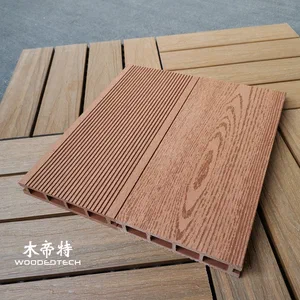 The Classic D14025-4 Red Wood WPC Wood Sheet Features a Timeless 2D Flat Wood Grain Design That Remains Popular After Twenty Years
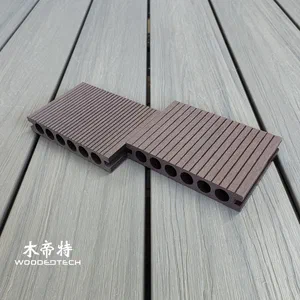 The D14025-6 Composite Decking 2 x 4 Features a Practical Walnut Design with Double-Sided Large and Small Grooves for Versatile Outdoor Applications