
Understanding the Cost: What Price is Composite Decking in 2023?
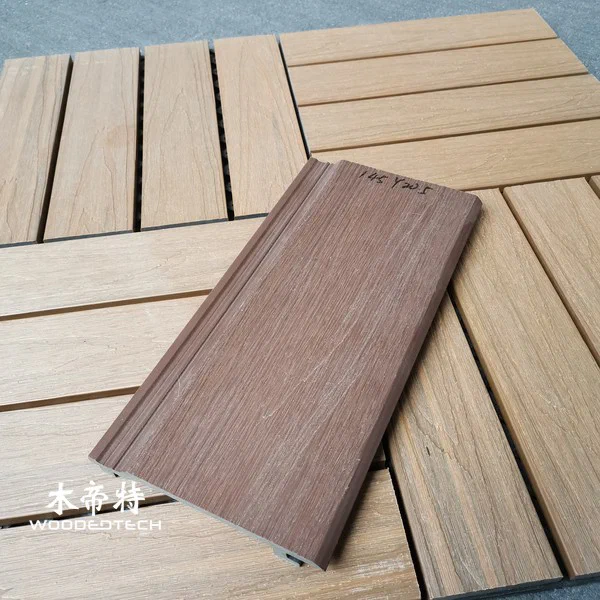
Composite decking, particularly wood plastic composites (WPC), is gaining traction as a popular choice for outdoor spaces in 2023. It offers a blend of aesthetics and functionality, making it an attractive alternative to traditional materials such as natural wood, traditional timber, aluminum, and other exterior materials. This article compares these options based on their advantages, disadvantages, maintenance needs, and lifecycle costs.
Advantages of Composite Decking
Composite decking is renowned for its low maintenance requirements. Unlike natural wood, it doesn’t require regular staining or sealing. It is resistant to rot, splintering, and insect damage, making it a durable choice for outdoor environments. Additionally, WPC materials are often designed to be slip-resistant and can withstand moisture, which is particularly beneficial for poolside applications.
Another significant advantage is the variety of styles and colors available. Composite decking can mimic the look of natural wood while providing greater durability. This flexibility allows homeowners to choose a design that complements their outdoor aesthetic without the drawbacks associated with traditional wood.
Disadvantages of Composite Decking
Despite its many benefits, composite decking does have some drawbacks. It can be more expensive upfront than traditional wood, which may deter budget-conscious buyers. Additionally, while it is designed to resist fading, some lower-quality composites might not hold up well to UV exposure over time.
Another consideration is that composite decking can retain heat more than natural wood, which may make it uncomfortable to walk on in direct sunlight. It also requires proper ventilation and drainage to prevent mold growth, which some homeowners may overlook.
Comparison with Natural Wood and Traditional Timber
Natural wood, while beautiful and classic, demands significant maintenance. It requires regular staining, sealing, and treatment to combat rot and insects. Additionally, natural wood can be prone to warping and cracking over time, particularly in harsh weather conditions. While it is a renewable resource, using sustainably sourced wood is crucial to minimize environmental impact.
Traditional timber, which encompasses a broader range of materials, shares many of the same maintenance challenges as natural wood. However, certain types of treated timber can offer improved durability and resistance to environmental factors. Still, the longevity of timber is often less than that of composite materials, leading to potentially higher lifecycle costs in the long run.
Advantages of Aluminum and Other Exterior Materials
Aluminum is another popular option for outdoor applications. It boasts exceptional durability and is resistant to corrosion, making it an excellent choice for coastal environments. Unlike wood, aluminum does not require painting or staining, translating to lower maintenance costs. However, it can be prone to denting and may not provide the same aesthetic warmth as wood or composite options.
Other materials such as PVC and vinyl also offer low maintenance and weather resistance, but they often lack the natural appearance of wood. While they may be less expensive initially, their aesthetic limitations can affect property value and appeal.
Lifecycle Costs
When considering lifecycle costs, composite decking often proves to be a cost-effective investment. Although the initial price may be higher than that of natural wood or traditional timber, the reduced maintenance requirements and enhanced durability can lead to lower costs over time. Homeowners can save on maintenance expenses, and composite materials typically have longer lifespans, further enhancing their value.
In contrast, natural wood and timber may seem cheaper initially but can become more expensive due to ongoing maintenance and replacement costs. Aluminum and other materials may have upfront costs comparable to composite decking but lack the warmth and character that many homeowners seek in outdoor spaces.
Choosing the right material for outdoor decking or cladding involves weighing these various factors carefully. Composite decking provides an appealing balance of aesthetics, durability, and low maintenance, making it a worthy consideration for any outdoor project.

Related Articles
 Understanding Composite Decking Cost: A Comprehensive Guide for Businesses in 2023
 Understanding Composite Decking: How Much Should Composite Decking Cost in 2023?
 Understanding Composite Decking Cost per m2: A Comprehensive Guide for 2023
 Understanding Composite Deck Boards: How Much Do They Cost in 2023?
Related Products
 GD13820 M Shape Co Extruded Composite Deck Planks Feature a Special Profile Design for Distinctive Outdoor Decking Applications
 GD13823-3 Composite Boards for Decking Are Available in Multiple Stock Colors with 3 Meter Lengths and Single Piece Delivery
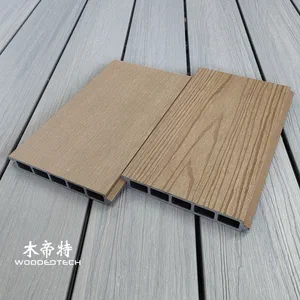 3DGL18024 WPC Longboard Fence Features Premium Co Extruded 3D Embossed Teak Wood Grain Texture with Realistic Natural Wood Fibers