
Understanding Pricing: How Much Are Composite Deck Boards in 2023?
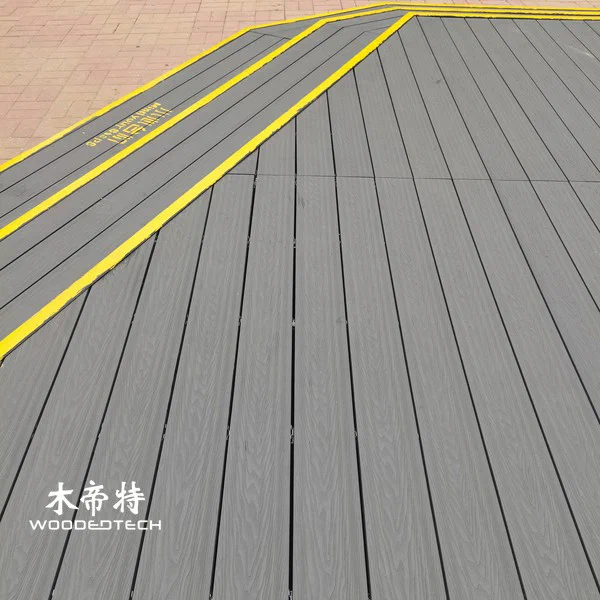
Composite deck boards have gained significant popularity in recent years, largely due to their durability and low maintenance requirements. This article explores the pricing landscape of composite deck boards in 2023, comparing them with other materials like natural wood, traditional timber, aluminum, and more, while analyzing their advantages and disadvantages.
Advantages of Composite Deck Boards
Composite decking is primarily made from a blend of wood fibers and plastic, offering several benefits over traditional materials. Some of the notable advantages include:
- Durability: Resistant to rot, splintering, and insects, composite decks can last significantly longer than natural wood.
- Low Maintenance: Unlike wood, which requires regular staining and sealing, composite decking only needs occasional cleaning.
- Aesthetic Variety: Available in a range of colors and textures, composite boards can mimic the look of wood while providing modern design flexibility.
Disadvantages of Composite Deck Boards
Despite their many benefits, composite deck boards do have some drawbacks. These include:
- Higher Initial Cost: The upfront cost of composite decking can be higher than that of wood or aluminum alternatives.
- Heat Retention: Composite materials can become hot under direct sunlight, making them uncomfortable for bare feet.
- Limited Repair Options: Unlike wood, which can be sanded or stained, damaged composite boards often need to be replaced entirely.
Comparing to Natural Wood and Traditional Timber
Natural wood is often favored for its classic appearance and lower initial costs. However, it comes with significant maintenance requirements, including regular treatments and repairs. Traditional timber is also susceptible to weathering, warping, and insect damage, which can increase long-term costs.
On the other hand, composite decking offers a more consistent performance with less upkeep:

- Cost: While natural wood has a lower initial price point, over time, the maintenance and replacement costs can add up.
- Lifespan: Composite materials typically last longer than natural wood, providing better long-term value.
Aluminum and Other Exterior Materials
Aluminum is another alternative that offers durability and resistance to the elements. However, it lacks the warmth and aesthetic appeal of wood or composite materials. Aluminum decks can also be prone to heat retention, similar to composite boards, making them less comfortable in hot weather.
Other materials like PVC or vinyl offer low maintenance but may not provide the same aesthetic appeal as composite or wood.
Lifecycle Costs
When considering lifecycle costs, it’s essential to factor in installation, maintenance, and potential replacement costs. While composite decking may have a higher initial investment, it often results in lower maintenance expenses and increased longevity, making it a cost-effective choice over time.
For example, the average cost of composite decking ranges from $2.50 to $5.50 per linear foot, depending on the quality and brand. In comparison, quality natural wood can cost between $1.50 to $3.00 per linear foot, but ongoing maintenance can significantly increase this cost over the lifespan of the deck.
In 2023, as consumers continue to prioritize long-term value and sustainability, composite decking is likely to maintain its popularity in the market.
Related Articles
 Disadvantages Of Composite Decking Help Buyers Better Understand Product Features and Limitations
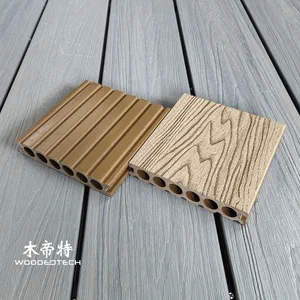 Composite Deck Pricing in 2026: A B2B Guide to Costs and Specifications
 Composite Deck Screw Selection: Specifications, Performance and Installation Standards
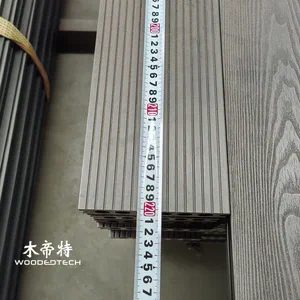 Composite Decking Pictures: Industrial Applications, Designs, and Material Specifications
Related Products
 GD13820 M Shape Co Extruded Composite Deck Planks Feature a Special Profile Design for Distinctive Outdoor Decking Applications
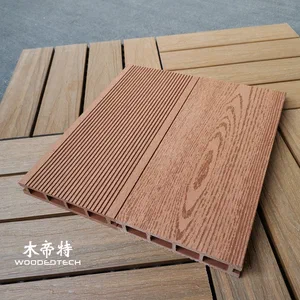 The Classic D14025-4 Red Wood WPC Wood Sheet Features a Timeless 2D Flat Wood Grain Design That Remains Popular After Twenty Years
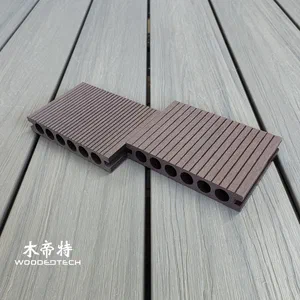 The D14025-6 Composite Decking 2 x 4 Features a Practical Walnut Design with Double-Sided Large and Small Grooves for Versatile Outdoor Applications