
Understanding Plastic Wood Called: Innovations and Applications in 2023
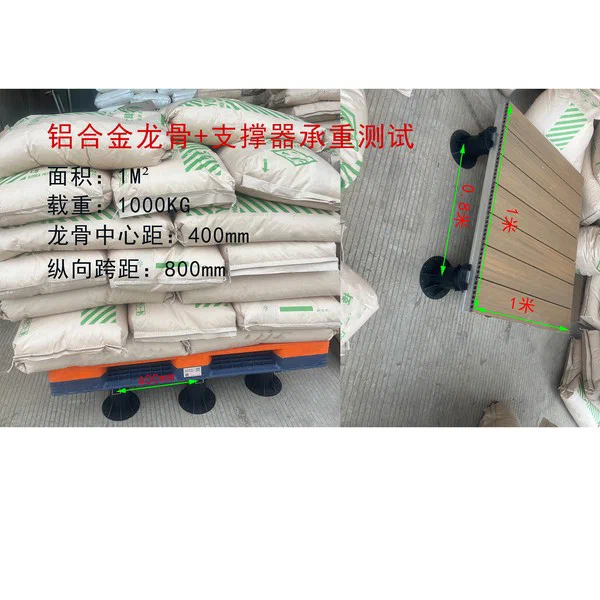
Designing high-performance outdoor wood plastic composite (WPC) formulas requires a meticulous balance of various factors to ensure durability, aesthetics, and cost-effectiveness. This process is crucial for applications such as decking, wall cladding, fencing, pergolas, and landscape products. By optimizing the blend of wood fiber content, plastic ratio, additives, and manufacturing techniques, one can create products that withstand the elements while offering superior performance and extended lifespan.
Wood Fiber Content and Plastic Ratio

The core of any WPC formulation lies in its wood fiber and plastic content. Typically, a balance of 30-70% wood fiber to 70-30% plastic yields the best results. Higher wood fiber content enhances the natural aesthetic and provides better rigidity, while higher plastic content contributes to moisture resistance and longevity. However, too much wood fiber can lead to degradation and warping, especially in humid conditions. Thus, careful evaluation of the specific application and environmental conditions is essential.
Additives for Enhanced Performance
Additives play a key role in enhancing the performance of WPC products. Common additives include:
- UV Stabilizers: Protect against sun damage and fading.
- Antimicrobial Agents: Prevent mold and mildew growth.
- Fire Retardants: Improve fire resistance.
- Colorants and Fillers: Enhance aesthetics and provide color consistency.
These additives not only improve the performance characteristics of WPC materials but also add to the overall cost. Selecting the right additives involves evaluating their effectiveness against the intended use and environmental exposure.
Cost Control Strategies
Cost control is a critical aspect of WPC formulation development. While higher-quality raw materials and additives can improve product performance, they can also significantly increase costs. Strategies to maintain a balance between quality and price include:
- Sourcing sustainable materials: Using recycled wood fibers and plastics can lower material costs while appealing to eco-conscious consumers.
- Optimizing formulations: Regularly reviewing and adjusting formulations based on market feedback and performance data can help in refining the balance between cost and quality.
- Scaling production: Collaborating with manufacturers for bulk production can lead to economies of scale, further reducing costs.
Product Lifespan Considerations
The lifespan of WPC products is influenced by the formulation as well as the environmental conditions they face. High-performance WPCs can last 25 years or more with proper care. Key factors affecting longevity include:
- Moisture resistance: Ensuring the blend has adequate plastic content is crucial for preventing water absorption and subsequent decay.
- Thermal stability: Formulations should resist warping or cracking under temperature fluctuations.
- Maintenance: While WPCs are generally low-maintenance, educating consumers on proper care can extend product life.
Innovations in WPC Technology
Recent advancements in WPC technology have led to improved formulations and manufacturing processes. Innovations such as co-extrusion allow for the creation of capped composites, which offer enhanced durability by protecting the core material from moisture and UV damage. Additionally, 3D embossing technology provides unique surface textures that mimic natural wood grains, boosting aesthetic appeal without compromising strength.
By focusing on these key areas—wood fiber and plastic balance, additive selection, cost control, product lifespan, and technological innovations—engineers can develop high-performance outdoor WPC formulations that meet the demands of modern consumers while ensuring sustainability and value.
Related Articles
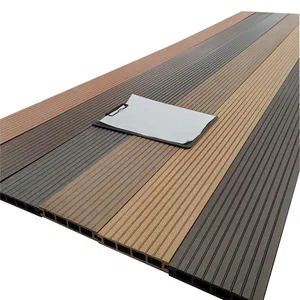 Essential Guide to Sourcing Composite Supplies for Industrial Applications in 2024
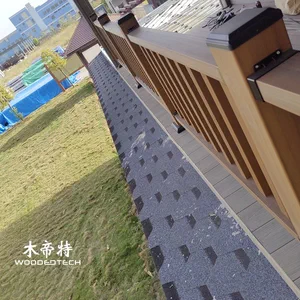 Choosing the Right Composite Deck Planks: A Comprehensive Guide for 2023
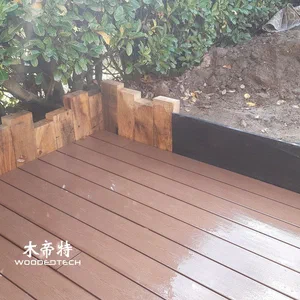 Wood Polymer Composite Manufacturing: Material Selection and Production Optimization
 Plastic Wood Composite Sheets Provide Versatile Materials For Outdoor Construction And Decoration
Related Products
 GD13820 M Shape Co Extruded Composite Deck Planks Feature a Special Profile Design for Distinctive Outdoor Decking Applications
 GD13823-3 Composite Boards for Decking Are Available in Multiple Stock Colors with 3 Meter Lengths and Single Piece Delivery
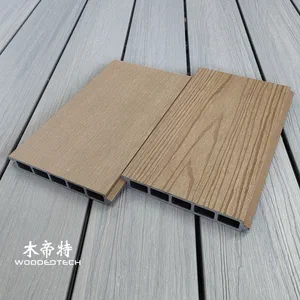 3DGL18024 WPC Longboard Fence Features Premium Co Extruded 3D Embossed Teak Wood Grain Texture with Realistic Natural Wood Fibers