
Understanding Materials: what is capped decking and Its Benefits
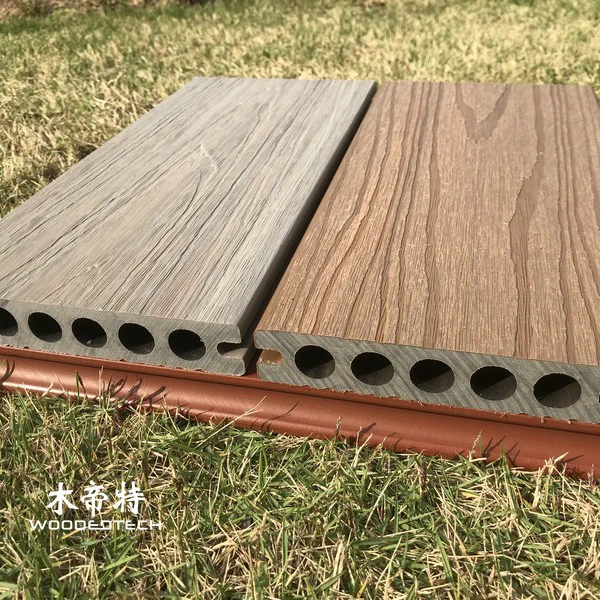
Capped decking is a wood-plastic composite product with a protective outer layer that shields the core from moisture, stains, UV exposure, and daily wear. For commercial buyers and specifiers, it offers a practical balance of appearance, service life, and lower maintenance than traditional timber.
What Makes Capped Decking Different
Unlike standard composite boards, capped decking is manufactured with an extra polymer shell bonded around the board during production. That cap acts as the first line of defense against fading and surface damage, while the inner composite core provides structure and stability. In practice, this means the board is better suited to demanding outdoor environments such as terraces, hotel decks, public walkways, and residential projects that need consistent performance.
The most common product formats include capped composite decking, capped WPC decking, and co-extrusion decking. These terms are often used in similar contexts, but they all point to the same core idea: a reinforced surface layer designed to improve weather resistance and simplify upkeep. For buyers comparing materials, the key question is not just how the board looks on day one, but how it will hold up after years of sun, rain, and heavy foot traffic.
Main Benefits for B2B Projects

Durability is the second major benefit. The cap helps resist staining from spills, food, and oils, while also improving resistance to scratching and surface wear. For projects in humid, coastal, or high-traffic settings, this added protection can make a meaningful difference in long-term appearance and performance.
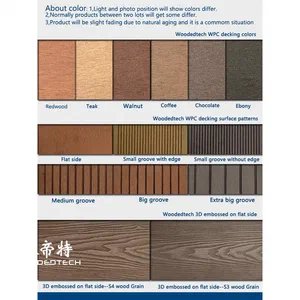
A third benefit is specification flexibility. Capped decking is available in a range of colors, textures, and board profiles, so designers can match commercial branding or architectural themes without sacrificing practicality. Many buyers also value the consistent board quality and predictable installation characteristics, especially when sourcing at scale.
When It Is the Right Choice
Capped decking is a strong fit when a project needs a wood-look surface with better durability than untreated timber and less upkeep than traditional finishes. It is especially relevant for developers, distributors, and contractors looking for stable supply, repeatable quality, and a product that supports long service intervals.
FAQ
Q: What is capped decking made of? A: It is usually a wood-plastic composite core with a protective outer cap made from polymer materials.
Q: Is capped decking better than uncapped composite decking? A: In most outdoor commercial uses, yes. The capped surface improves stain resistance, fade resistance, and overall durability.
Q: Where is capped decking used most often? A: It is commonly used on terraces, balconies, hospitality decks, pool surrounds, and other outdoor areas with frequent foot traffic.
Related Articles
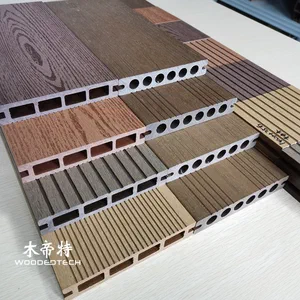
Related Products
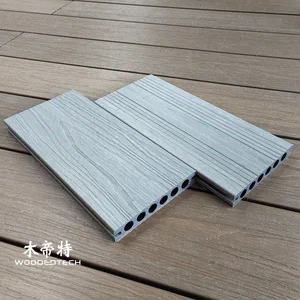 Antique Wood GD13823-3 Co Extruded Composite Wood Decking Boards with Round Holes Are Available in Stock in 3 Meter Lengths Year Round
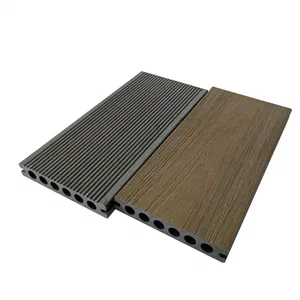 GD14023 Composite Decking Versus Wood Decking Features a Round Hole Structure with Semi Capped Co Extrusion
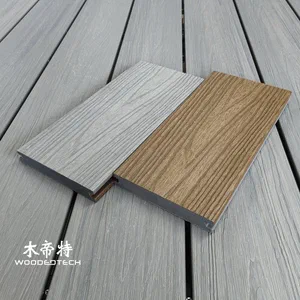 Second Generation Two Color Co Extruded 3D Embossed 3DGD14023S Composite Wood Deck Boards Feature an Extremely Realistic Antique Wood and Teak Grain Texture