
Understanding: Do Composite Decks Get Hot? Insights for Contractors in 2023
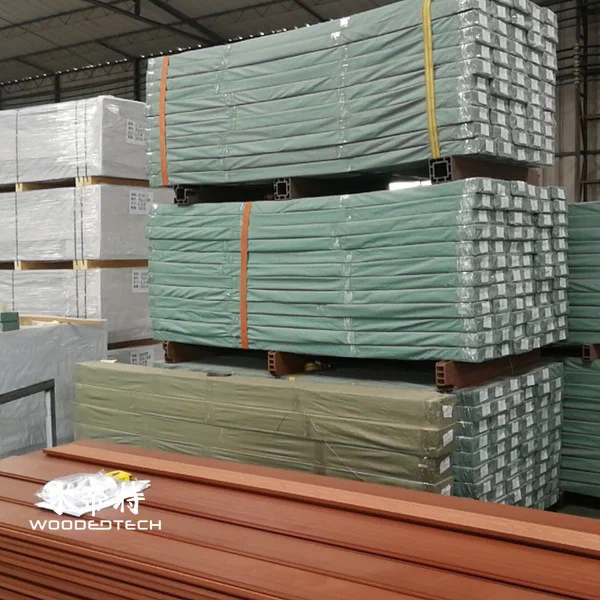
Composite decking has become increasingly popular for outdoor spaces due to its durability and aesthetic appeal. However, a common concern among contractors and homeowners alike is whether composite decks get hot in direct sunlight. This article dives into the factors affecting temperature in composite materials and offers insights for contractors to consider when selecting and installing these products.
Understanding Composite Decking Materials
Composite decking is primarily made from a blend of wood fibers and recycled plastics, which provides the look of wood without the maintenance issues. However, the composition can impact how hot the surface becomes when exposed to sunlight. Generally, darker colors absorb more heat than lighter shades, leading to higher surface temperatures.
Color Choices Matter
The color of the decking plays a significant role in its heat absorption. Lighter colors tend to reflect sunlight, keeping the surface cooler, while darker tones can absorb heat and feel warmer underfoot. When advising clients or selecting materials for a project, it’s important to consider the local climate and how much direct sunlight the deck will receive.
- Light colors: Reflect sunlight, cooler surface temperatures
- Dark colors: Absorb heat, warmer underfoot
Texture and Finish Impacts
Another crucial aspect is the texture and finish of the decking. Smooth surfaces can become hotter as they reflect less light compared to textured or embossed finishes, which may create air pockets that help dissipate heat. Textured surfaces may also provide better slip resistance, adding to the overall safety of outdoor spaces.
Innovative Textures
Modern composite decking often features 3D embossed textures that mimic the look of natural wood while enhancing slip resistance. This design trend not only improves aesthetics but can also help maintain a cooler surface temperature. When selecting textures, consider how they will perform in your specific climate.
Profile and Design Considerations
The profile of the decking boards can also influence heat retention. Some manufacturers offer boards with ventilation features or grooves that enhance airflow, potentially reducing surface temperatures. Contractors might explore these options to provide clients with a more comfortable outdoor experience.
Modular and Custom Designs
Modular designs are gaining traction as they allow for flexible layouts and quicker installations. Using pre-cut components can also minimize waste and improve efficiency on the job site. When considering modular designs, think about how the layout can facilitate airflow and help manage heat retention in specific areas.
The Role of Installation Techniques

Proper installation plays a pivotal role in how composite decking performs. Ensuring adequate spacing between boards allows for ventilation, which can help reduce heat buildup. Additionally, installing the deck at a slight angle can improve drainage and airflow, further mitigating heat issues.
Best Practices for Contractors
- Ensure proper spacing for ventilation
- Consider board profiles that facilitate airflow
- Use lighter colors in sunny climates for cooler surfaces
Conclusion
Understanding how composite decks interact with sunlight is crucial for contractors looking to provide optimal solutions for outdoor spaces. By considering factors such as color, texture, profile, and installation techniques, you can guide clients towards choices that enhance both the aesthetics and functionality of their decks.
Related Articles
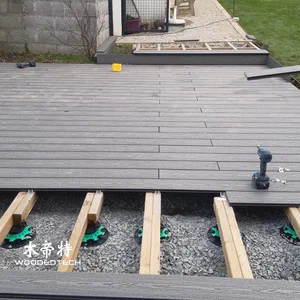 Essential Guide to Choosing Composite Decking Trim Boards: Key Considerations for 2024
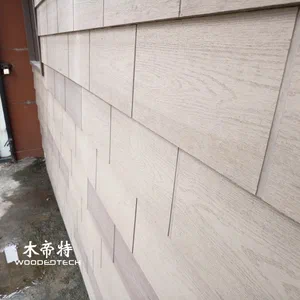 Exploring the Latest Decking Composite Colours: Trends and Innovations for 2023
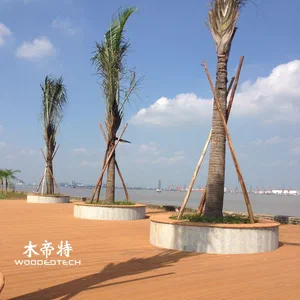 Innovative Composite Decking for Outdoor Kitchen Solutions: Enhance Your Space in 2023
 Enhancing Outdoor Spaces: Composite Deck Solutions for Above Ground Pools in 2023
Related Products
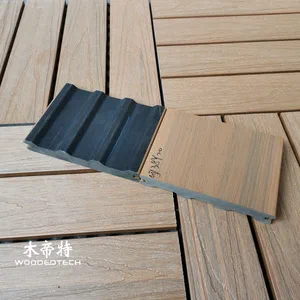 GD13820 M Shape Co Extruded Composite Deck Planks Feature a Special Profile Design for Distinctive Outdoor Decking Applications
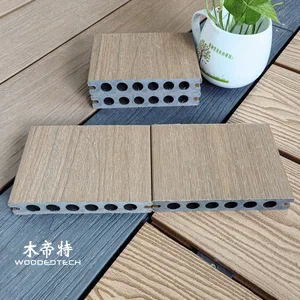 GD13823 Double Sided Flat Surface Co Extruded WPC Decking Features a Popular Width and Thickness with Round Hollow Structure
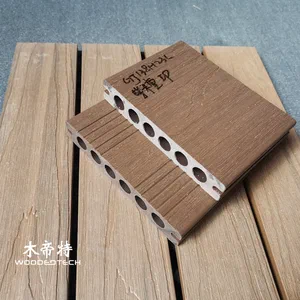 GD13823-3 Composite Boards for Decking Are Available in Multiple Stock Colors with 3 Meter Lengths and Single Piece Delivery