
Understanding Decking Boards Composite Price: A Comprehensive Guide for 2023
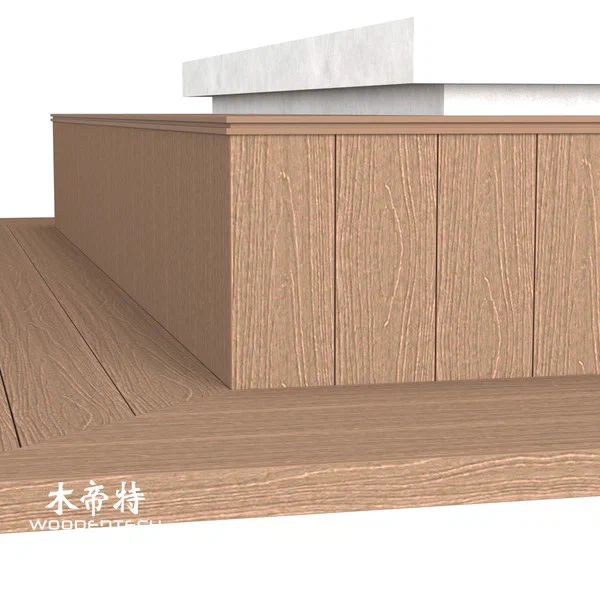
Designing high-performance outdoor wood plastic composite (WPC) formulas requires a careful balance of materials and additives to ensure durability, aesthetics, and cost-effectiveness for various applications like decking, wall cladding, fencing, and pergolas. The key components in WPC formulations include wood fiber content, plastic ratio, and additives, all of which influence the product’s overall quality and lifespan.
Wood Fiber Content and Plastic Ratio
The ratio of wood fiber to plastic in WPC formulations is crucial. Generally, a higher wood fiber content enhances the natural appearance and texture of the products, while a higher plastic ratio can improve moisture resistance and longevity. A common practice is to maintain a wood fiber content between 30% to 70%, with the remaining percentage being plastic. This balance ensures that the composite retains the desirable characteristics of wood while benefiting from the durability of plastic.
Selecting the right type of wood fibers is equally important. Different wood species offer varying properties, such as strength and color, which can affect the final product’s performance. For example, using hardwood fibers can result in a more robust composite, while softwood fibers may be more cost-effective but less durable.
Additives for Enhanced Performance
Additives play a significant role in enhancing the performance of WPC products. They can be categorized into several groups:
- Stabilizers: Protect against UV degradation and thermal expansion.
- Colorants and pigments: Provide desired aesthetics and can enhance the product’s market appeal.
- Fillers: Improve mechanical properties and can help in cost control.
- Anti-fungal agents: Prevent mold and mildew growth, especially in outdoor applications.
Choosing the right combination of additives is critical to achieving the desired performance characteristics while also controlling production costs.
Cost Control
Cost management is a significant factor in WPC formulation development. Choosing lower-cost raw materials, such as recycled plastics or alternative wood fibers, can significantly reduce overall production expenses. However, this must be balanced against the desired quality and lifespan of the product. It is essential to ensure that cost-saving measures do not compromise the product’s performance or lead to higher warranty claims in the long term.
Batch testing different formulations can help in finding the most cost-effective solution without sacrificing quality. This iterative process allows manufacturers to identify the optimal mix of materials and additives that meet performance criteria while keeping production costs within budget.
Product Lifespan

The longevity of WPC products is influenced by the formulation choices made during development. Products designed for outdoor use must withstand various environmental factors, including moisture, UV exposure, and temperature fluctuations. To enhance product lifespan, it is vital to focus on:
- Moisture resistance: Incorporating materials that minimize water absorption can prevent warping and degradation over time.
- UV protection: Utilizing UV stabilizers and pigments that resist fading ensures the product maintains its visual appeal.
- Mechanical strength: Ensuring sufficient strength to resist impacts and loads is critical, particularly for decking and fencing applications.
By prioritizing these factors during the design phase, manufacturers can create high-performance WPC products that meet market demands for durability and aesthetic appeal.
Related Articles
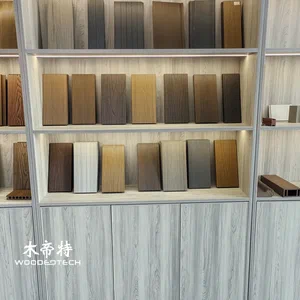 The Benefits of Composite Decking for Boat Floors: A Durable Choice for 2023
 wood plastic composite decking philippines provides durable outdoor flooring solutions for residential and commercial projects
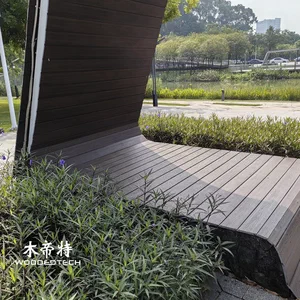 Key Considerations for Choosing Plastic Extrusion Profiles in 2023: A Comprehensive Guide
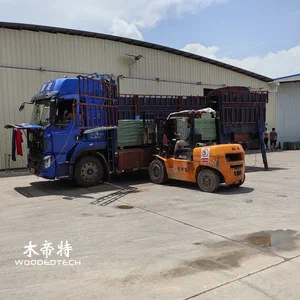 WPC Flooring Prices for Outdoor Decking Projects Residential Gardens and Commercial Applications
Related Products
 GD13823-3 Composite Boards for Decking Are Available in Multiple Stock Colors with 3 Meter Lengths and Single Piece Delivery
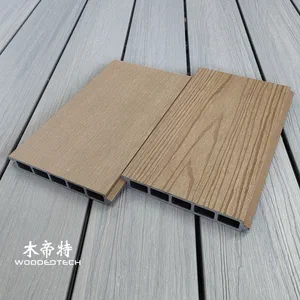 3DGL18024 WPC Longboard Fence Features Premium Co Extruded 3D Embossed Teak Wood Grain Texture with Realistic Natural Wood Fibers
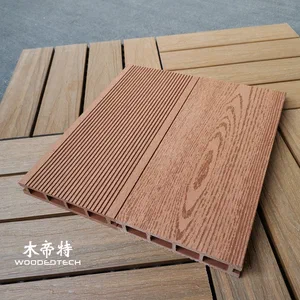 The Classic D14025-4 Red Wood WPC Wood Sheet Features a Timeless 2D Flat Wood Grain Design That Remains Popular After Twenty Years