
Understanding Composite Materials: Key Features and Applications for 2024
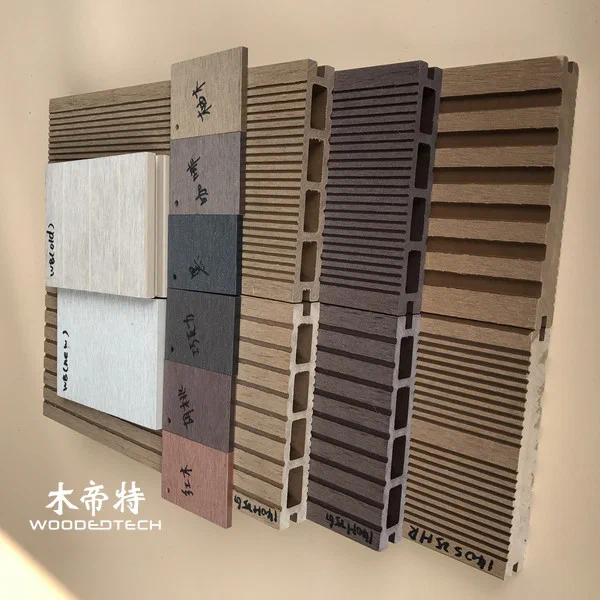
Designing high-performance outdoor wood plastic composite (WPC) formulas for applications like decking, wall cladding, fencing, pergolas, and landscape products involves a careful balance of materials and additives. The objective is to create composites that offer durability, aesthetic appeal, and cost-effectiveness while ensuring longevity in outdoor environments.
Key Components of WPC Formulation
The primary components of WPCs are wood fibers and plastic. The ratio of these materials significantly impacts the properties of the final product. Common plastics used in WPC formulations include polyethylene (PE) and polypropylene (PP), both of which provide good durability and resistance to moisture. The wood fiber content typically ranges from 30% to 70%, depending on the desired characteristics such as strength, weight, and texture.

- Wood Fiber Content: Higher wood fiber content can enhance the natural look and feel of the composite. However, too much fiber can lead to lower resistance to moisture and other environmental factors.
- Plastic Ratio: A balanced plastic ratio contributes to the flexibility and durability of the composite, allowing it to withstand various weather conditions.
Additives for Enhanced Performance
In addition to wood and plastic, a variety of additives can be incorporated into the formulation to enhance performance. These may include:
- UV Stabilizers: To prevent degradation from sun exposure, essential for outdoor applications.
- Colorants: To achieve desired aesthetics and improve product appeal.
- Antimicrobial Agents: To inhibit mold and mildew growth, which is crucial for outdoor products.
- Processing Aids: To facilitate easier manufacturing and improve the flow of the material during extrusion.
Choosing the right additives can significantly enhance the lifespan of the composite material, ensuring it remains functional and visually appealing over many years.
Cost Control Strategies
Cost control is a critical factor when developing WPC formulations. The balance between performance and cost can be challenging, especially when sourcing high-quality wood fibers and plastics. Several strategies can help manage costs effectively:
- Sourcing Recycled Materials: Using recycled plastics and wood can reduce overall material costs while supporting sustainability goals.
- Optimizing Formulation: Conducting thorough testing to find the optimal blend of materials can result in cost savings while maintaining product quality.
- Scale Economies: Producing in larger quantities can lower per-unit costs, making it feasible to use higher-quality materials without significantly increasing the final price.
Product Lifespan Considerations
The lifespan of outdoor WPC products is influenced by several factors, including the quality of the materials used, environmental conditions, and maintenance practices. High-performance formulations tend to have:
- Enhanced Weather Resistance: Properly formulated WPCs can withstand moisture, temperature fluctuations, and UV exposure without significant degradation.
- Structural Integrity: Ensuring a good balance of wood and plastic helps maintain strength and flexibility, reducing the likelihood of cracking or warping.
- Maintenance Requirements: Products designed with low maintenance in mind can appeal to consumers looking for convenience and longevity.
By focusing on these aspects, manufacturers can create WPC products that not only meet performance expectations but also provide excellent value over time.
Conclusion
Designing high-performance WPC formulations requires a comprehensive understanding of material properties and application requirements. By carefully balancing wood fiber content, plastic ratios, and additives while considering cost control and product lifespan, manufacturers can develop superior outdoor products. This thoughtful approach ensures that the resulting composites are durable, aesthetically pleasing, and well-suited for various outdoor applications.
Related Articles
Related Products
 GD13820 M Shape Co Extruded Composite Deck Planks Feature a Special Profile Design for Distinctive Outdoor Decking Applications
 GD13823-3 Composite Boards for Decking Are Available in Multiple Stock Colors with 3 Meter Lengths and Single Piece Delivery
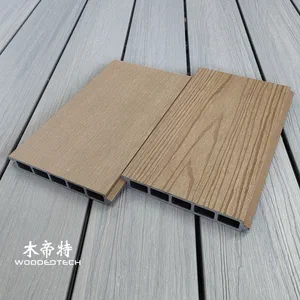 3DGL18024 WPC Longboard Fence Features Premium Co Extruded 3D Embossed Teak Wood Grain Texture with Realistic Natural Wood Fibers