
Understanding Composite Decking Stairs Cost: A Comprehensive Guide for 2023
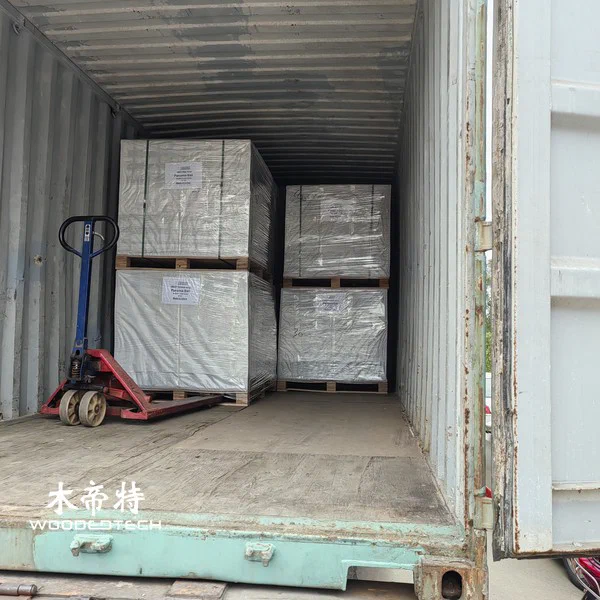
Wood Plastic Composite (WPC) products have gained popularity for outdoor applications due to their durability and weather resistance. The key ingredients in WPC production—wood powder, HDPE or PVC polymers, additives, pigments, and modifiers—play a crucial role in determining the performance of these composites. Understanding how each component affects the final product can help manufacturers ensure high-quality output and customer satisfaction.
The Role of Wood Powder
Wood powder serves as the primary filler in WPCs, providing a natural aesthetic and contributing to the material’s strength. Sourced primarily from recycled wood, it not only enhances the look of the final product but also affects its weight and density. The quality of wood powder is paramount; it should be free of contaminants and consistent in particle size for uniform mixing. Inadequate quality can lead to issues like reduced mechanical strength and increased susceptibility to moisture absorption, which compromises durability.
Importance of Polymers
The choice between HDPE and PVC polymers significantly influences the mechanical properties and weather resistance of the WPC. HDPE offers excellent impact resistance and flexibility, making it suitable for applications that experience heavy foot traffic. Conversely, PVC provides better rigidity and is often preferred for its superior resistance to chemicals and UV rays. Ensuring the right polymer is chosen based on the intended use of the product is critical for performance.
Additives and Their Impact
Additives enhance various characteristics of WPCs, including fire resistance, UV stability, and overall longevity. For instance, UV stabilizers are essential to prevent discoloration and degradation from sunlight exposure. Antioxidants can be included to enhance the thermal stability of the composite. When selecting additives, it is important to assess their compatibility with both the polymer and the wood filler to avoid any adverse reactions that might affect product performance.
The Role of Pigments
Pigments not only provide color but also contribute to UV resistance. Properly chosen pigments can enhance the outdoor performance of WPCs by absorbing harmful UV rays that could otherwise cause fading. Additionally, they can improve the aesthetic appeal of the product, making it more attractive to consumers. Quality control during pigment incorporation is essential to ensure consistent color and performance across batches.
Modifiers for Enhanced Properties
Modifiers are used to tailor the properties of WPCs further. For example, coupling agents can improve the bonding between wood and plastic, enhancing mechanical strength. Impact modifiers can be added to increase toughness, particularly in colder climates where materials can become brittle. Each modifier must be selected carefully based on the desired attributes of the final product.
Practical Inspection Methods
Quality control in a WPC factory involves several practical inspection methods to ensure that each component meets established standards.
- Visual Inspection: Regular checks for color consistency, surface defects, and overall appearance help maintain aesthetic quality.
- Mechanical Testing: Conducting tensile and flexural tests allows for the evaluation of strength and durability.
- Moisture Content Analysis: Measuring moisture levels in wood powder is crucial to prevent absorption-related issues.
- Compatibility Tests: Assessing the interaction between additives and polymers ensures that no adverse reactions occur during processing.

Quality Standards
Adhering to established quality standards is vital for maintaining product integrity. In many regions, WPC products are evaluated against standards such as ASTM D7032 for wood-plastic composites, which assesses performance under various environmental conditions. Compliance with these standards not only ensures product reliability but also enhances marketability.
Understanding the interplay between wood powder, polymers, additives, pigments, and modifiers is essential for producing high-quality outdoor WPC products. By implementing rigorous quality control measures and adhering to established standards, manufacturers can achieve durability, weather resistance, and overall superior performance.
Related Articles
 Understanding Composite Deck Boards Thickness: Key Considerations for 2023 Buyers
 HDPE Composite Lumber Offers Strong and Durable Material Solutions for Outdoor Construction Projects
 Maximizing Durability: The Importance of Composite Deck End Caps in 2023
 Understanding WPC Meaning: A Comprehensive Guide for Industrial Applications in 2023
Related Products
 GD13820 M Shape Co Extruded Composite Deck Planks Feature a Special Profile Design for Distinctive Outdoor Decking Applications
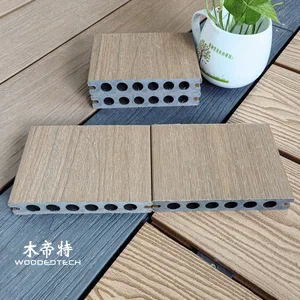 GD13823 Double Sided Flat Surface Co Extruded WPC Decking Features a Popular Width and Thickness with Round Hollow Structure
 GD13823-3 Composite Boards for Decking Are Available in Multiple Stock Colors with 3 Meter Lengths and Single Piece Delivery