
Understanding Composite Decking Prices: A Comprehensive Guide for Businesses in 2023
Composite decking prices can vary significantly based on various factors such as materials, manufacturing processes, and market demand. In this guide, we’ll explore the key components that influence the pricing of composite decking, ensuring businesses understand what to expect in 2023.
Understanding Material Types
The primary factor affecting composite decking prices is the type of materials used. Composite decking is typically made from a blend of wood fibers and plastic, which can be further categorized into:
- Capped composite decking: Features a protective layer that enhances durability and resistance to moisture.
- Uncapped composite decking: Lacks this protective layer, generally costing less but offering lower durability.
- Co-extruded decking: Provides superior protection by combining multiple layers, often at a higher price point.
Understanding these material types can help businesses select the right product for their needs and budget.
Production Techniques
The manufacturing process also plays a crucial role in determining the price of composite decking. Advanced production techniques, such as co-extrusion, enhance the quality and longevity of the decking but may increase costs. Factors to consider include:
- Technology used in the extrusion process.
- Quality control measures in place during production.
- Customization options available for specific projects.
Investing in high-quality manufacturing can lead to long-term savings by reducing maintenance and replacement needs.
Quality and Durability
Quality assurance is vital in the composite decking industry. Higher-quality products often come with extended warranties and better performance in terms of weather resistance, slip resistance, and overall durability. Businesses should evaluate:
- The reputation of manufacturers.
- Certifications and compliance with industry standards.
- Reviews and feedback from other customers.
Prioritizing quality can justify higher upfront costs, as they often result in lower lifetime costs.
Market Demand and Supply
In 2023, the dynamics of supply and demand are essential to understanding pricing trends. Factors influencing market conditions include:
- Increasing popularity of outdoor living spaces, driving demand for decking solutions.
- Supply chain disruptions that may affect material availability and pricing.
- Seasonal fluctuations in demand, with prices potentially rising in peak seasons.
Staying informed about market trends can help businesses time their purchases to achieve better pricing.
Customer Cooperation and Customization

Collaboration with suppliers can also impact pricing. Establishing a strong relationship with manufacturers allows for potential negotiation on bulk orders and customized solutions. Businesses should consider:
- Requesting samples to evaluate quality before committing to large orders.
- Discussing long-term partnerships that may lead to favorable pricing agreements.
- Exploring customizable options that can meet specific project needs without significant cost increases.
Fostering good communication with suppliers can lead to mutually beneficial arrangements.
Conclusion
Understanding composite decking prices involves looking at various aspects, including materials, production techniques, quality, market demand, and customer relationships. By taking these factors into account, businesses can make informed decisions, ensuring they select the right products that align with their budget and project requirements.
Related Articles
 Understanding Pricing: How Much Does Composite Decking Cost Per Square Foot in 2024?
 Understanding Composite Deck Board Prices: Key Factors Influencing Costs in 2023
 Understanding Composite Deck Pricing Per Square Foot: Key Factors for Businesses in 2024
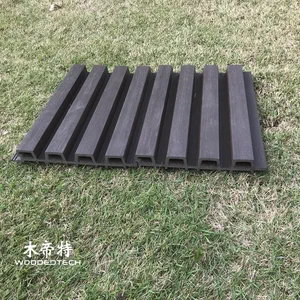 Understanding Composite Deck Boards Cost Per Square Foot: 2023 Industry Insights
Related Products
 GD13820 M Shape Co Extruded Composite Deck Planks Feature a Special Profile Design for Distinctive Outdoor Decking Applications
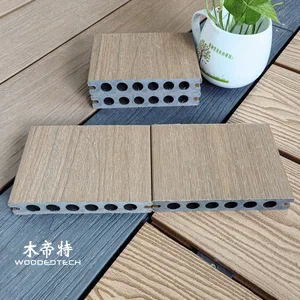 GD13823 Double Sided Flat Surface Co Extruded WPC Decking Features a Popular Width and Thickness with Round Hollow Structure
 GD13823-3 Composite Boards for Decking Are Available in Multiple Stock Colors with 3 Meter Lengths and Single Piece Delivery