
Understanding Composite Decking: How Much Should Composite Decking Cost in 2023?
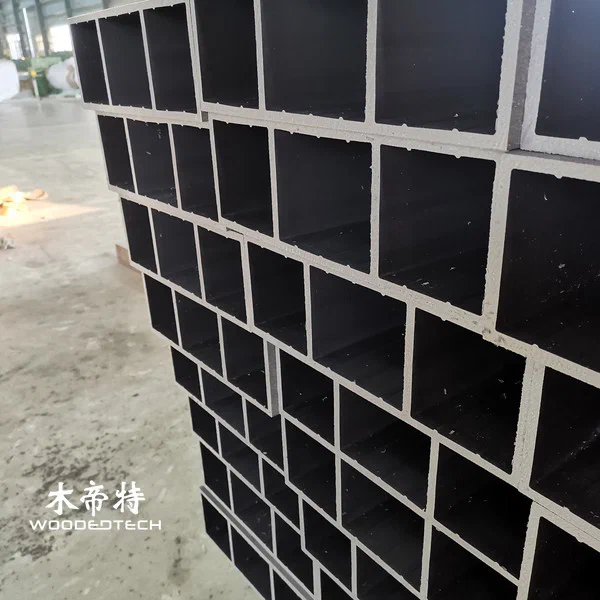
Composite decking, particularly wood plastic composite (WPC), has gained significant attention as an alternative to traditional materials like natural wood and aluminum. This article explores the advantages and disadvantages of composite decking compared to other exterior materials, focusing on maintenance, lifecycle costs, and overall performance.
Advantages of Composite Decking
Composite decking offers several benefits that appeal to homeowners and builders alike. One of its standout features is durability. Made from a blend of wood fibers and recycled plastic, WPC is resistant to rot, warping, and insect damage, making it a long-lasting choice for outdoor applications. In addition, composite materials are often designed to be UV resistant, preventing fading and discoloration over time.
Another significant advantage is low maintenance. Unlike natural wood, which requires regular staining, sealing, or painting to maintain its appearance, composite decking typically requires only occasional cleaning with soap and water. This ease of upkeep can save both time and money in the long run.
Disadvantages of Composite Decking
While composite decking has many benefits, it also comes with drawbacks. One common concern is its initial cost. Composite materials can be more expensive upfront compared to traditional wood or aluminum options. However, when considering long-term maintenance and replacement costs, composites may prove to be more economical over time.
Another disadvantage is that some lower-quality composite products may not offer the same aesthetic appeal as natural wood. Although advancements have improved the look of composite materials, certain consumers still prefer the authentic appearance of real wood.
Traditional Wood vs. Composite Decking
Natural wood, particularly species like cedar or redwood, provides unparalleled beauty and warmth. It can be more affordable initially compared to composite options. However, the trade-off is significant in terms of maintenance requirements, as wood decks need regular treatment to resist the elements. Additionally, wood can suffer from issues like splintering and decay, which can lead to higher long-term costs.
Aluminum as an Alternative
Aluminum decking is another alternative worth considering. It is incredibly durable, resistant to rust, and can withstand harsh weather conditions. Aluminum also typically requires minimal maintenance. However, it can get hot underfoot in direct sunlight and may not provide the same level of comfort as wood or composite materials. Moreover, the initial cost of aluminum decking can be higher than both wood and composite options.
Maintenance Considerations
When evaluating options for outdoor decking, maintenance should play a crucial role in the decision-making process. Composite decking, with its low upkeep needs, stands out compared to natural wood, which often demands routine care. Aluminum also requires minimal maintenance but can be susceptible to scratches and dents.

In contrast, natural wood requires consistent sealing and staining, which can be time-consuming and costly. Homeowners should weigh these maintenance requirements against their lifestyle and willingness to invest time and resources into deck upkeep.
Lifecycle Costs
Understanding the lifecycle costs of decking materials is essential for making an informed choice. While composite decking may have a higher initial investment, its longevity and reduced maintenance needs can translate to lower overall costs over time. Traditional wood often leads to higher costs due to frequent maintenance and the potential need for replacement after several years. Aluminum, while durable, can also present a higher upfront cost, which may not justify its benefits for everyone.
Ultimately, the decision between composite decking, natural wood, aluminum, and other materials should be based on individual preferences, budget, and desired performance characteristics. Each material has its unique strengths and weaknesses, and understanding these can help you make the best choice for your outdoor space.
Related Articles
Related Products
 GD13820 M Shape Co Extruded Composite Deck Planks Feature a Special Profile Design for Distinctive Outdoor Decking Applications
 GD13823-3 Composite Boards for Decking Are Available in Multiple Stock Colors with 3 Meter Lengths and Single Piece Delivery
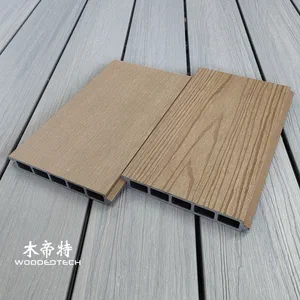 3DGL18024 WPC Longboard Fence Features Premium Co Extruded 3D Embossed Teak Wood Grain Texture with Realistic Natural Wood Fibers