
Understanding Composite Decking Costs: A Comprehensive Guide for 2023
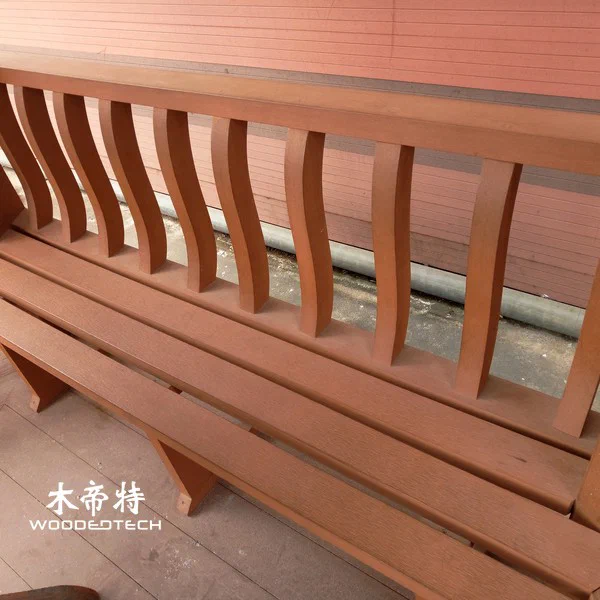
Wood plastic composite (WPC) products, such as decking and wall panels, have gained popularity due to their durability and low maintenance requirements. The quality of these products largely hinges on the raw materials used, including wood powder, HDPE or PVC polymers, additives, pigments, and modifiers. Understanding how these components affect the overall performance and longevity of WPC can help manufacturers ensure high-quality outputs and satisfy consumer demands.
Key Components of WPC
Wood Powder
Wood powder serves as a filler and provides the natural aesthetic that many consumers desire in outdoor products. The quality of wood powder, including its particle size and consistency, directly impacts the composite’s strength and durability. Higher quality wood powders tend to enhance adhesion between the wood and polymer, improving the mechanical properties of the final product.
HDPE/PVC Polymers
The choice between HDPE and PVC polymers is crucial. HDPE is known for its superior resistance to moisture and UV light, making it a preferred choice for outdoor applications. PVC, on the other hand, offers excellent rigidity and cost-effectiveness. The polymer’s formulation can also influence the thermal expansion, impact resistance, and overall lifespan of the WPC product.
Additives
Additives play a significant role in enhancing the performance of WPC products. These can include stabilizers to prevent degradation from UV exposure, lubricants to improve processing, and flame retardants to enhance safety. The right combination of additives can help achieve a balance between durability and flexibility, ensuring that the end product performs well under various environmental conditions.
Pigments
The use of pigments not only affects the aesthetic appeal of WPC products but also contributes to their weather resistance. High-quality pigments can resist fading and degradation due to UV exposure, ensuring that the color remains vibrant over time. It’s essential to select UV-stable pigments to maintain the product’s appearance and prolong its lifespan.

Modifiers
Modifiers, such as impact resistance enhancers and coupling agents, can significantly improve the physical properties of WPC. These substances help enhance adhesion between wood fibers and polymers, leading to improved mechanical strength and durability. The right modifiers can optimize the product for specific performance characteristics, such as increased impact strength or improved thermal stability.
Practical Factory Inspection Methods
To ensure high-quality WPC products, implementing rigorous inspection methods is crucial. Key practices include:
Raw Material Testing: Conduct tests to assess the quality of wood powder, polymers, and additives. This can include moisture content analysis, particle size distribution, and viscosity tests for polymers.
Mechanical Testing: Perform tensile and flexural strength tests on finished products to ensure they meet specified durability standards.
Weather Resistance Assessment: Utilize accelerated weathering tests to evaluate UV resistance and moisture absorption over time.
Dimensional Inspection: Regularly check the dimensions of WPC products to ensure they meet design specifications, which can affect installation and performance.
Visual Inspection: Conduct thorough visual checks for surface defects, color consistency, and overall finish quality.
Quality Standards
Adhering to industry standards is essential for maintaining product quality. Relevant standards for WPC products include:
ASTM D7032: This standard covers the performance requirements for WPC decking, including structural performance and moisture resistance.
ISO 9001: Implements quality management systems to ensure consistent production quality and continuous improvement.
EN 15534: European standard for WPC products that outlines requirements for mechanical properties, fire performance, and durability.
By implementing stringent quality control measures and adhering to recognized standards, manufacturers can produce WPC products that not only meet but exceed market expectations, ensuring durability and performance in outdoor applications.
Related Articles
Related Products
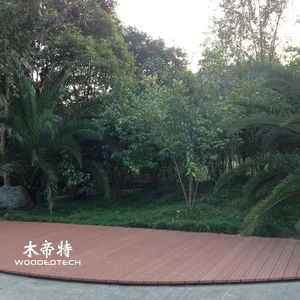
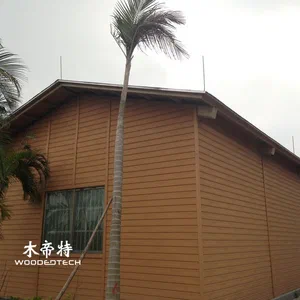
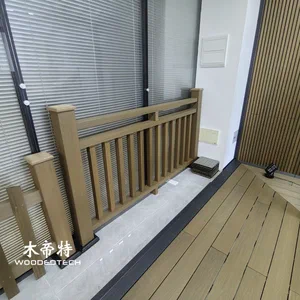
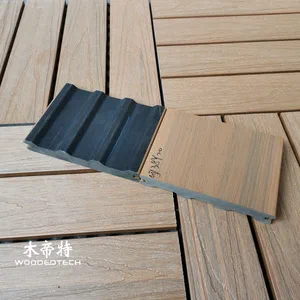 GD13820 M Shape Co Extruded Composite Deck Planks Feature a Special Profile Design for Distinctive Outdoor Decking Applications
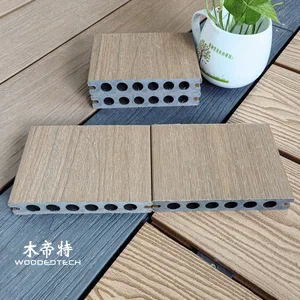 GD13823 Double Sided Flat Surface Co Extruded WPC Decking Features a Popular Width and Thickness with Round Hollow Structure
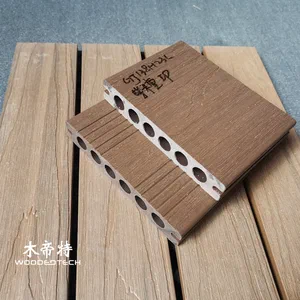 GD13823-3 Composite Boards for Decking Are Available in Multiple Stock Colors with 3 Meter Lengths and Single Piece Delivery