
Understanding Composite Decking Cost: A Comprehensive Guide for Businesses in 2023
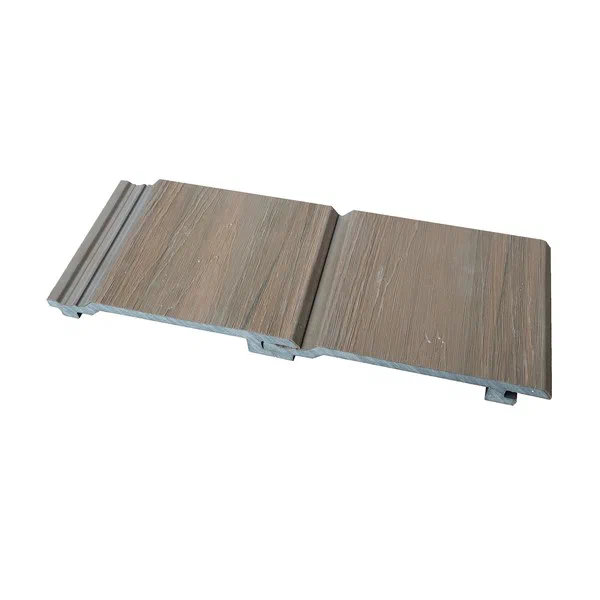
Composite decking, particularly wood-plastic composite (WPC), has gained popularity as an alternative to traditional materials like natural wood, aluminum, and other exterior options. This article explores the advantages, disadvantages, maintenance needs, and lifecycle costs of composite decking compared to these materials.
Advantages of Composite Decking
Composite decking offers several benefits that make it appealing for outdoor applications:
- Durability: WPC is resistant to warping, splintering, and rotting, which are common issues with natural wood.
- Low Maintenance: Unlike wood, composite decking does not require regular staining or sealing. A simple wash with soap and water is usually enough to keep it looking good.
- Eco-Friendly: Many composite materials are made from recycled plastics and wood fibers, making them a more sustainable choice.
- Variety of Designs: Composite decking is available in various colors and textures, allowing for customizable outdoor spaces.
Disadvantages of Composite Decking
While composite decking has many advantages, it also has some drawbacks:
- Initial Cost: The upfront cost of composite decking can be higher than that of traditional wood options, which may deter some buyers.
- Heat Retention: Composite materials can absorb and retain heat, making them uncomfortable to walk on in direct sunlight.
- Limited Lifespan Compared to Aluminum: While durable, WPC typically has a shorter lifespan than aluminum, which can last for decades with minimal maintenance.
Comparison with Natural Wood
Natural wood remains a classic choice for outdoor decking. Its aesthetics and warmth are hard to match. However, it comes with significant maintenance requirements:
- Maintenance: Wood requires regular treatment with stains and sealants to prevent rot and insect damage.
- Lifespan: With proper care, wood can last long, but it is more susceptible to environmental damage compared to composite options.
- Cost: While initial costs may be lower for wood, ongoing maintenance can increase the total expenditure over time.
Aluminum and Other Materials

Aluminum is another popular choice for outdoor decking, known for its strength and longevity. Here’s how it compares to composite decking:
- Durability: Aluminum does not rust and is incredibly strong, making it suitable for high-traffic areas.
- Maintenance: Similar to composite materials, aluminum requires little maintenance, although it may need occasional cleaning to prevent oxidation.
- Cost: Aluminum decking can be more expensive upfront than composite options, but its lifespan can justify the cost over time.
Other materials, like concrete and stone, offer durability and a unique aesthetic but come with high installation costs and can be prone to cracking.
Lifecycle Costs
When evaluating the lifecycle costs of composite decking, it’s essential to consider both initial investment and ongoing maintenance:
- Initial Costs: Composite decking typically has a higher initial cost than natural wood but can be comparable to aluminum.
- Maintenance Costs: WPC requires minimal maintenance, which can lead to lower long-term costs compared to natural wood.
- Longevity: While composite decking has a limited lifespan compared to aluminum, its durability can lead to fewer replacements over time.
Related Articles
Related Products
 GD13820 M Shape Co Extruded Composite Deck Planks Feature a Special Profile Design for Distinctive Outdoor Decking Applications
 GD13823 Double Sided Flat Surface Co Extruded WPC Decking Features a Popular Width and Thickness with Round Hollow Structure
 GD13823-3 Composite Boards for Decking Are Available in Multiple Stock Colors with 3 Meter Lengths and Single Piece Delivery