
Understanding Composite Decking Boards Sizes: A Comprehensive Guide for 2023
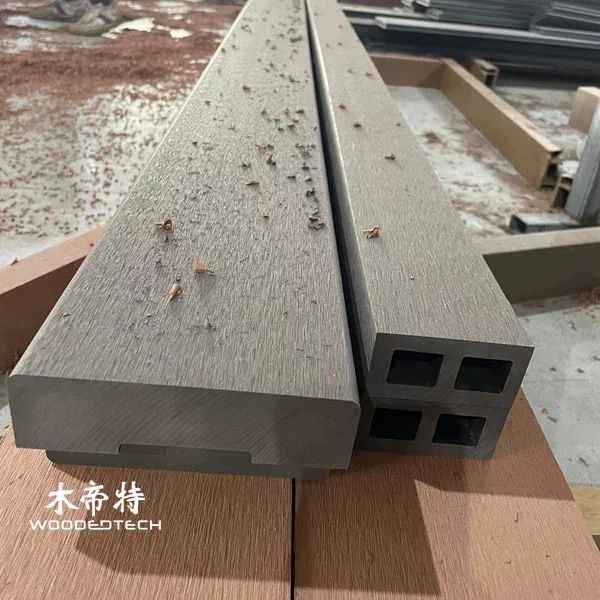
Designing high-performance outdoor wood plastic composite (WPC) formulas for applications like decking, wall cladding, fencing, pergolas, and landscape products requires careful consideration of several factors. Achieving an optimal balance between wood fiber content, plastic ratio, additives, cost control, and product lifespan is essential for creating durable and attractive products.
Wood Fiber Content and Plastic Ratio
The choice of wood fiber content directly affects the performance characteristics of WPC products. A higher wood fiber percentage can enhance aesthetics and improve the feel of the material, making it more appealing for outdoor applications. However, too much fiber can lead to reduced durability and moisture resistance. Typically, a wood fiber content of 50-70% is common for outdoor applications.
The plastic ratio, comprising materials like polyethylene or polypropylene, plays a crucial role in enhancing the product’s weather resistance and longevity. A balanced formulation often includes around 30-50% plastic, which helps to improve manufacturing processes and end-use performance. Finding the right blend of these two components is vital for achieving the desired mechanical properties and lifespan.
Additives for Enhanced Performance
Incorporating additives into the WPC formulation can significantly enhance performance characteristics. Key additives include:
- UV stabilizers to prevent degradation from sunlight exposure
- Antimicrobial agents to inhibit mold and mildew growth
- Colorants for aesthetic appeal
- Processing aids to improve flow during extrusion

These additives not only enhance the material’s durability but also contribute to its aesthetic qualities, making it suitable for various outdoor uses.
Cost Control Strategies
Cost control is a significant consideration in WPC production. While it is essential to maintain quality, manufacturers must also keep an eye on raw material costs. Sourcing materials from local suppliers can help reduce transportation costs, while bulk purchasing can lower the price per unit. Additionally, optimizing the production process to minimize waste and energy consumption can lead to substantial savings.
It’s also important to evaluate the cost-to-performance ratio. Investing in higher-quality raw materials or additives may increase upfront costs but can yield long-term savings by improving product lifespan and reducing the need for replacements or maintenance.
Product Lifespan Considerations
The lifespan of WPC products is influenced by their formulation. Products designed for outdoor use must withstand environmental stresses such as moisture, temperature fluctuations, and UV radiation. Ensuring a proper balance of wood and plastic, along with the right additives, can significantly enhance durability.
Testing for resistance against common outdoor challenges—such as warping, splitting, and fading—is critical. Manufacturers should also consider the intended use of the product; for instance, decking applications require more robust formulations compared to landscaping elements.
Final Thoughts
The development of high-performance outdoor WPC products is a complex interplay of various factors. By focusing on the balance between wood fiber content, plastic ratios, additives, cost control, and lifespan, manufacturers can create products that not only meet market demands but also stand the test of time. The key to success lies in thorough testing and continuous improvement of formulations, ensuring that each product is tailored to its specific application.
Related Articles
 Innovative Applications of Plastic Wood Cover in Industrial Manufacturing: 2023 Insights
 Optimizing WPC's: The Future of Composite Materials in Industrial Applications
 Understanding Composite Deck Gap: Best Practices for Industrial Applications in 2023
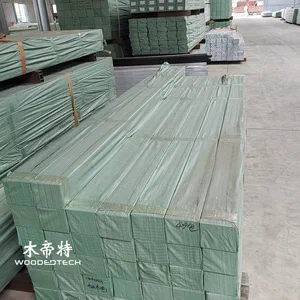 Solid Composite for Strong Durable Outdoor Decking Panels and Architectural Applications
Related Products
 GD13820 M Shape Co Extruded Composite Deck Planks Feature a Special Profile Design for Distinctive Outdoor Decking Applications
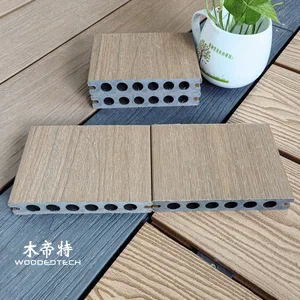 GD13823 Double Sided Flat Surface Co Extruded WPC Decking Features a Popular Width and Thickness with Round Hollow Structure
 GD13823-3 Composite Boards for Decking Are Available in Multiple Stock Colors with 3 Meter Lengths and Single Piece Delivery