
Understanding Composite Decking Boards Cost: A Comprehensive Analysis for 2023
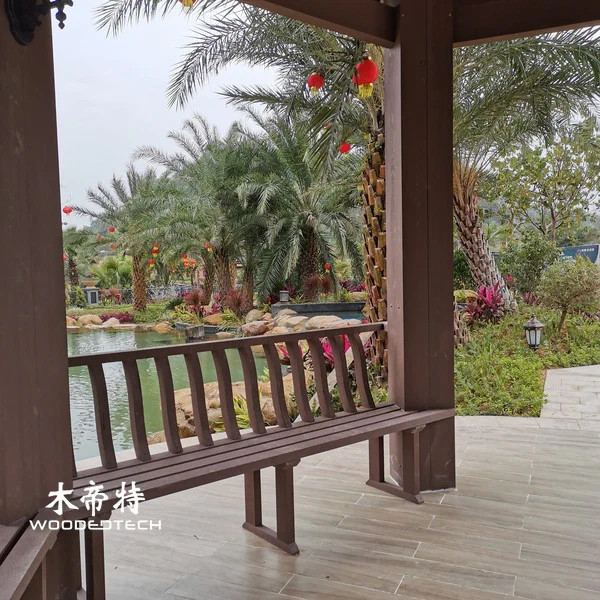
Composite decking boards, specifically wood-plastic composites (WPC), have gained traction as an alternative to traditional materials like natural wood, aluminum, and other exterior materials. This article explores the advantages and disadvantages of WPC compared to its counterparts, focusing on maintenance requirements and lifecycle costs.
Advantages of Composite Decking

WPC offers several benefits that appeal to homeowners and commercial property managers alike. It is highly resistant to rot, insects, and moisture, making it suitable for various climates. Unlike traditional wood, WPC does not splinter or warp, ensuring a safer and more comfortable surface.
- Low maintenance: WPC requires minimal upkeep compared to natural wood, which needs regular sealing and staining.
- Durability: The lifespan of composite boards can exceed 25 years with proper care, significantly longer than untreated wood.
- Eco-friendly: Many composite products contain recycled materials, reducing environmental impact.
Disadvantages of Composite Decking
Despite its many advantages, WPC has some drawbacks. One concern is its initial cost, which can be higher than that of traditional wood. Although it may save money over time due to reduced maintenance and longer lifespan, the upfront investment can deter some buyers.
- Heat retention: Composite decking can become hot under direct sunlight, making it uncomfortable for barefoot walking on hot days.
- Color fading: While many manufacturers offer UV-resistant options, some composites may lose color over time when exposed to sunlight.
Comparison with Natural Wood
Natural wood, such as cedar or redwood, offers a classic aesthetic that many find appealing. However, it comes with significant maintenance requirements. It needs regular treatments to protect against weather damage and pests, which can add to long-term costs.
- Aesthetic: Natural wood provides a warm, authentic look that many homeowners prefer.
- Maintenance: Requires regular sealing, staining, and inspections for rot or insect damage.
- Lifespan: Depending on the type and treatment, wood may last 10-20 years.
Comparing to Aluminum and Other Materials
Aluminum decking is another alternative, known for its strength and resistance to corrosion. However, it often lacks the warmth and natural appearance of wood and WPC.
- Durability: Aluminum is nearly impervious to weather damage and can last indefinitely if maintained properly.
- Weight: Aluminum is lighter than many materials, making installation easier.
- Cost: While it can be more affordable than high-end WPC, the aesthetic appeal is a trade-off.
Other materials like concrete or stone are also options for outdoor spaces but often come with their own set of challenges, including higher installation costs and lack of flexibility in design.
Lifecycle Costs
When considering lifecycle costs, WPC often proves to be more economical in the long run. While the initial purchase price may be higher than natural wood, the minimal maintenance and longer lifespan can offset these costs. Additionally, the reduced need for repairs and replacements contributes to lower overall expenses.
- WPC: Higher initial cost but lower maintenance and longer lifespan lead to overall savings.
- Natural wood: Lower initial cost but higher long-term maintenance and repair costs.
- Aluminum: Moderate initial cost with minimal maintenance but less aesthetic appeal.
Related Articles
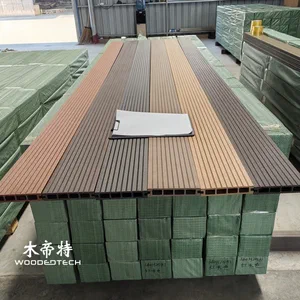 Composite Deck Price vs Wood: An In-Depth Cost Analysis for 2023
 Understanding the Costs: How Much Do Composite Deck Boards Cost in 2023?
 Understanding Composite Decking Cost per m2: A Comprehensive Guide for 2023
 Understanding the Cost for Composite Deck Per Square Foot: A 2023 Guide for Contractors
Related Products
 GD13820 M Shape Co Extruded Composite Deck Planks Feature a Special Profile Design for Distinctive Outdoor Decking Applications
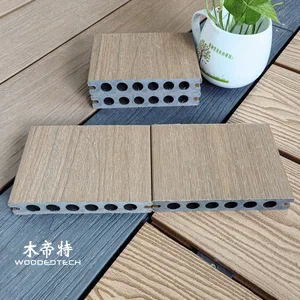 GD13823 Double Sided Flat Surface Co Extruded WPC Decking Features a Popular Width and Thickness with Round Hollow Structure
 GD13823-3 Composite Boards for Decking Are Available in Multiple Stock Colors with 3 Meter Lengths and Single Piece Delivery