
Understanding Composite Decking Board Sizes: A Guide for Industry Professionals in 2023
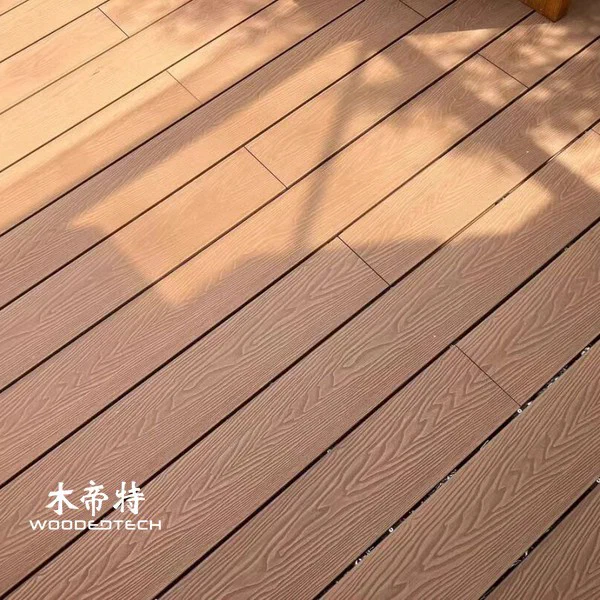
Designing high-performance outdoor wood plastic composite (WPC) formulas for applications such as decking, wall cladding, fencing, pergolas, and landscape products requires a careful balance of various elements. Key considerations include wood fiber content, plastic ratio, additives, cost control, and product lifespan, all of which contribute to the overall performance and appeal of the final product.
Wood Fiber Content and Plastic Ratio
The selection of wood fiber content significantly influences the mechanical properties and visual appeal of WPCs. Typically, a wood fiber content ranging from 30% to 70% is ideal, depending on the intended application. Higher wood content often enhances aesthetics and provides a more natural look, but it may also reduce mechanical strength and increase moisture absorption.
The plastic ratio plays a crucial role in determining the durability and processing characteristics of the composite. A common approach is to maintain a 50/50 balance between wood and plastic, combining the benefits of rigidity and weather resistance. However, adjustments may be necessary based on specific performance requirements, such as increased impact resistance for decking or enhanced flexibility for cladding.
Additives for Enhanced Performance

Incorporating additives can significantly enhance the performance characteristics of WPCs. Common additives include:
- UV Stabilizers: Protect against degradation from sunlight exposure, ensuring color retention and material integrity over time.
- Antimicrobial Agents: Prevent mold and mildew growth, particularly important for outdoor applications.
- Colorants and Fillers: Allow for customization in appearance while influencing density and mechanical properties.
- Processing Aids: Facilitate smoother manufacturing processes and improve the flow during extrusion.
Choosing the right additives must align with performance goals while also considering cost implications.
Cost Control Strategies
Cost control is essential for maintaining competitiveness in the WPC market. Optimizing the raw material selection can help manage costs effectively. For instance, using recycled plastic and wood fibers can reduce expenses while promoting sustainability. Additionally, sourcing local materials minimizes transportation costs and can yield better pricing.
Process optimization during manufacturing also contributes to cost efficiency. Streamlining production techniques and minimizing waste can result in lower overall costs without compromising quality.
Product Lifespan Considerations
The lifespan of WPC products is a critical factor, particularly in outdoor applications where they are exposed to harsh environmental conditions. Key strategies to enhance longevity include:
- Proper Formulation: Ensuring the right balance of wood and plastic, along with effective additives, can significantly enhance durability.
- Surface Treatments: Applying protective coatings or treatments can improve resistance to moisture and UV rays, thereby extending product life.
- Design Features: Incorporating features such as drainage channels in decking or ventilation in cladding systems can mitigate common issues like warping and swelling, contributing to longer-lasting performance.
By focusing on these elements, manufacturers can create high-performance WPC products that meet the demands of the market while ensuring long-term satisfaction for end-users.
Related Articles
 Exploring the Advantages of Wood Plastic Composite Board for Industrial Applications
 Innovative Solutions: Composite Decking for Boat Floors Enhancing Marine Performance
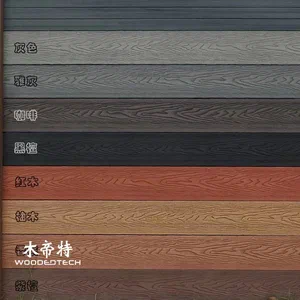 Innovative Applications of Wood Polymer: Transforming the Industrial Landscape in 2023
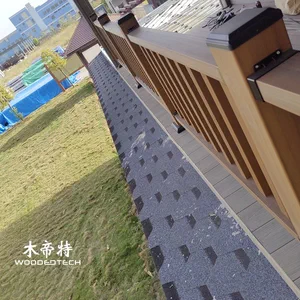 Choosing the Right Composite Deck Planks: A Comprehensive Guide for 2023
Related Products
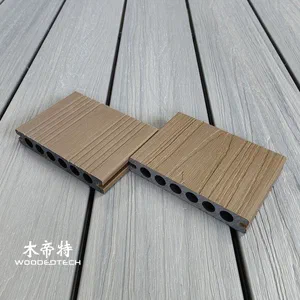 GD13823-3 Teak TK Co Extruded Decking Is a Popular Choice from Composite Decking Suppliers for Outdoor Flooring Projects
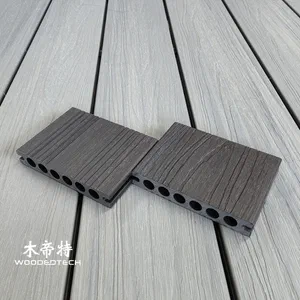 GD13823-3 Walnut WN Co Extruded Decking Features a Dark Rich Color That Helps Resist Visible Dirt and Stains
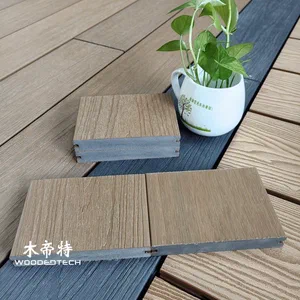 The GD14020S Composite Decking on Sale Features a Solid Core Structure Designed to Withstand Extreme Outdoor Temperature Changes and Freezing Conditions