
Understanding Composite Deck Pricing Per Square Foot: Key Factors for Businesses in 2024
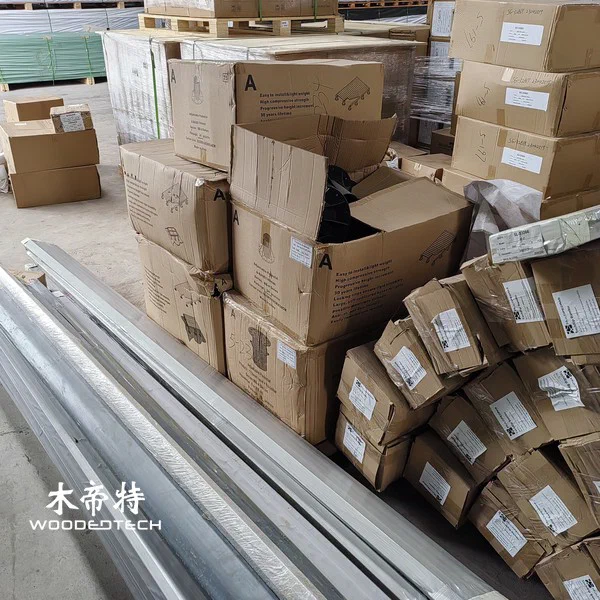
Professional manufacturers in the outdoor WPC industry, particularly those based in Guangdong, have developed systematic approaches to mass production that enhance efficiency, minimize costs, manage orders effectively, and ensure reliable delivery for international customers. This is particularly important as the demand for composite decking continues to grow, driven by its durability and aesthetic appeal.
Organizing Mass Production
To effectively organize mass production, manufacturers implement lean manufacturing principles and invest in advanced production technologies. Automation plays a crucial role in streamlining processes, from raw material handling to final product assembly. By integrating automated machinery and robotics, factories can achieve higher precision and consistency, reducing the potential for errors and waste. Additionally, a well-structured workflow is established, which facilitates smooth transitions between production stages, ensuring that all components are available when needed.
Improving Efficiency
Efficiency in production is not just about speed; it also involves optimizing resource use. Manufacturers conduct regular assessments of their processes to identify bottlenecks and areas for improvement. This may include adopting just-in-time inventory systems that reduce excess stock and associated holding costs. Implementing continuous improvement methodologies, such as Six Sigma, allows for ongoing refinement of production techniques. Training employees to be multi-skilled enhances flexibility, enabling the workforce to adapt quickly to changing demands or production schedules.
Controlling Production Costs
Cost control is essential for maintaining competitive pricing in the composite decking market. Manufacturers focus on sourcing high-quality, cost-effective materials to ensure that the final product meets quality standards without unnecessary expenses. Strategic partnerships with suppliers can lead to bulk purchasing discounts, further reducing costs. Additionally, energy efficiency measures reduce operational expenses. By investing in energy-saving equipment and optimizing energy use, factories can significantly cut down on utility bills, contributing to overall cost savings.
Managing Orders

Effective order management is crucial for meeting customer expectations and maintaining a smooth production flow. Manufacturers utilize sophisticated Enterprise Resource Planning (ERP) systems to track orders from initiation to fulfillment. This technology allows for real-time updates and visibility into production status, helping to anticipate delays and adjust schedules accordingly. Close collaboration with sales teams ensures that production aligns with customer demand, while also enabling proactive communication regarding order status and delivery timelines.
Ensuring Stable Delivery
Reliable delivery is a key factor in maintaining customer satisfaction, especially for international clients. Manufacturers establish robust logistics networks and work with experienced freight forwarders to manage shipping efficiently. This includes optimizing shipping routes and selecting the best transportation methods to minimize transit times. Additionally, maintaining adequate inventory levels of finished goods allows manufacturers to respond quickly to customer orders. Regular communication with clients regarding shipping schedules fosters trust and transparency, further solidifying business relationships.
By focusing on these core areas, manufacturers in the outdoor WPC sector not only enhance their production capabilities but also position themselves favorably in a competitive market. This meticulous approach to mass production and supply chain management ultimately leads to better pricing strategies, ensuring that customers receive quality products on time.
Related Articles
 Best Practices for Installing Composite Decking on Stairs: A Comprehensive Guide for 2023
 Understanding the Cost for Composite Deck Per Square Foot: A 2023 Guide for Contractors
 Decking Composite Pool Solutions Provide Safe and Attractive Surfaces Around Swimming Areas
 Composite wood deck sealer helps maintain the appearance and performance of outdoor decking
Related Products
 GD13820 M Shape Co Extruded Composite Deck Planks Feature a Special Profile Design for Distinctive Outdoor Decking Applications
 GD13823 Double Sided Flat Surface Co Extruded WPC Decking Features a Popular Width and Thickness with Round Hollow Structure
 GD13823-3 Composite Boards for Decking Are Available in Multiple Stock Colors with 3 Meter Lengths and Single Piece Delivery